Your guide to plants
Picking the right plant is mostly about picking the right plant for your space. Get the light right, be honest about how much attention you'll give it, and almost everything else takes care of itself.
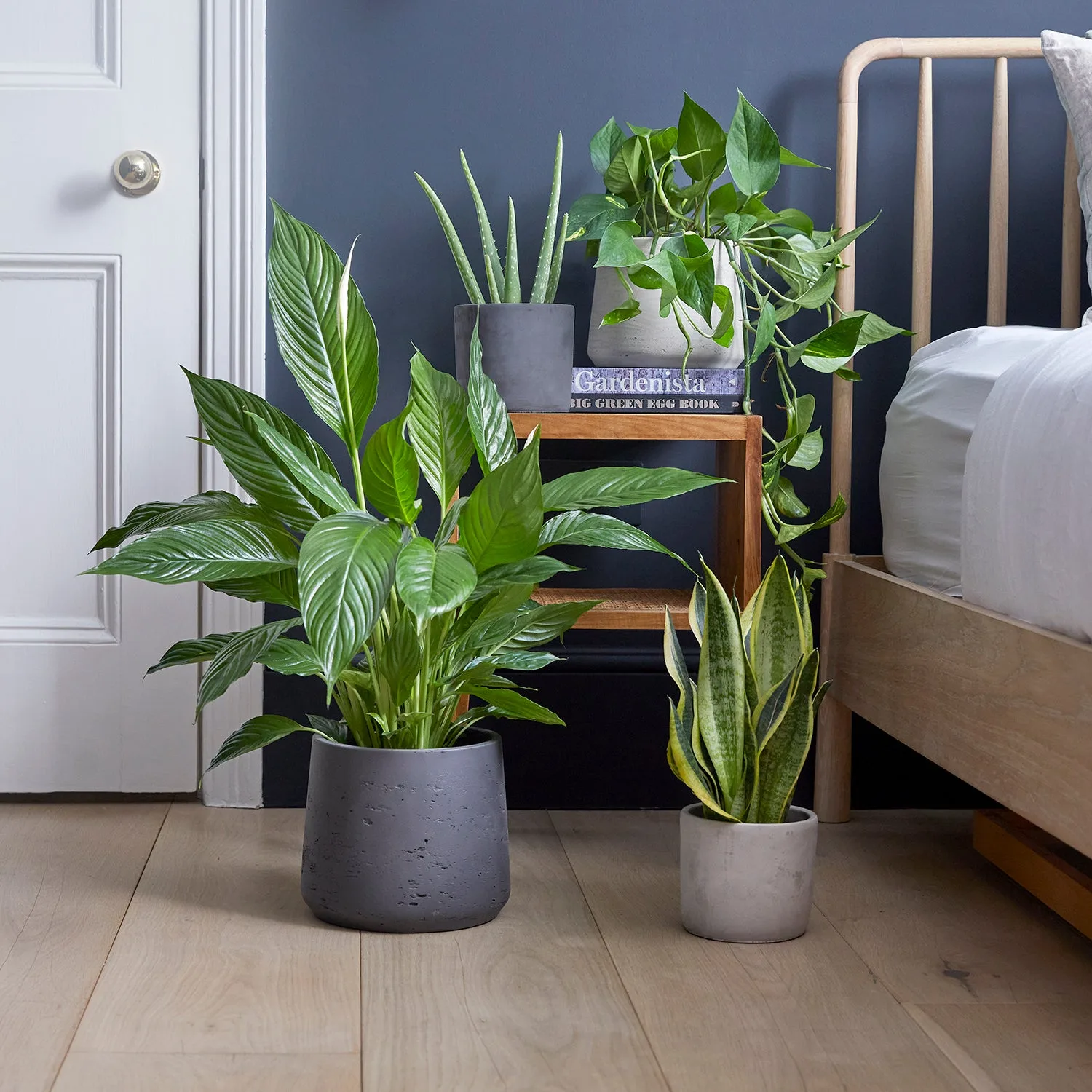
Start with your light
The one thing you can't change about your home is where the windows are, so it's the first thing to match. Stand where the plant will live and be honest about how bright it really is.

Shade
North-facing rooms, hallways and spots well away from a window.
Ferns, aspidistra and the true shade-lovers are happiest here.
Shop 51 plants →
Light & shade
Most rooms: near a window, but out of the harsh midday sun.
The biggest group in the range, and the hardest light level to get wrong.
Shop 256 plants →Bright light
Within a metre of a bright window, without direct midday rays.
Monsteras, palms and most leafy tropicals do their best growing here.
Shop 120 plants →
Direct sun
South-facing sills, sun-trap balconies and open patios.
Cacti, succulents, herbs and most outdoor plants soak it up.
Shop 211 plants →Rule of thumb: if you can comfortably read a book there at midday without a lamp, it's bright enough for most plants. Every plant's page says exactly which light it needs.
How much attention will you actually give it?
No judgement either way. Every plant is rated on the same four-step scale, so a serial plant-forgetter and a daily mister can both pick a winner.
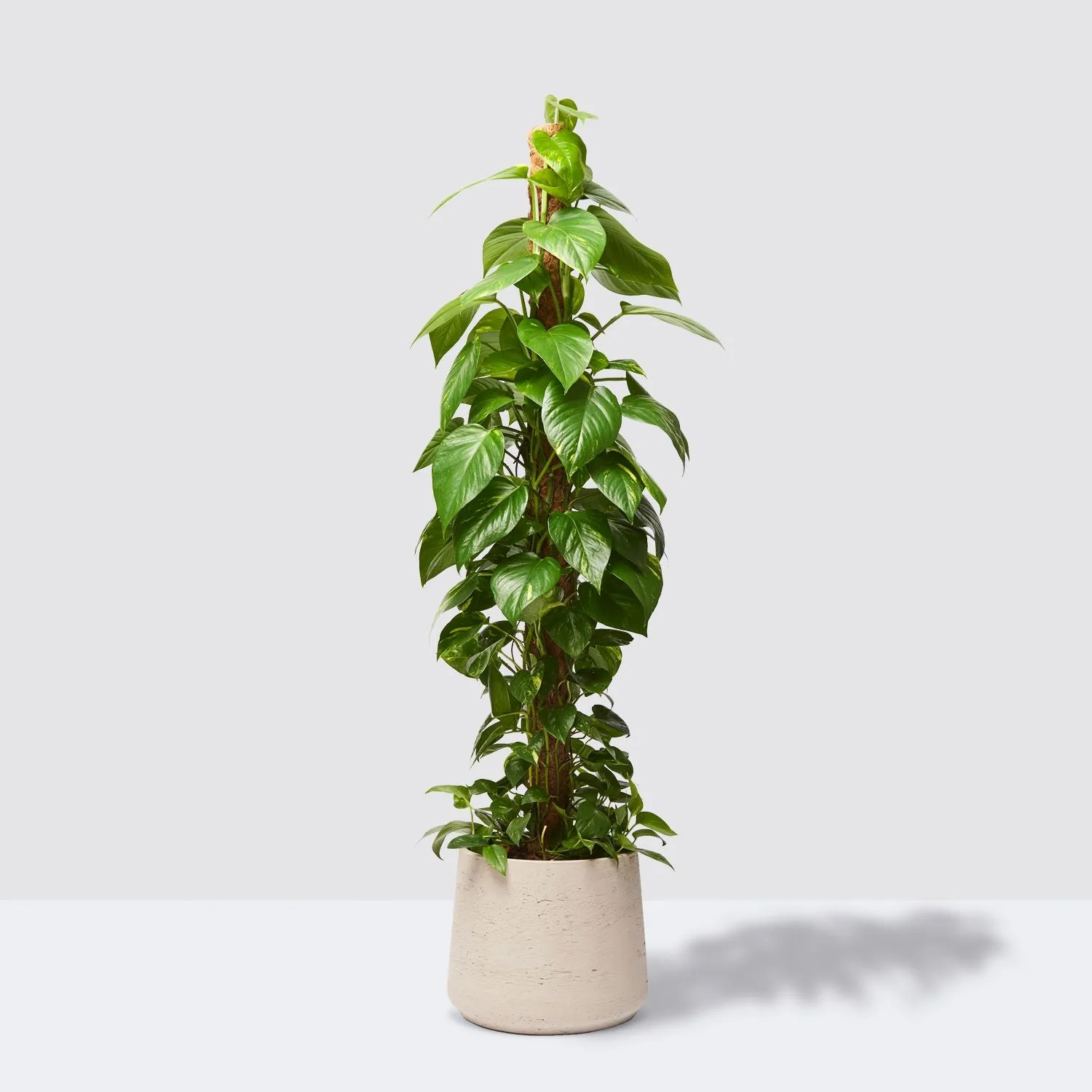
Almost unkillable
Forgets you exist and doesn’t hold a grudge. Devil’s ivy, ZZ plants and the cast-iron classics: water when you remember.
Shop 92 plants →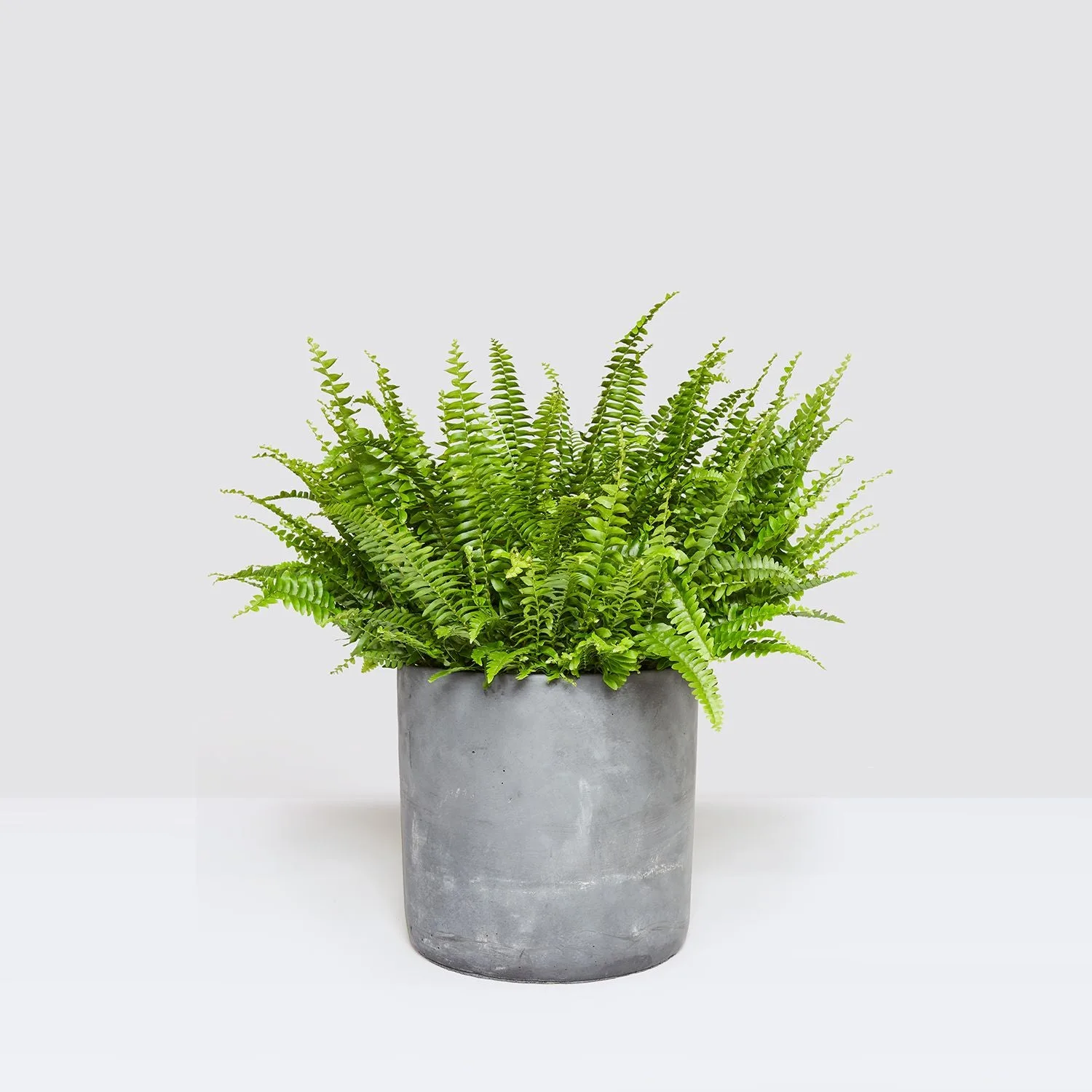
Easy care
A drink when the top of the soil dries out, the odd dust of the leaves. Most of the range lives here for a reason.
Shop 263 plants →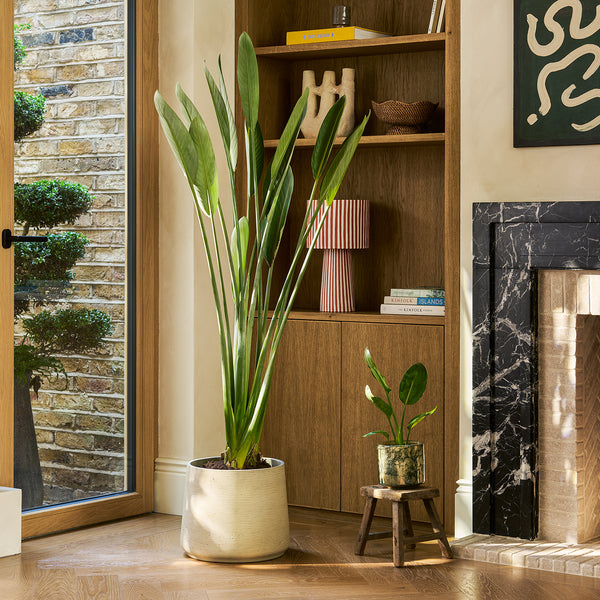
Needs some love
Likes a routine: steady water, a regular mist, food in summer. Rewarding if you enjoy the ritual.
Shop 48 plants →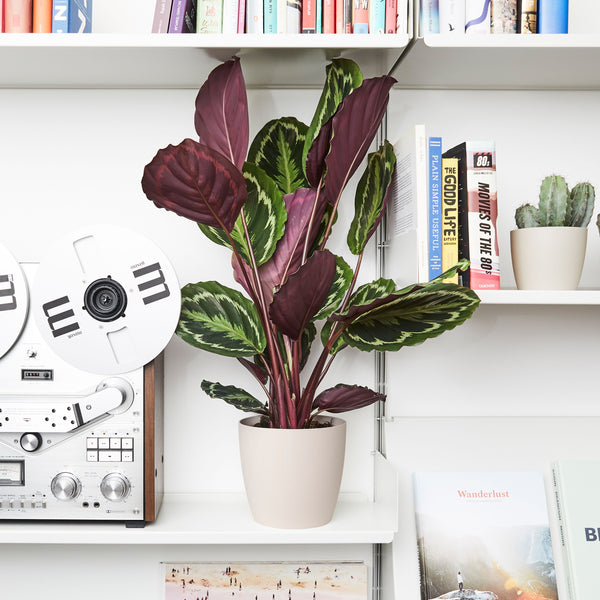
Super fussy
Calathea country. Strong opinions on humidity, draughts and tap water, best for plant parents who like a challenge.
Shop 6 plants →Watering, decoded
More houseplants are killed by kindness than neglect. There's no magic schedule, just one test, done weekly.
Do the finger test
Push a finger 2cm into the soil. Dry? Water it. Still damp? Leave it alone and check again in a few days.
Water it through
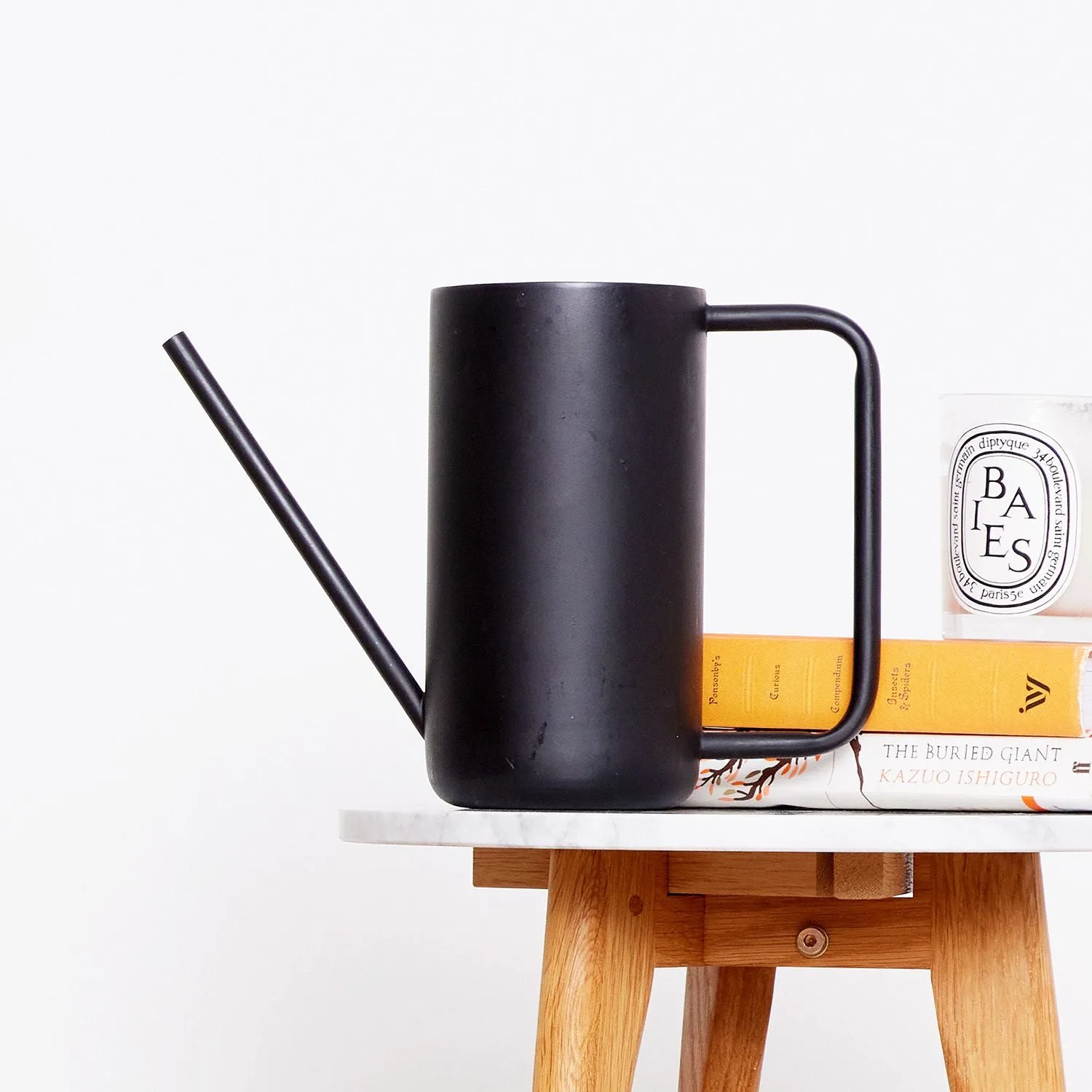
Lift the nursery pot to the sink and water until it runs from the holes in the base. Let it finish dripping, then pop it back in its pot.
Ease off in winter
Growth slows when the days shorten, so the soil stays wet for longer. Most plants want half the water they drink in summer.
Leaves gone yellow and droopy? That's almost always too much water, not too little. Let the soil dry right out before the next drink.
Sharing your home with pets or small people?
Cats and dogs rarely graze on houseplants for fun, but a bored kitten, a teething puppy or a curious toddler will test one, and a handful of favourites bite back. Lilies are the serious one: dangerous to cats even in tiny amounts, and best kept out of the house entirely if you have one. Devil's ivy, monstera, peace lily and philodendron are the common culprits behind mouth-burn, drooling and an upset stomach: unpleasant and worth a vet call, but rarely life-threatening.
You don't have to give up the greenery, though. Calatheas and prayer plants, spider plants, parlour palms, Boston ferns and most succulents are genuinely non-toxic. 139 plants in the range are certified child & pet safe, and every plant's page states its status plainly. Tick one filter and the risky ones vanish from view; for a plant you already love, a high shelf or a hanging pot keeps it well clear of paws and small hands.
Shop 139 pet-safe plants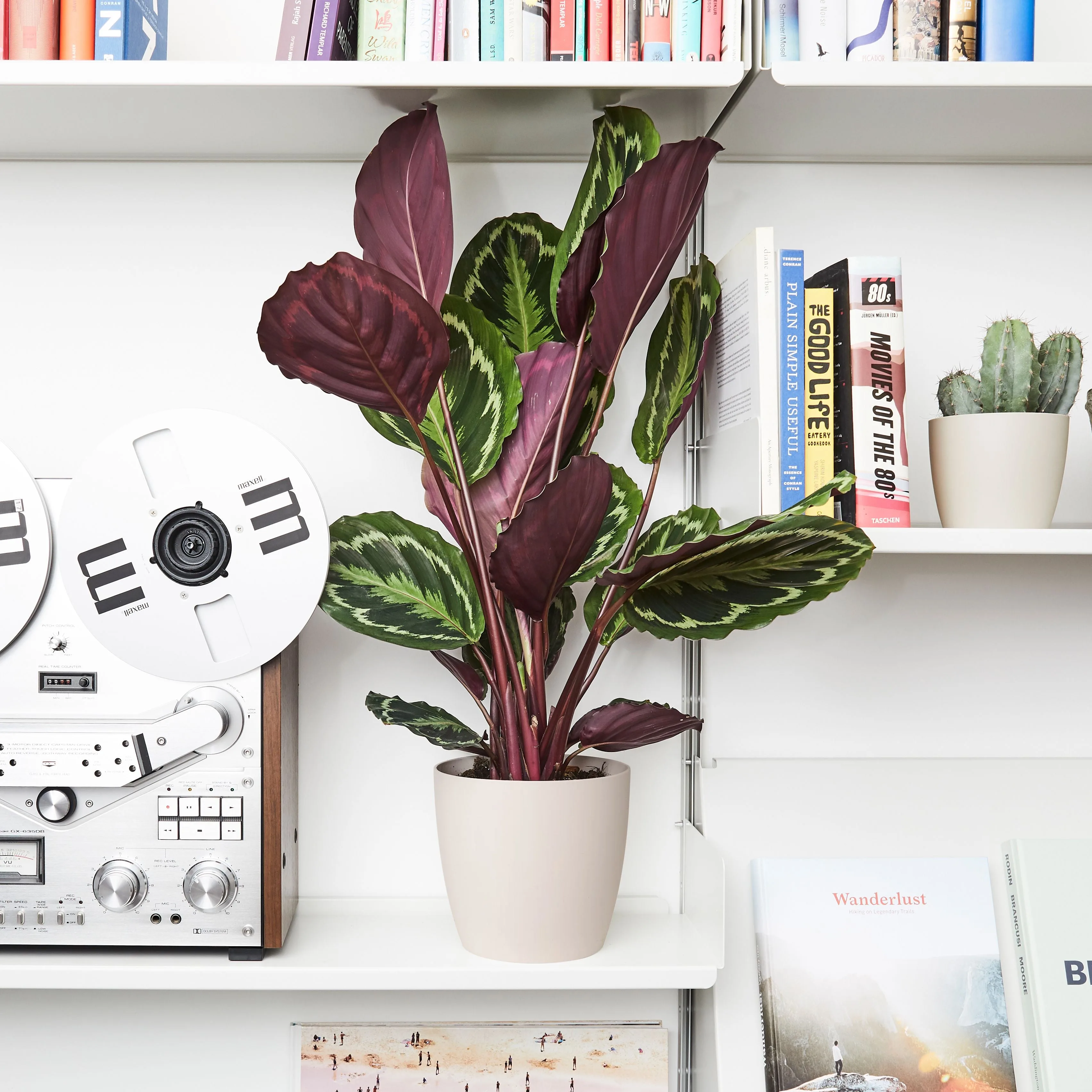
Get the size right
Plants read differently in a room than on a screen. Think about where it's going first, then check the height range on the plant's page against that spot.
Buying a statement plant? Big plants are heavy and hate being moved. Pick the spot before it arrives, and give tall ones room to spread away from radiators and draughty doors.
Houseplant FAQs
How often should I water?
There's no fixed schedule, since homes, seasons and pots all differ. Do the finger test once a week: water when the top 2cm of soil is dry, skip when it isn't. In winter, most plants want far less.
Which plants are hardest to kill?
Snake plants, ZZ plants, devil's ivy and aspidistra (literally nicknamed the cast-iron plant). They shrug off missed waterings and dark corners.
Why are the leaves turning yellow or brown?
Yellow, soft leaves usually mean overwatering, so let the soil dry out fully. Crispy brown tips usually mean dry air or direct sun: move it back from the window and mist tropical plants every few days.
Do I need to feed or repot it?
Not at first. Your plant arrives in a nursery pot it's happy in for a year or more, and the soil holds enough food for months. From spring to summer, a monthly feed keeps it growing.
Ready to meet your match?
Filter all 391 plants by light, care level, pet-safety and size, side by side.
Prefer to be told? Take the 30-second plant quiz →