Houseplant Parenting Course

Sixteen bite-size videos that take you from "which plant?" to confident plant parent: light, watering, pet-safety, soil, pruning, bugs, repotting and propagation. Watch in order or jump straight to the problem in front of you.

How do I pick the right indoor plants?

Every houseplant evolved somewhere specific: a shaded forest floor, a humid rainforest canopy, a bone-dry desert. The closer your room gets to that home climate, the less work the plant asks of you. The two things that matter most are light and water, so before you fall for a plant, stand in the spot you want to fill and judge it honestly.

You don't need to memorise habitats. The filters on our shop do it for you: light level, size, care level and pet-safety, side by side. Our guide to plants walks the same decisions at a gentler pace.

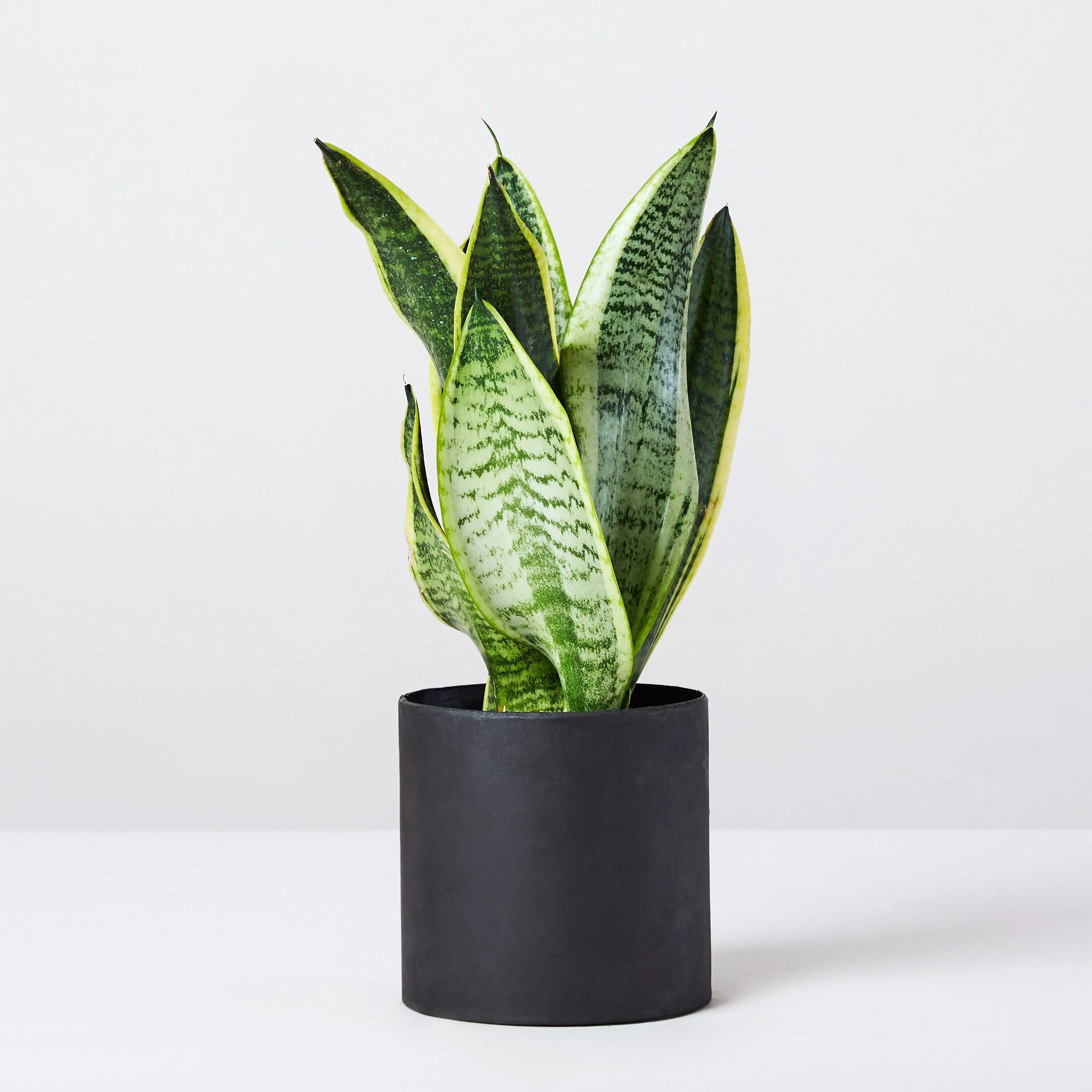
And if this is your first plant, stack the odds: start with something from the almost-unkillable collection and earn your confidence before you adopt a diva.

Check your knowledge

4 quick questions to lock in what you just watched.

How much should I water my plant?

There's no universal watering schedule, and anyone selling you one is guessing. What works is a weekly check: push a finger a couple of centimetres into the soil. Dry? Water. Still damp? Walk away. A desert native can go weeks between drinks; a rainforest plant expects them regularly, and each plant's page tells you which camp it's in.

When you do water, do it properly. Keep the plant in its nursery pot (the plastic one with drainage holes it arrives in), carry it to the sink, and water until it runs clear out of the bottom. Let it finish dripping, then return it to its decorative pot. A plant left standing in water will rot, which is why overwatering kills more houseplants than neglect ever does. Yellow, drooping leaves mean too much water; dry, crispy brown ones mean too little.

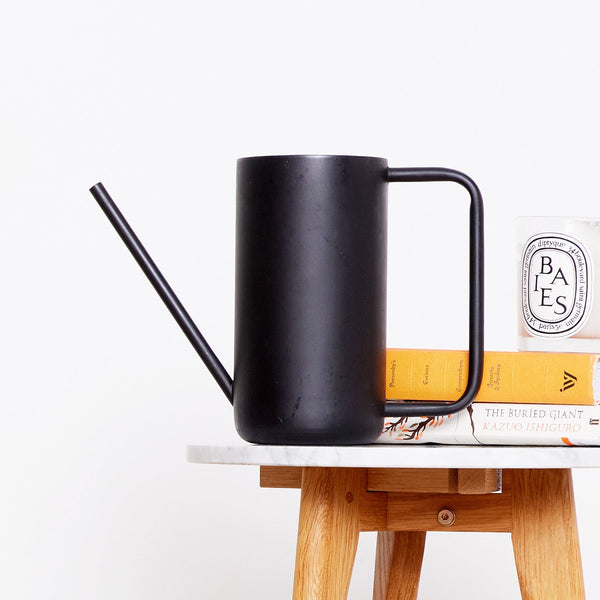
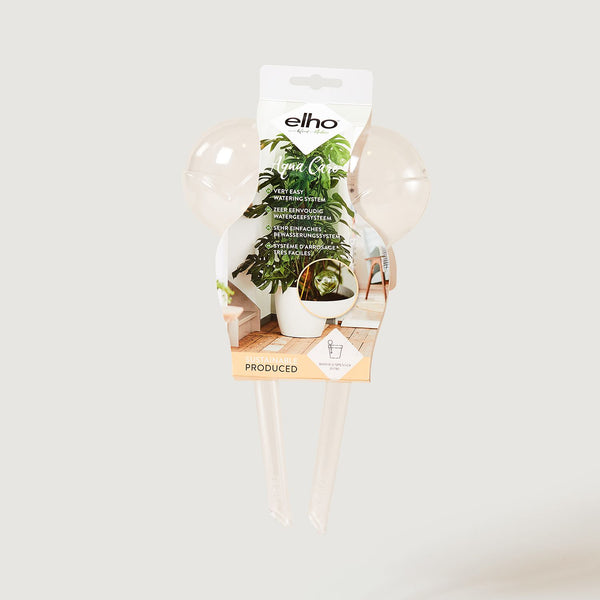
Going away? A water dispenser drips moisture in slowly while you're gone, and a damp cloth with one end in the soil and the other in a glass of water makes a decent DIY wick for small plants. Best of all: a neighbour armed with the finger test.

Check your knowledge

6 quick questions to lock in what you just watched.

How much light does my plant need?

No houseplant lives happily in the dark; even the toughest shade-lovers need some natural light to make their food. What varies wildly is how much, and the two things that decide it are which way your window faces and how far from it the plant sits.

South-facing windows are the bright end of the scale, north-facing rooms the shady end, and light falls away fast with every metre you move into the room. A "bright" spot two metres from the window is dimmer than it looks to your eyes. Our four light levels, shade, light & shade, bright light and direct sun, run through exactly this on every plant's page.

Your plant will tell you when it's unhappy. Leaning and stretching toward the window, drooping, or dropping leaves means it wants more light; scorched, bleached patches mean the midday sun is too fierce. Move it and watch it respond, most plants forgive a house move within a couple of weeks.

Check your knowledge

6 quick questions to lock in what you just watched.

Are my plants harmful if my pets or kids eat them?

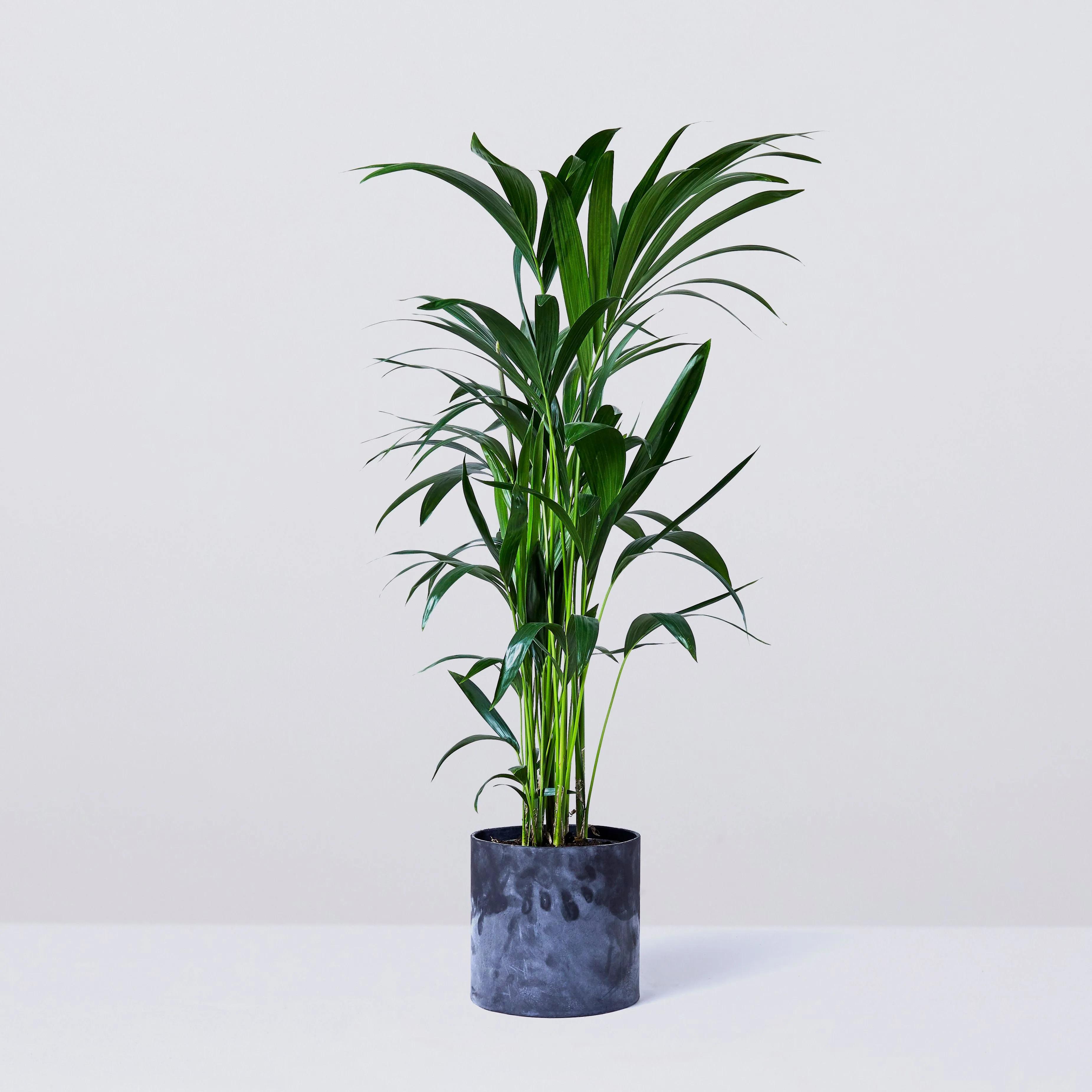
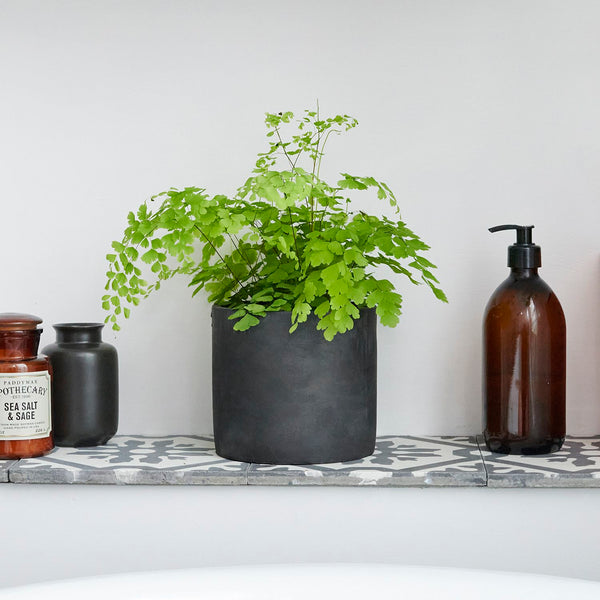
Some houseplants are best not eaten, and if you live with a curious cat, dog or toddler you have to assume something will eventually get chewed. The fix is simple: check before you buy. Every plant's page carries a clear child & pet safe label, and the pet-safe filter shows only the certified-harmless ones, kentia palms, calatheas and maidenhair ferns among them.

We've covered which plants to actually worry about, and how worried to be, in the pets section of our plant guide. The short version: most "toxic" houseplants cause an unpleasant mouth and stomach rather than an emergency, but lilies and cats are a genuinely dangerous combination.

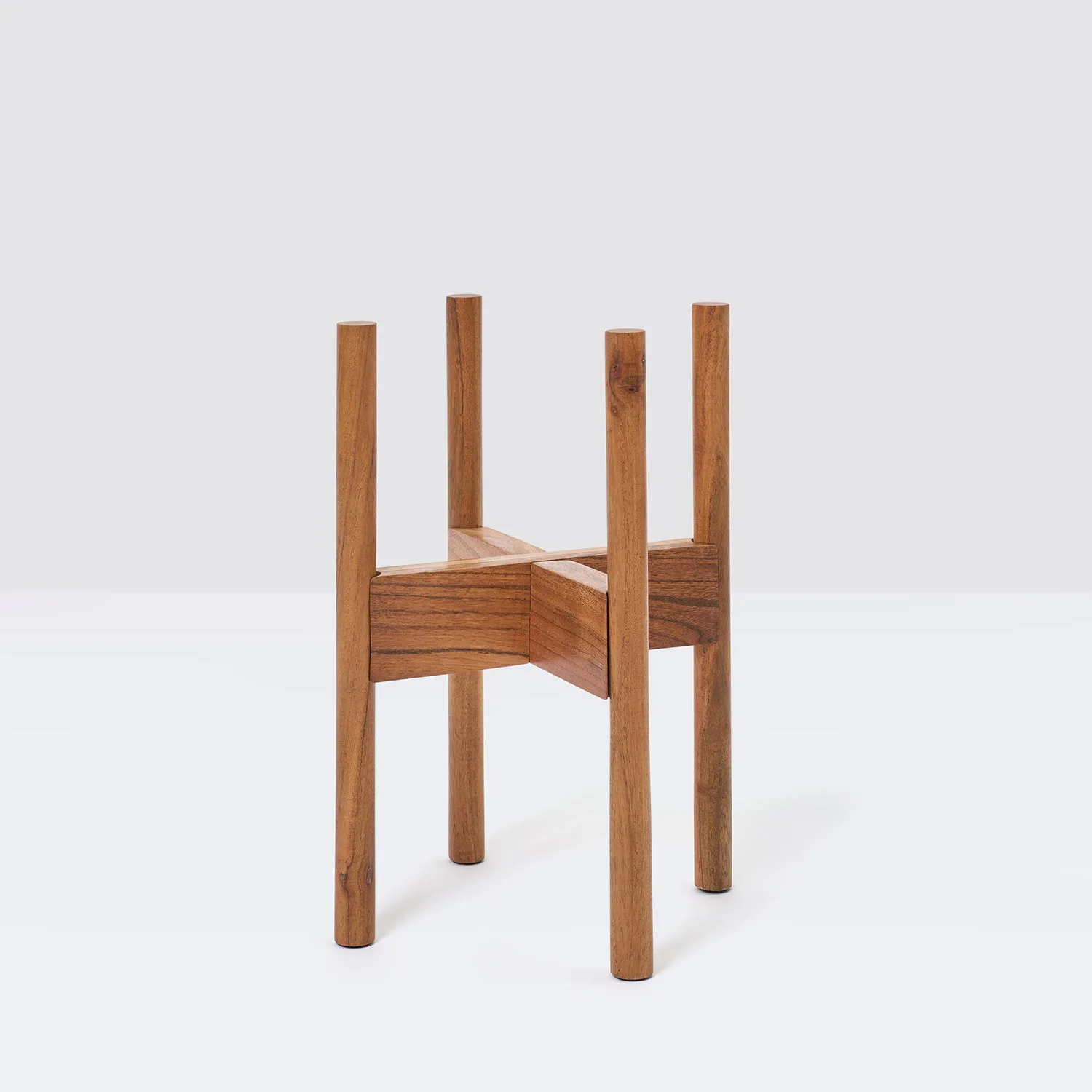
Already own something spicier? You don't have to rehome it. A high shelf, a hanging pot or a plant stand puts it out of reach of paws and small hands.

Check your knowledge

3 quick questions to lock in what you just watched.

Do I need to clean my plant?

Yes, and it takes two minutes. A layer of dust blocks the light a leaf can absorb and clogs the tiny pores it breathes through, so a dusty plant is a slower, hungrier plant. Once a month or so, wipe the leaves with a damp cloth; fuzzy-leaved plants prefer a soft brush.

Cleaning is also your best health check. While you're up close, look for anything off: yellowing leaves, brown tips, sticky residue, webs. Dead or fully brown leaves can be gently removed, and brown tips trimmed with clean scissors without cutting into healthy tissue.

Got a plant with a hundred leaves and better things to do? Put the whole thing in the shower. Tepid water, gentle pressure, hold the head well back, big leafy types like a Swiss cheese plant or kentia palm come out gleaming.

Check your knowledge

5 quick questions to lock in what you just watched.

How do I make sure the humidity is right?

A lot of favourite houseplants are tropical, and the average UK living room is far drier than a rainforest. You don't need to recreate the Amazon, just nudge the air around the plant in the right direction.

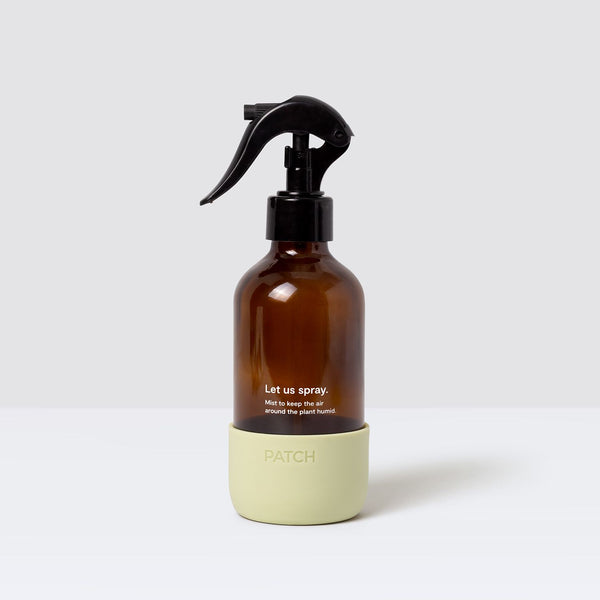
The easy wins: put humidity-lovers in the bathroom or kitchen, where the air is naturally damper; give them a regular once-over with a mister; and group plants together, they raise each other's humidity as they transpire, making their own microclimate.

For a set-and-forget option, stand the pot on a tray of pebbles half-filled with water, keeping the pot above the waterline, and refresh the water so it doesn't stagnate. And if you've become the kind of person with strong opinions about calatheas, a humidifier keeps both your plants and your skin happy.

Check your knowledge

4 quick questions to lock in what you just watched.

What about soil and fertiliser?

In the wild, soil is constantly topped up by the world around it. In a pot, your plant only gets what you give it. That's all fertiliser is: replacing the nutrients a closed pot can't replenish on its own.

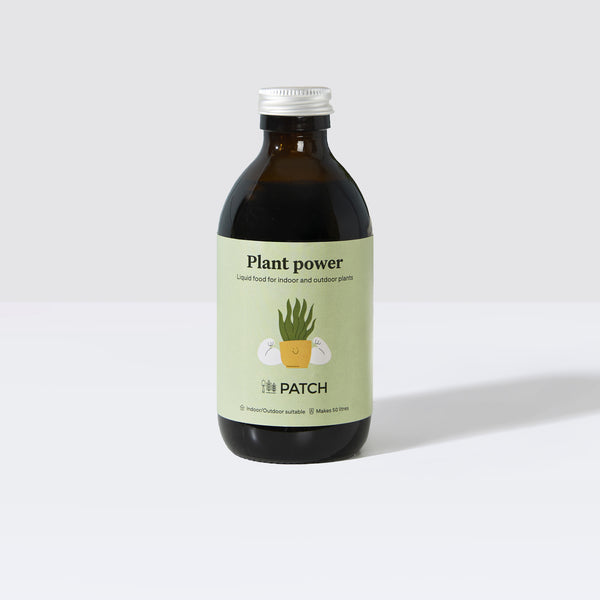
The routine is easy. Feed during the growing season, spring and summer, at the rate your plant's page suggests, then stop over autumn and winter while growth slows. More food isn't more love; overfeeding does real damage.

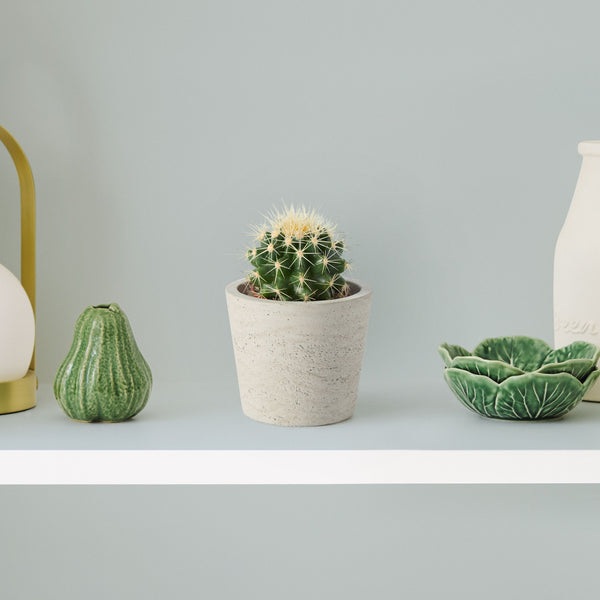
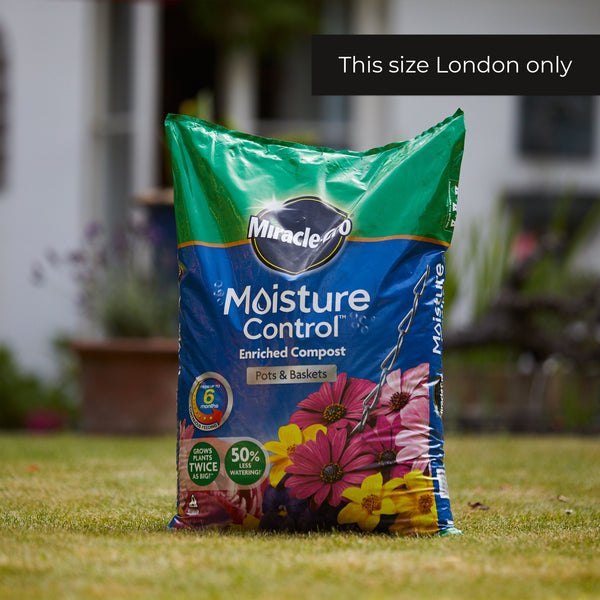
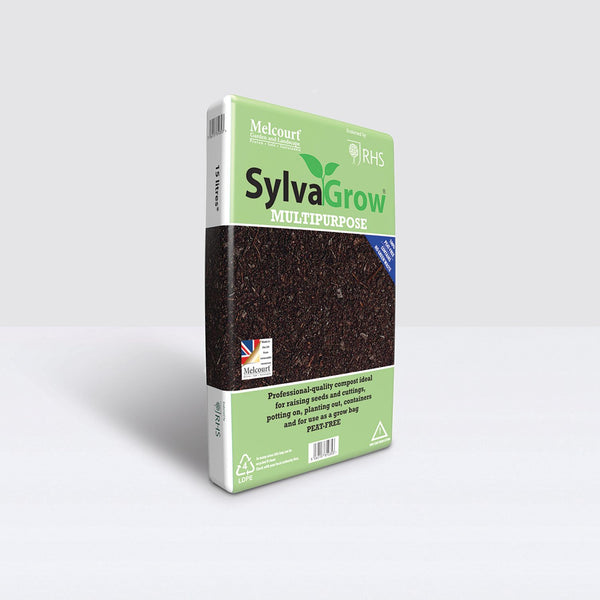
Soil is even simpler: nearly everything we sell is happy in a multipurpose compost. The exceptions are cacti and succulents, which want a gritty, fast-draining mix. Either way your plant arrives potted in the right soil, so this only matters when you repot, which we cover in lesson 13.

Check your knowledge

5 quick questions to lock in what you just watched.

Should I trim — or 'prune' — my plant?

Pruning sounds like an expert's job; it's really just taking away what the plant no longer needs. Dead, damaged or scraggly growth costs energy to maintain, and removing it redirects that energy into fresh leaves. A pruned plant grows back fuller.

Flowering plants earn a bonus round called deadheading: pinch or snip off spent flowers and the plant will usually reward you with more of them, rather than wasting effort on blooms that are already finished.

Brown leaf tips aren't automatically a crisis. On some plants they're just life; trim the brown part off with clean scissors and stop before healthy tissue. A fully brown leaf won't recover, take it off at the base. If tips keep browning, treat it as a hint: check the plant's page and review water, light and humidity.

Check your knowledge

5 quick questions to lock in what you just watched.

Does my plant have bugs?

Webs between stems, sticky patches, little bumps or spots that weren't there last week: classic signs of uninvited guests. First move, always: quarantine. Move the plant away from the rest of your collection so nothing spreads while you work out who you're dealing with.

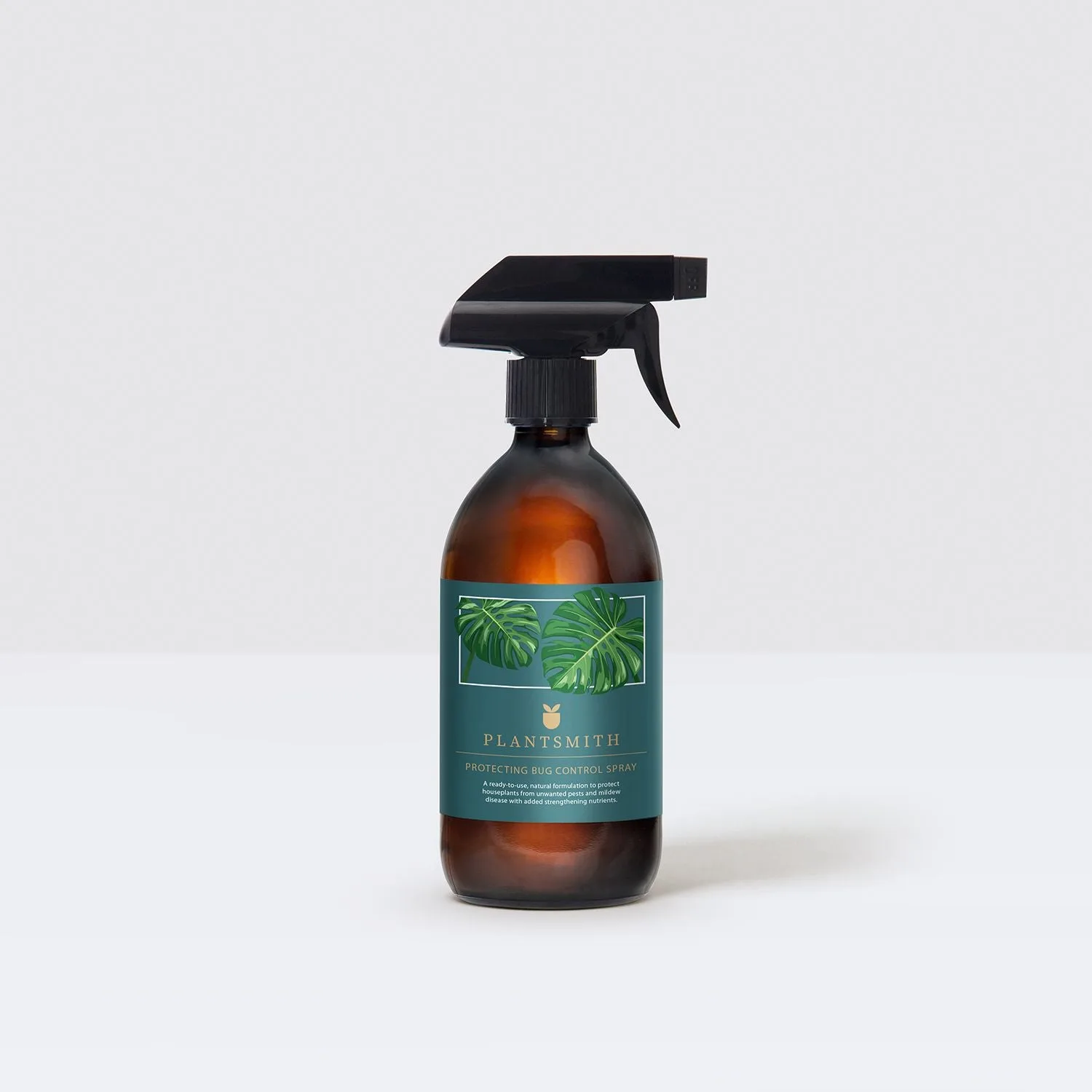
Then wipe the leaves to clear off what you can (houseplant bugs won't hurt you) and treat based on the culprit. A natural bug control spray handles the common ones, and lesson 16 covers a DIY version if you'd rather mix your own.

Soil surprises are usually less scary than they look. White mould on the surface is generally harmless, but it's a broad hint that the soil is staying too wet: scrape it off and let things dry out properly between waterings (the finger test again). Mushrooms mean the same thing; remove them, replace the top few centimetres of soil, and, however tempting, don't eat them.

Check your knowledge

5 quick questions to lock in what you just watched.

Should I change how I look after my plant during winter?

Your home changes in winter, and your plants notice. The heating comes on, the days shrink, and cold air sneaks through every gap. A few small moves in November save a lot of rescue work in February.

Keep plants away from radiators, which bake their soil dry, and out of cold draughts from leaky windows and busy doors; a blast of freezing air can do serious damage in minutes. Underfloor heating quietly cooks roots from below, a plant stand lifts them out of trouble. And avoid dramatic swings: if the heating goes off while you're away, gather your plants in the warmest room first.

With less daylight on offer, shuffle plants closer to windows and keep their leaves dust-free so they catch every ray going. Growth slows right down in the dark months, some plants go fully dormant, so they drink far less: water less often and pause the feeding until spring wakes everything up again.

Check your knowledge

5 quick questions to lock in what you just watched.

Why are my plant's leaves falling off?

First, don't panic: some leaf drop is just life. Plenty of plants shed a few leaves in winter to run leaner through the dark months, and some shed a little all year round. Check your plant's page to learn what "normal" looks like for it before assuming the worst.

The most common innocent cause is a house move. A newly delivered plant, or one you've shifted to a new spot, will often drop a few leaves while it adjusts to different light and temperature. If the rest of the plant looks healthy, give it a couple of weeks to settle rather than reacting to every fallen leaf.

Persistent shedding is a message. Falling light levels make a plant downsize its foliage; move it closer to a window. Roots circling out of the drainage holes mean it's outgrown its pot and can't support new growth, time for a repot. And water, both directions, is the classic: yellowing, mushy leaves dropping from the bottom up point to overwatering, while dry, crispy casualties mean it's parched. The finger test settles the argument.

Check your knowledge

5 quick questions to lock in what you just watched.

Why are there different types of soil?

Outdoors, soil is a living system that renews itself. In a pot it's a fixed supply, which is why potting soil, also sold as potting mix or compost, is blended for the job: a loam base of sand, clay and organic matter that holds moisture without drowning roots. Different plants want different blends; desert natives like cacti and succulents need a sandier, sharper-draining mix than jungle plants.

In practice, you rarely have to think about it: everything we sell except cacti and succulents thrives in multipurpose compost. Two rules, though. Never top up pots with soil from the garden, it can carry bugs and disease indoors. And expect to replace potting soil every year or two: it gradually breaks down and compacts around the roots, squeezing out air and blocking drainage.

One more thing worth knowing: many potting soils still contain peat, which takes centuries to form and does nothing your plants can't get elsewhere. We don't recommend it, peat-free alternatives are excellent now.

Check your knowledge

5 quick questions to lock in what you just watched.

Should I re-pot my plant?

Not as often as you'd think. Most houseplants actively like a snug pot, and yours arrives in a nursery pot it'll be happy in for a year or more. The tell-tale that it's outgrown home: lots of roots (not one or two) escaping through the drainage holes, or circling the soil surface.

When it's time, repot in spring, just before the main growing push, and go up only one size. A small plant swimming in a huge pot sits in wet soil it can't use, which is a shortcut to root rot. Tip the plant out gently, loosen the roots with your fingers, and settle it into the new pot on a bed of fresh compost so the top of the root ball sits a centimetre or two below the rim. Backfill, water well, done.

For the week after, treat it like a patient: softer light, easy on the water, and no surprise. A little sulking is normal. And if you like your plant exactly the size it is, repot into the same pot with fresh soil, trimming an inch off the roots with clean scissors first, growth slows, plant stays happy.

Every repot is also an excuse for a better-looking pot. We won't pretend otherwise: the pots are here.

Check your knowledge

6 quick questions to lock in what you just watched.

How do I propagate my plant?

Propagation is free plants. You grow new ones from the plant you already own, and spring or summer, when growth is in full swing, is the time to try. There are three main routes, and which one works depends on the plant.

Cuttings clone a plant from a piece of it. Snip a stem a few centimetres below a node (where leaf meets stem) with clean, sharp scissors, and stand it straight in a rooting medium, a light mix made for the job; ordinary compost is too rich for babies. Mist it, cover stem cuttings to keep humidity up, and be patient: roots take weeks to months. Succulent leaves are the exception, let the cut end dry into a callus for a couple of days first. Watch it done in our cuttings video.

Division suits plants that grow in clumps or send up separate stems: tip the plant out, tease the root ball apart into sections, and pot each one up as its own plant. It's messy, glorious work, lay newspaper. Offsets are the easiest of all: some plants grow miniature versions of themselves at their base. Wait until an offset can clearly survive alone, then separate and pot it, here's how.

Check your knowledge

7 quick questions to lock in what you just watched.

How can I control the shape or direction that my plant grows?

Plants grow where they like, unless you give them a better idea. Tall growers can be held at the height you want: pick your ceiling, cut back to it now and then, and the plant responds by branching, growing fuller and wider instead of taller.

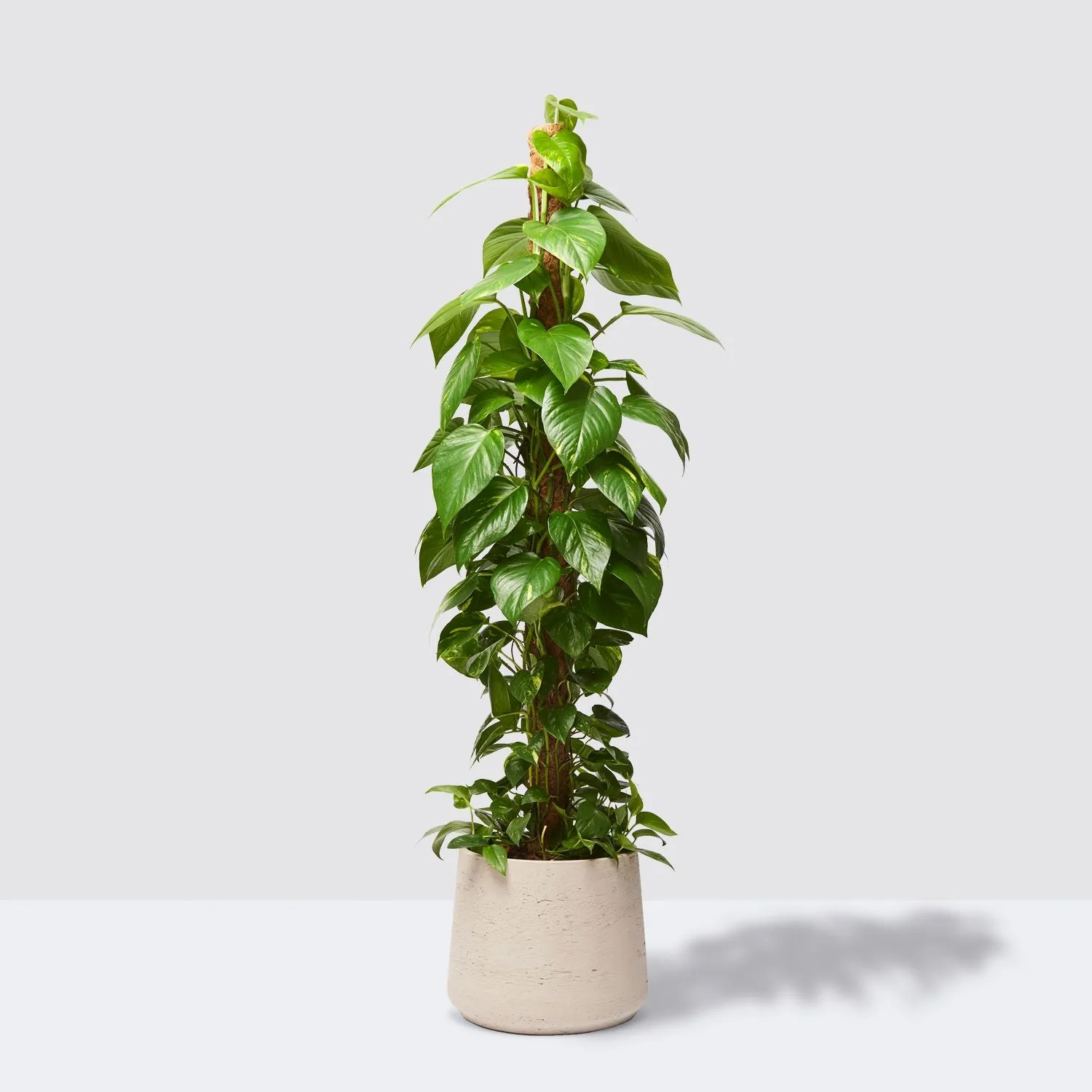
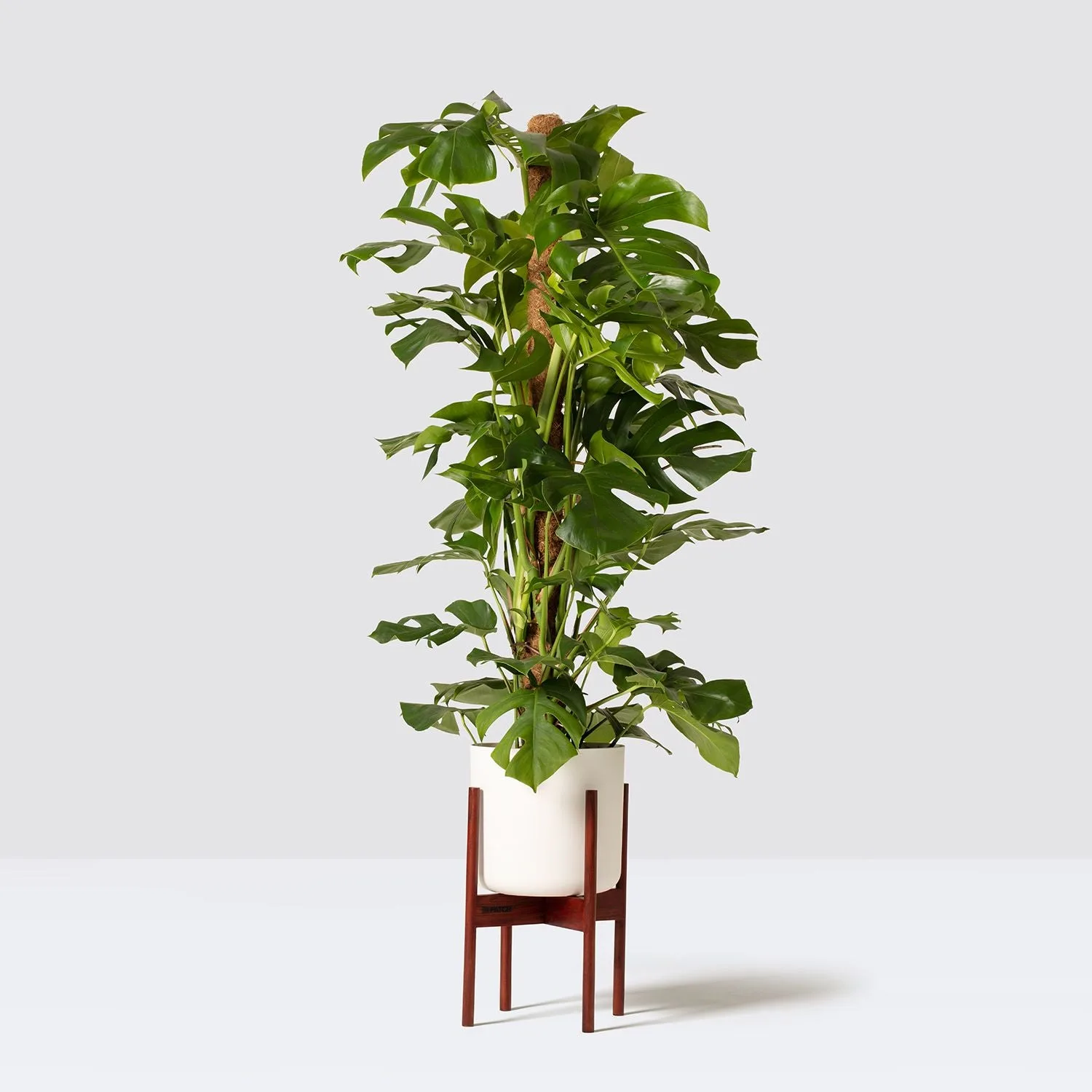
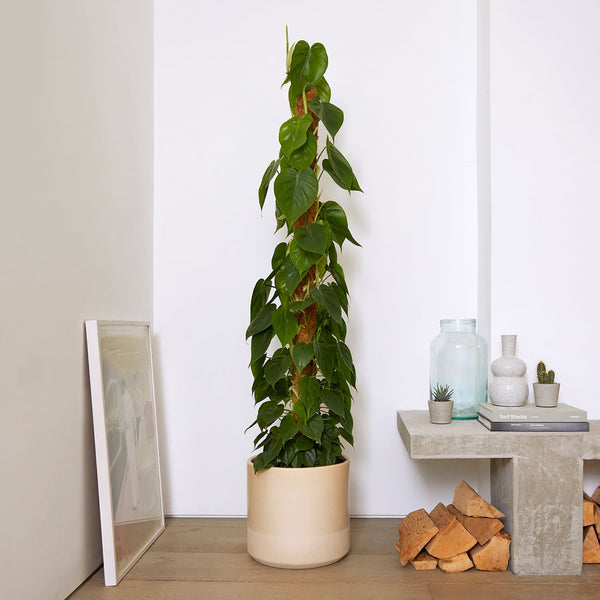
Trailers like devil's ivy are natural wanderers; guide the tendrils along a wall with picture hooks, wire or string and they'll turn a corner of your room into a green archway. Upright climbers, Swiss cheese plants and philodendrons especially, want something sturdy to climb: a grow pole, bamboo canes or a small trellis.

Tie new growth loosely to the support at first; after a while the plant grips on by itself. Keep the ties slack enough that stems have room to thicken, a tie that was snug in spring can be strangling by autumn.

Check your knowledge

4 quick questions to lock in what you just watched.

How to make natural pesticide, fungicide and fertiliser

Before you mix anything, be sure what you're treating. Spraying the wrong cure at the wrong problem does more harm than good, so if you're not certain, ask the Plant Doctor first, it's free.

Diagnosis in hand, the kitchen has you covered. A teaspoon of mild liquid soap in a litre of water, sprayed on the leaves, deals with most common houseplant pests without bringing harsh chemicals into a home you share with pets or kids. Add a teaspoon of bicarbonate of soda and the same bottle doubles as a fungicide. Some plant parents swear by a chilli-powder version to repel insects; think of it as a deterrent rather than a cure.

Homemade fertiliser is a deeper rabbit hole. Shop-bought feed works perfectly well, though it's salty stuff, over time salts build up in the soil (that white crust that looks like mould) and hurry along the next repot. Natural mixes feed the soil life instead of the plant directly; if you go that way, you're aiming to supply nitrogen, phosphorus and potassium. Or keep it simple with a ready-made feed used sparingly, exactly as lesson 7 taught you.

That's the course. Sixteen lessons in, you know more than most plant shops. Go put it to work, and if a plant still manages to confuse you, the Plant Doctor is right there.

Check your knowledge

5 quick questions to lock in what you just watched.