Urban Gardening Course

Thirteen short videos that turn a balcony, doorstep or roof terrace into a thriving container garden: picking plants, pots, potting up, light, water, weather, feeding, pests, herbs and growing your own from seed. Watch in order or jump straight to whatever your garden needs today.

How do I pick the right plants for my container garden?

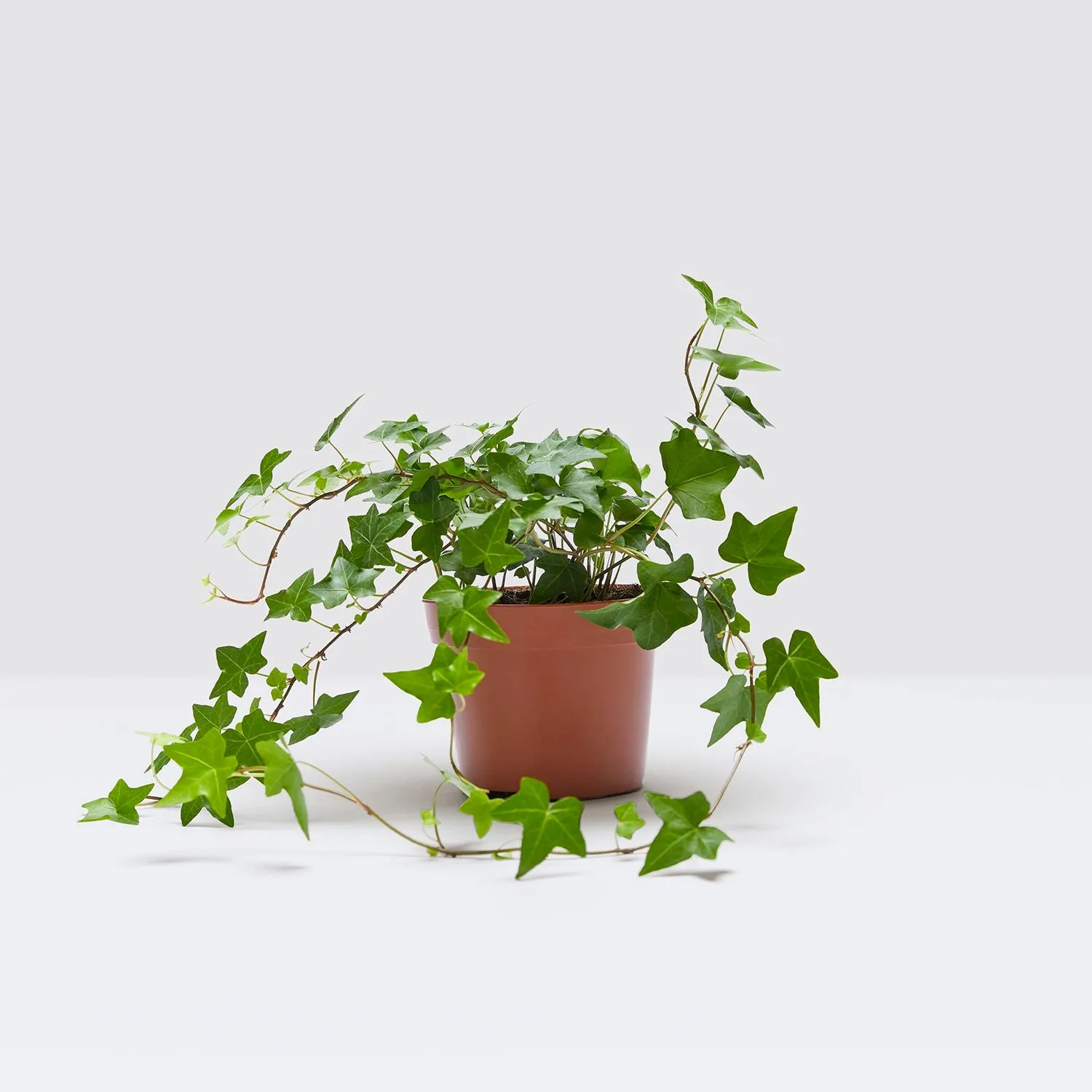
Choosing plants for an outdoor space can feel daunting, but it comes down to one honest question: which natural environment does my space most closely match? Some plants want all-day sun, others sulk anywhere but shade; some shrug off wind, others shred in it. Pick plants that suit the conditions you actually have and they'll do most of the work themselves.

Outdoor plants also live by the seasons far more than houseplants do — many flower for just a couple of months, or drop their leaves entirely over winter. So it's worth knowing what you're signing up for. Annuals grow, flower and die within a year. Biennials take two. Perennials return year after year. Evergreens hold their leaves all year but rarely put on a big flower show, while seasonal plants do their thing for a few months and rest.

Most gardens look best with a bit of everything: reliable evergreens for year-round structure, perennials and seasonals for their moments of glory, and a few annuals to shake things up each spring. Browse all our outdoor plants and use the sun, shade and pet-safe filters to narrow it to your space.

Check your knowledge

6 quick questions to lock in what you just watched.
How do I choose the right pots and planters?

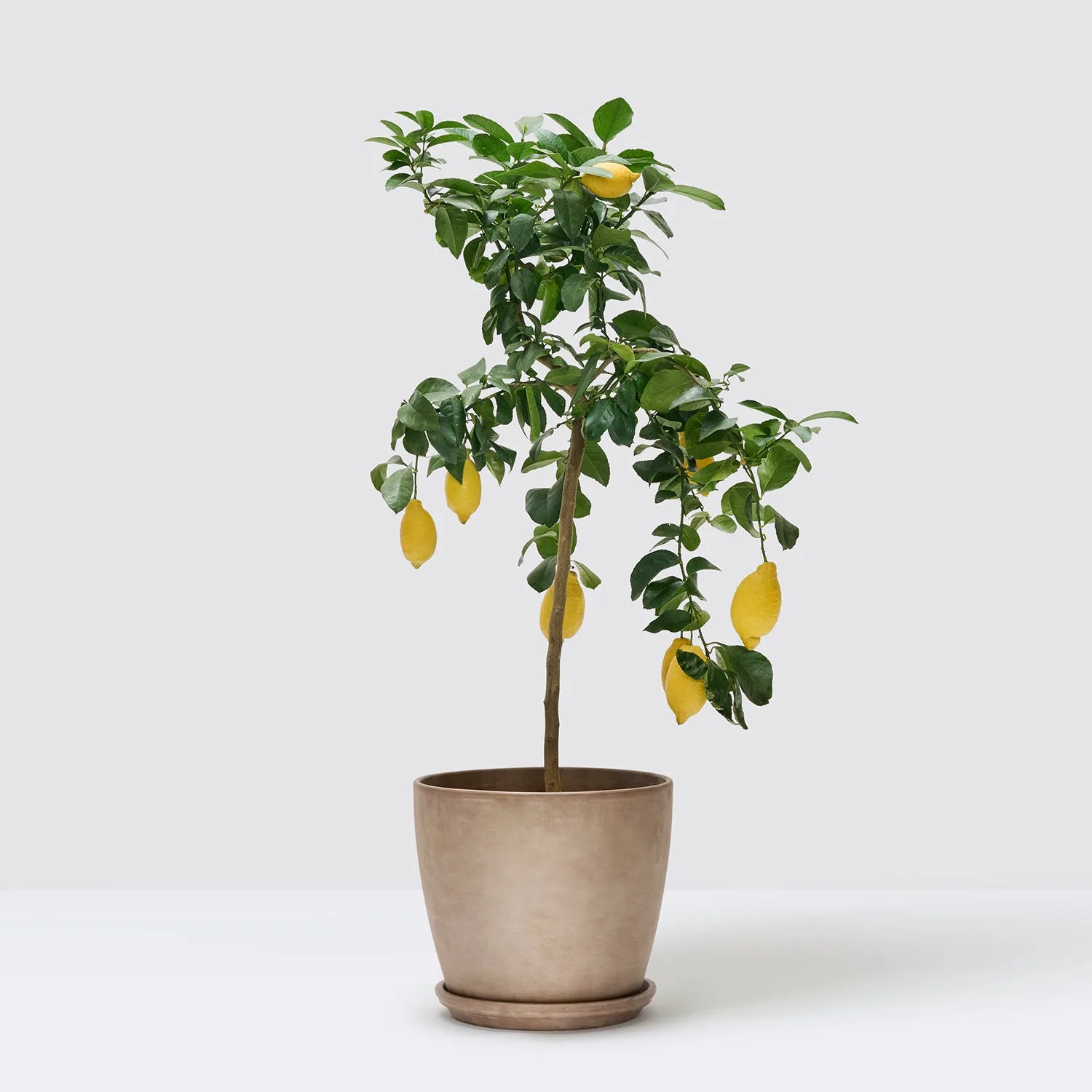
Once you've chosen your plants, they need the right home. Start with drainage — every outdoor container needs holes in the bottom so excess water can escape. Without them the roots sit waterlogged and rot, which is fatal. If a pot you love has no holes, drill some.

Next, weight. Container, soil, plant and water together get heavy fast — if you're planting on a balcony, windowsill or rooftop, make sure it can take the load, and put anything you'll move often on wheels. At the same time the pot needs enough heft to counterbalance a top-heavy plant or stand firm in a windy spot.

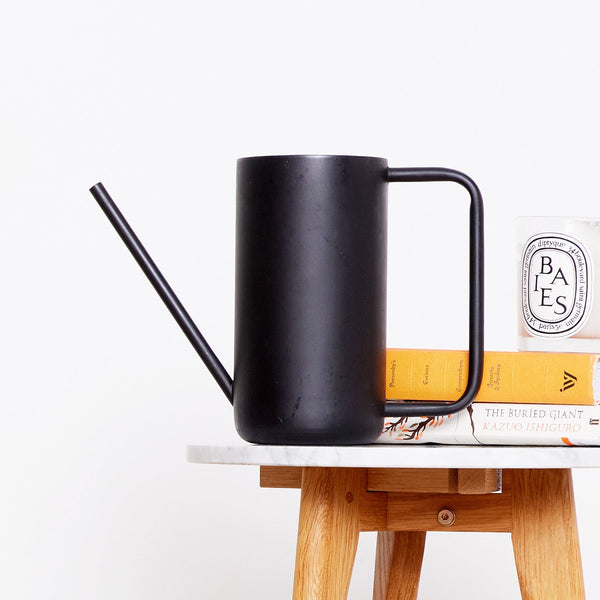
Then material. Unglazed terracotta is porous — lovely airflow around the roots, but the soil dries faster and the pot can crack in frost. Metal looks smart but bakes roots in summer. Plastic and fibreglass are the lightweight, frost-proof all-rounders balcony gardeners love. Wood is handsome but rots over a few years, and stone is beautiful, stable and very heavy. Browse outdoor pots or read our guide to pots.

Staying out all winter? Choose something frost-proof — glazed terracotta, plastic, fibreglass or stone — so a cold snap doesn't crack it.

Check your knowledge

6 quick questions to lock in what you just watched.
How do I pot up an outdoor plant?

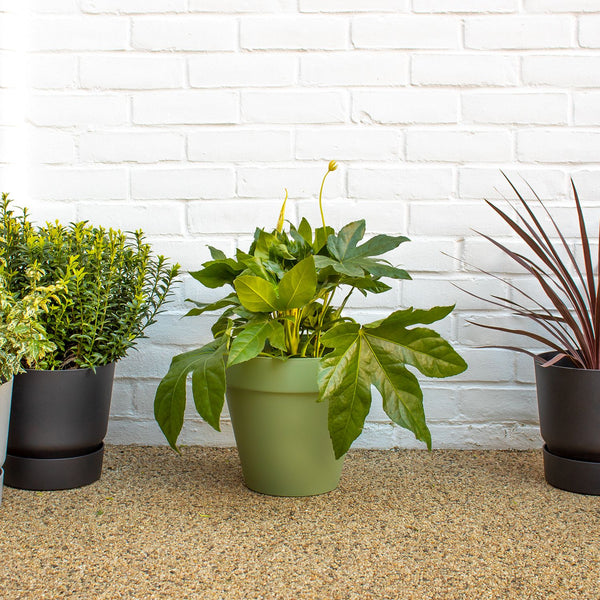
As an urban gardener you'll get familiar with potting up fast — pots are how a patio or roof terrace becomes a garden, and the bonus is you take your plants with you when you move. Containers do need more watering attention, so always plant into pots with drainage holes and check the soil on hot or windy days.

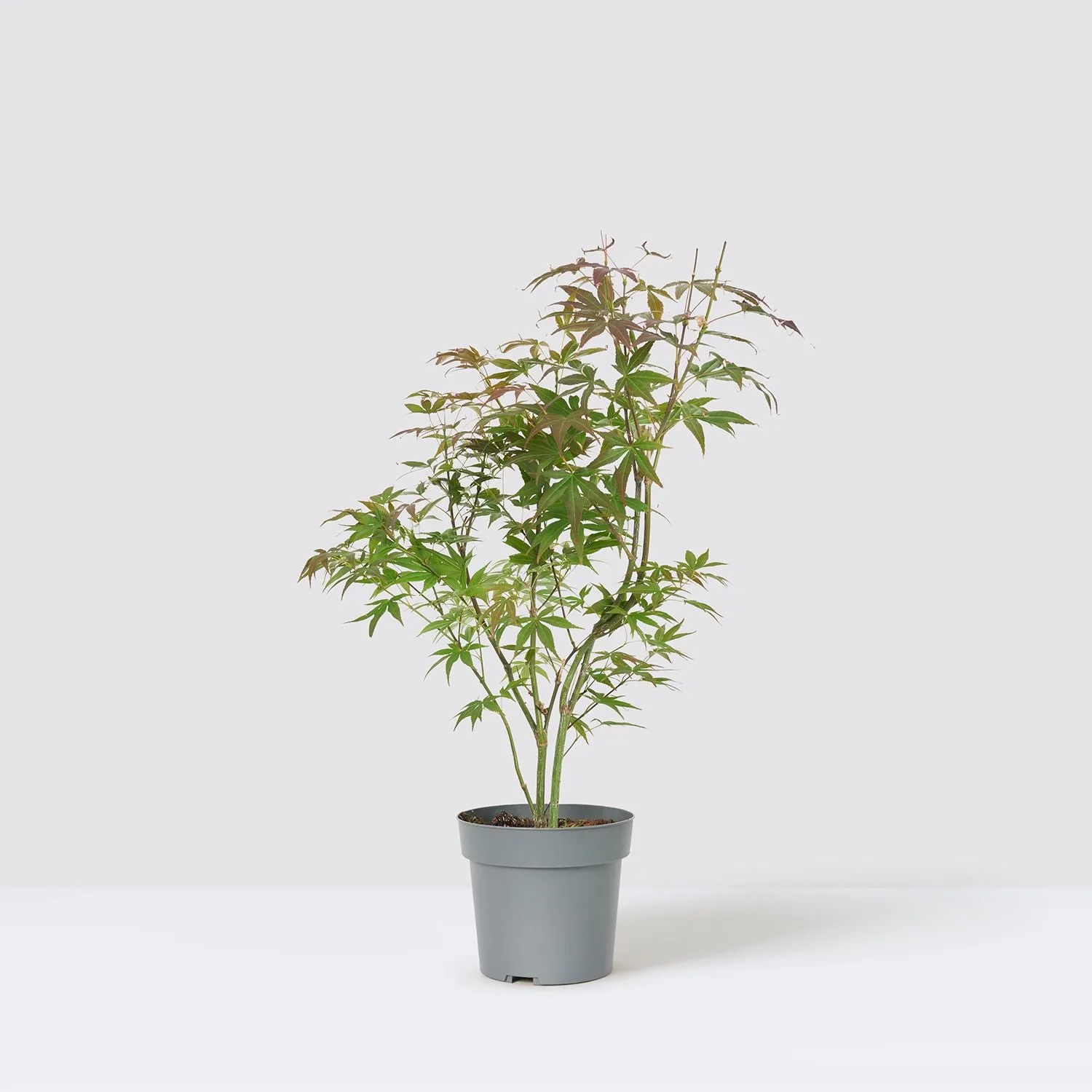
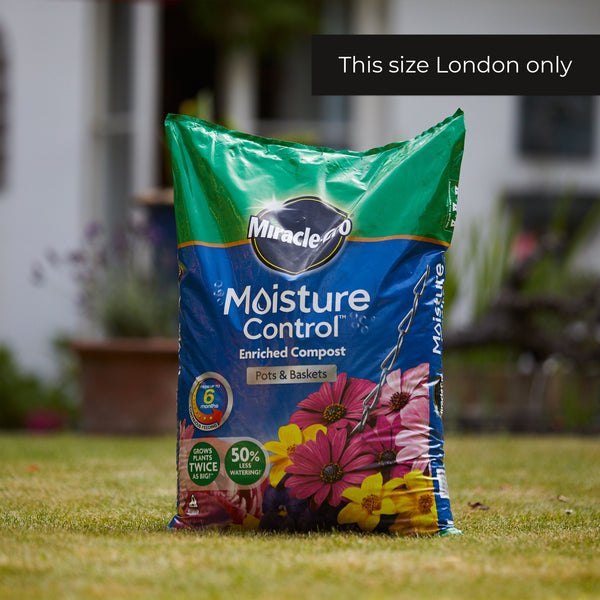
Container gardening lets you choose your own compost rather than inheriting whatever's in the ground. Most plants are happy in a standard multipurpose or outdoor mix, but acid-lovers like Japanese maples, camellias and blueberries need an ericaceous mix — grow them in ordinary soil and they yellow, refuse to flower and eventually die. Always check the plant's product page. And if you're combining plants in one pot, group ones that like the same conditions — sun-lovers together, shade-lovers together, thirsty apart from drought-tolerant.

Potting up itself is simple: add a layer of drainage material (crocks, gravel or even broken polystyrene) over the holes, fill with soil so the root ball sits just below the lip, then slide the plant out of its nursery pot. Gently tease the roots loose so they don't keep circling, settle it in, firm compost around the gaps, and water it in well.

Check your knowledge

6 quick questions to lock in what you just watched.
How much light do my outdoor plants need?

Every plant has its own appetite for light, so work out what you've got before you buy. The quickest way: open the compass app on your phone and check which way your space faces. In the UK, south-facing spots get the most sun, east and west sit in the middle, and north-facing get the least.

That's only the start, though. Buildings, walls, overhead balconies and trees all cast shade, so a south-facing balcony hemmed in by a tower block can be shadier than its aspect suggests. Watch your space across a day: does it get sun all day, a couple of hours, or barely any? Then match that to plants using the sunny, sun & shade and shady filters.

Even a deeply shaded corner has options — there's a happy plant for almost every spot. It's not black and white, either: a sun-lover will usually survive in shade, it just won't flower as freely. Put shade-lovers like ferns in blazing sun, though, and they'll simply fry.

Check your knowledge

5 quick questions to lock in what you just watched.
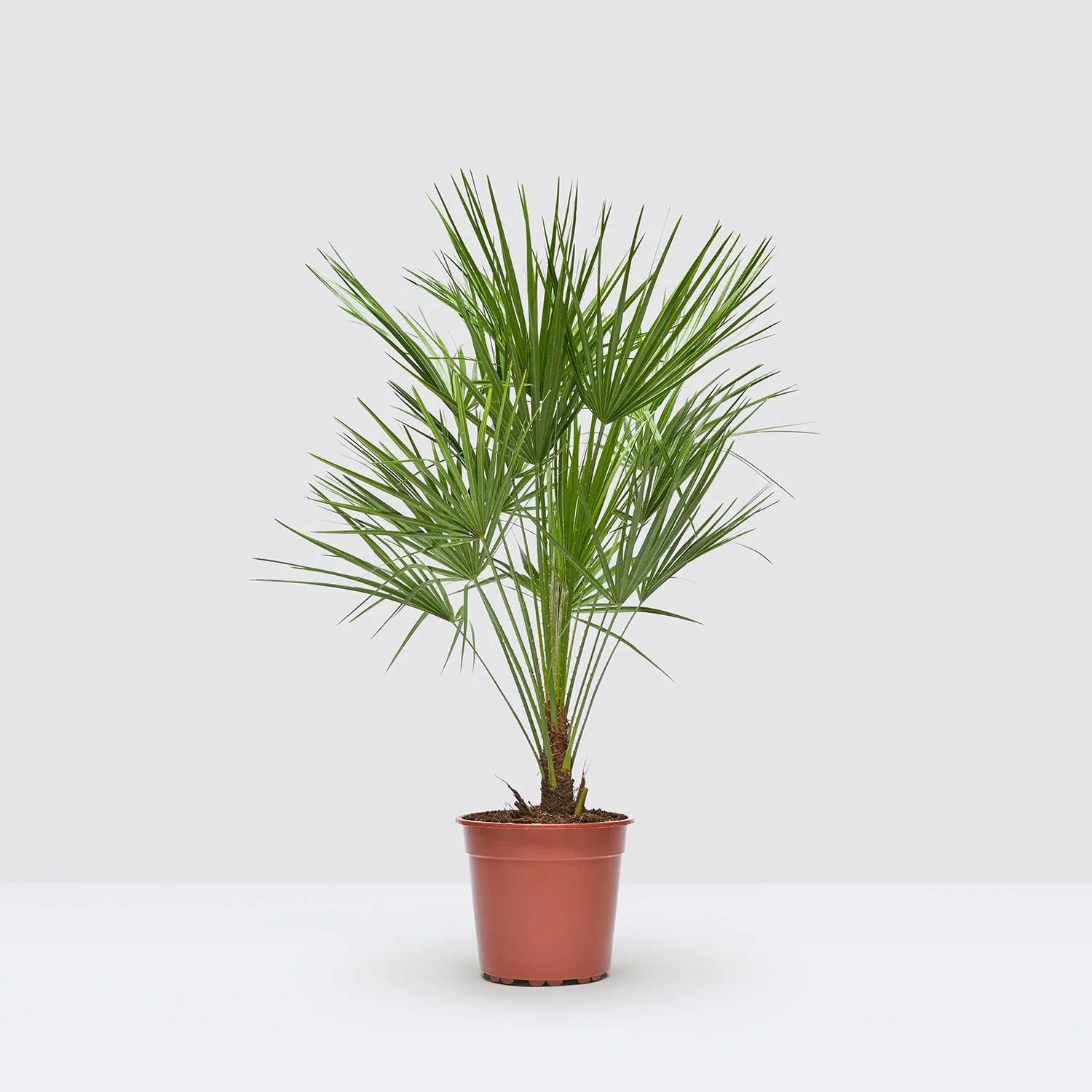
How should I water my outdoor plants?

Indoor plants tend to settle into a weekly rhythm. Outdoor pots rarely do — in a heatwave they can need watering twice a day, while at cooler times of year you can leave them for a fortnight. So forget the schedule and use the knuckle test: push a finger into the soil up to the knuckle. Dry at the tip? Water. Still damp? Leave it. If the soil's too solid for a finger, poke a stick in to check.

When you do water, water properly — soak it until liquid runs from the drainage holes so the whole root ball gets a drink. A few moisture-retention tricks help pots cope in a sunny spot: the capillary method (a strip of cloth wicking water up from a raised reservoir), moisture-retaining crystals mixed into the soil, or a mulch of gravel or slate over the surface.

That gravel or slate mulch does double duty — it slows evaporation and its rough, sharp surface keeps cats, slugs and snails off. For longer absences you can add a hose on a timer or a self-watering pot, though they cost more.

Go easy on the crystals. Moisture-retaining crystals swell a lot when wet — stick to the dose for your pot size or they'll push soil (and plants) out of the container.

Check your knowledge

6 quick questions to lock in what you just watched.
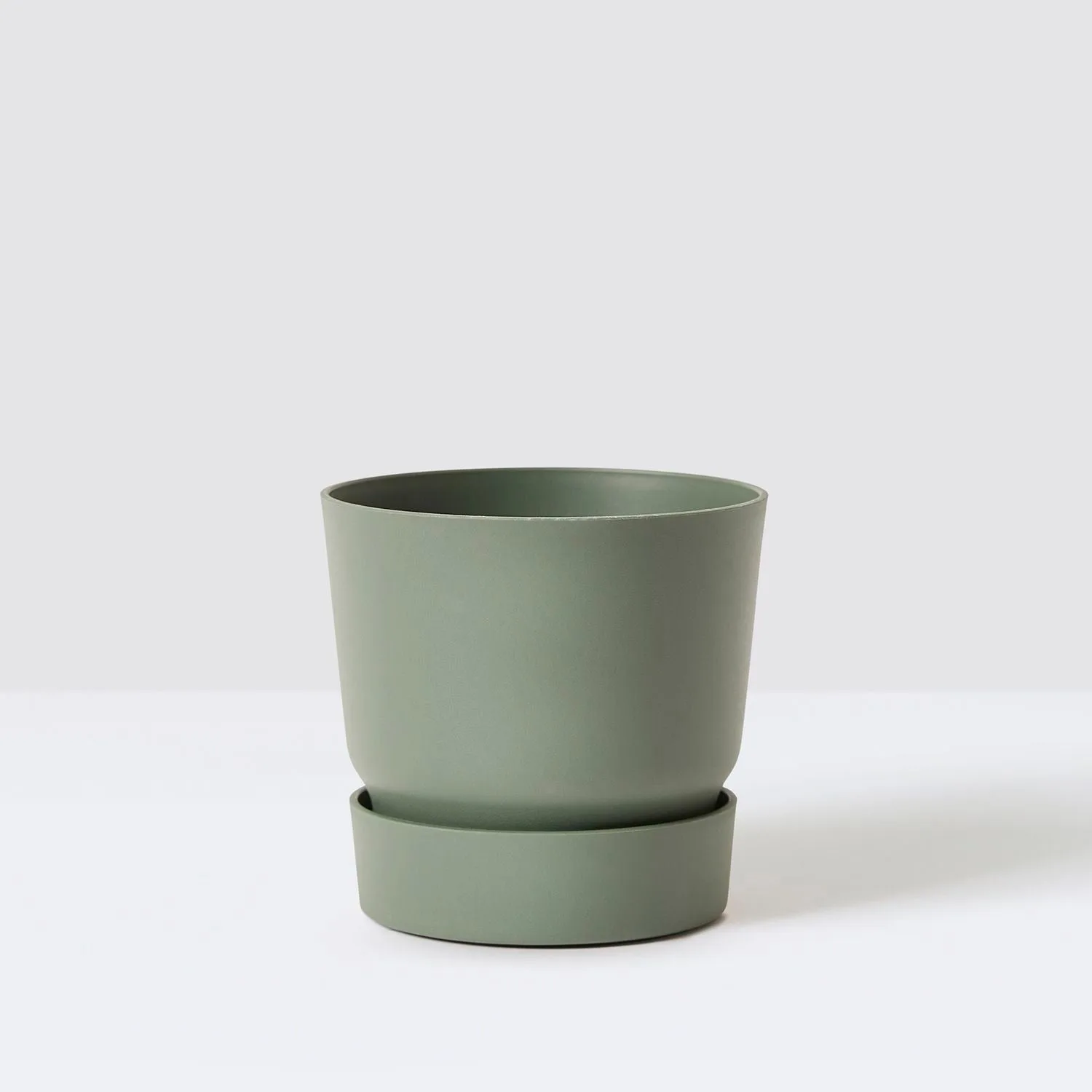
How do I protect my plants in extreme weather?

Storms, snow and the odd heatwave — your outdoor plants meet them head on, so plan ahead. Cold is the one you'll manage most. Get ahead of it with frost-proof containers, and when a hard frost is forecast, move tender plants somewhere sheltered but unheated — a garage, shed or greenhouse. A warm living room does more harm than good.

Can't move them? Wrap the pot (and the top of the soil, if you can) in bubble wrap to insulate the roots and buffer the freeze-thaw cycle. You can even line the inside of a pot with bubble wrap when you first plant up, months before the cold arrives.

In a heatwave, the main job is watching the soil — hot sun dries compost fast — and keeping shade-lovers out of direct sun. In a storm, wind and rain hit harder than these plants are used to, so bring them in if you can, or shield delicate ones under upturned pots, buckets or cloches, and move everything to the most sheltered corner of your space.

Check your knowledge

6 quick questions to lock in what you just watched.
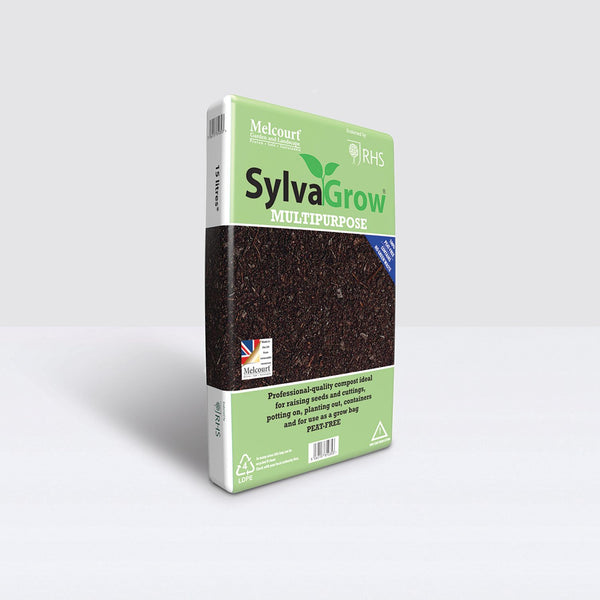
How should I feed my outdoor plants?

In the ground, plants draw a steady supply of nutrients from the soil around them. In a container there's no such system to top things up — and pots are often crowded, so the limited nutrients get used up quickly, especially through spring and summer. That makes feeding the key to healthy container plants.

You've got options. Slow-release sticks and pellets are the set-and-forget choice — push them into the soil and let them work for months. For more control, add a liquid or powder feed to your watering. And as well as a general outdoor feed, you can pick specific ones: a flower feed to encourage blooms, or a tomato feed that doubles up beautifully on chillies and other veg.

One warning: feed packaging often suggests a stronger dose than plants actually need, and too much can scorch the roots. Don't feel bad about going weaker — we'd halve the recommended strength and see how your plants respond. And stop feeding over winter, when most plants pause growing and a hit of fertiliser can seriously damage dormant roots.

Check your knowledge

6 quick questions to lock in what you just watched.
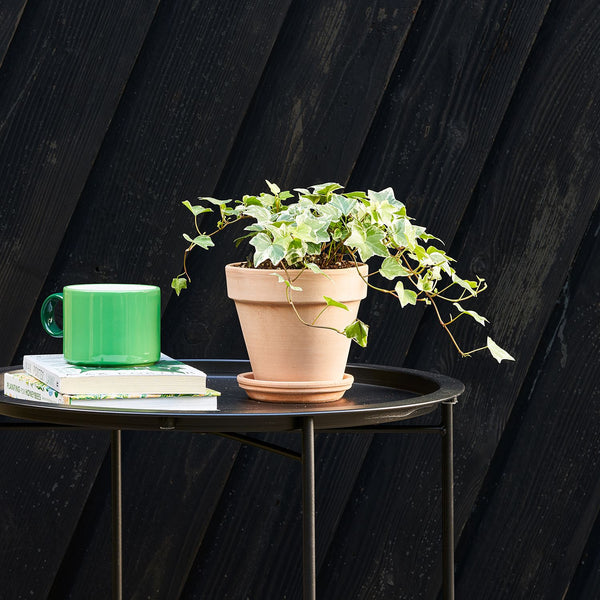
How do I weed and deadhead my containers?

Even high up on a balcony, uninvited weeds turn up in your pots — carried in on the wind or dropped by passing birds and squirrels. Don't just grab the leaves and yank: pull gently from the base so you lift the whole root and taproot out, or it'll be back in a week.

Deadheading — removing flowers just past their best — keeps plants looking good for longer and works a clever trick. A plant flowers in order to set seed and reproduce; snip the spent blooms off and you interrupt that process, so it channels its energy into throwing out fresh new flowers instead. Cut or pinch right back at the base or crown rather than mid-stem, so you're not left with a pincushion of bare sticks.

Finally, keep things tidy underneath. Clearing fallen petals and spent flower bits off the soil surface is one of the simplest ways to stop plant disease taking hold in a damp, crowded container.

Check your knowledge

6 quick questions to lock in what you just watched.
How do I stop pets and wildlife bothering my plants?

Outdoor plants put up with a lot of attention from pets and wildlife. First things first: some plants can make cats and dogs seriously ill if eaten, so check the toxicity note on each product page before you buy — or shop the pet-safe collection to skip the worry. Beyond that, it's about gently persuading curious cats, squirrels, birds and foxes to dig elsewhere.

The easiest all-rounder is spice. A sprinkle of cayenne pepper around your pots (or mixed with water and sprayed on) deters cats, squirrels, dogs and some bugs — the hint of heat gets up their noses and sends them off. Cats also hate walking on rough surfaces, so a mulch of slate or gravel, or twigs pushed in at intervals, keeps them away — and they dislike citrus, so lemon peel around the base helps too.

Pigeons are scared off by shiny, moving objects — hang old CDs or strips of foil nearby. For full protection, cover vulnerable plants with cloches or netting; you can even make cloches for free from old plastic bottles.

Check your knowledge

5 quick questions to lock in what you just watched.
How do I deal with bugs on outdoor plants?

Outdoor plants are far more exposed to pests than indoor ones, so learn the usual suspects. Aphids — clusters of tiny green, black or brown insects — love new spring growth and thrive in warm weather. Head them off by growing flowers that attract ladybirds, lacewings and hoverflies (your natural bouncers), and if they've already moved in, wipe them off and spray with an insecticide solution. Our DIY pesticide recipes are in the Houseplant course.

Slugs and snails love damp, shady spots — you'll spot holes in leaves and telltale slime trails, and catch them out at night. Trap them under upside-down citrus skins, ring the pot rim with copper tape, or net vulnerable plants. Vine weevils leave neat semicircular notches on leaf edges, but it's their root-eating larvae that do real damage — check the roots of any new plant before potting, and treat an infestation with harmless parasitic nematodes watered into the soil.

Spot what looks like cotton wool? That's mealybug. It prefers warmth so it's rarer outdoors, but if it appears, clean the leaves with a soap-and-water mix and treat with insecticide if it persists.

Check your knowledge

6 quick questions to lock in what you just watched.
How do I look after outdoor plants while I'm on holiday?

You deserve a break from the city, and your plants shouldn't stop you taking one. For a short trip in cooler months they'll mostly cope alone — it's really only when you're away in high summer, or for more than a couple of weeks, that you need a plan.

The simplest fix is a plant-loving friend or neighbour. Just remember summer pots can need watering once a day, so ask someone close by rather than across town. Prefer a DIY route? Moisture-retaining crystals alone won't cut it for a holiday, but pair them with the capillary method, or set up an automatic watering system. These get as clever as you like — programmed in advance, reacting to soil moisture, even switched on from your phone — the only catch is they can be pricey, so weigh up whether you really need one.

Whatever you choose, give everything a good care session before you leave: top up feed if it's spring or summer, deadhead spent flowers and trim any unruly stems. You'll often come back to healthier plants than you left — and a few new blooms you didn't expect.

Check your knowledge

5 quick questions to lock in what you just watched.
How do I get started growing herbs?

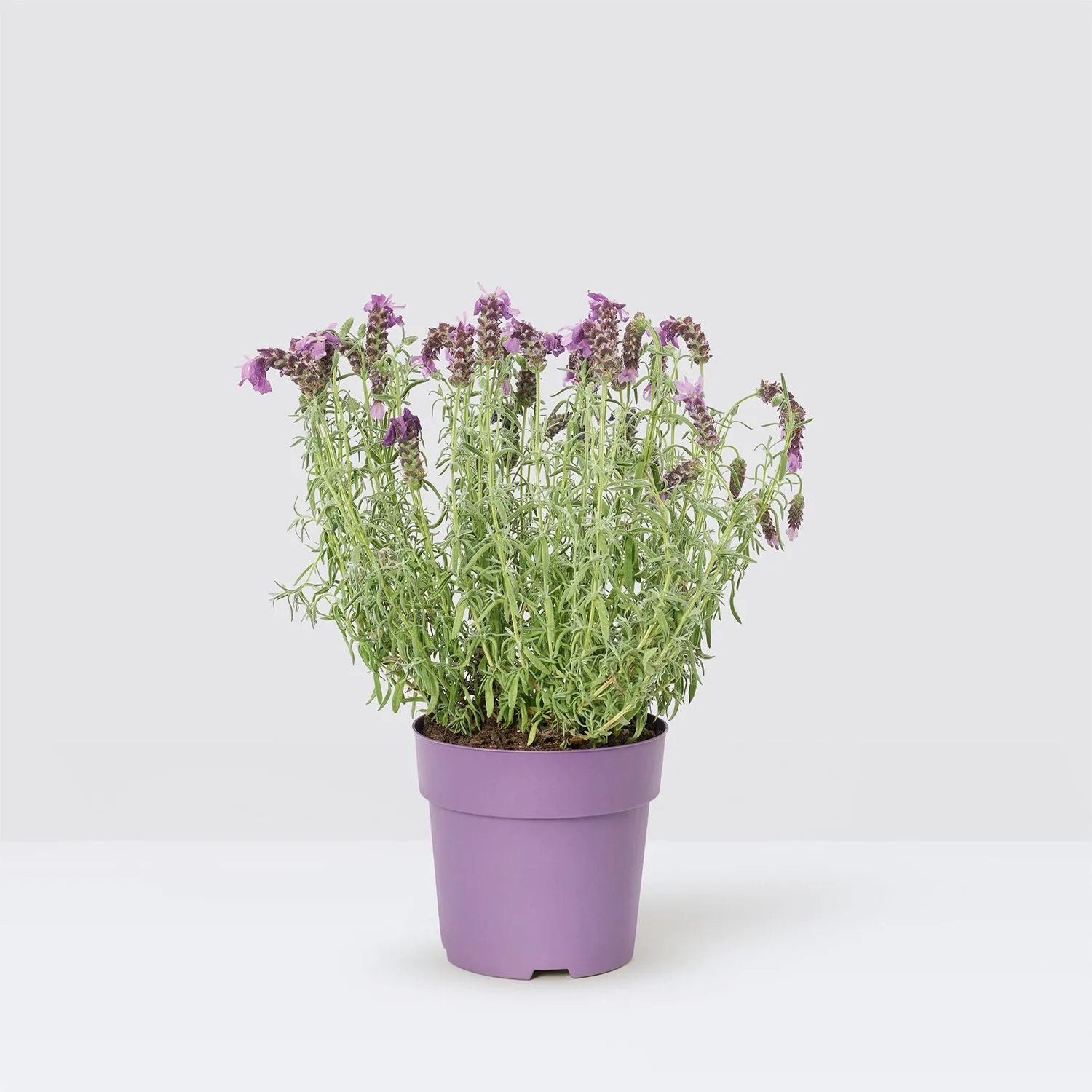
One of the best bits of gardening is growing your own food — nothing beats realising you need an ingredient and remembering it's on your windowsill. Herbs are the easiest place to start. We tend to buy them for the kitchen, but most are far happier outside, and generally want plenty of sun and well-draining compost. Terracotta pots suit Mediterranean herbs especially well, because the porous clay stops the roots sitting soggy.

Match each herb to its home climate: basil, thyme and rosemary like sun and drier soil, while thirsty, shade-tolerant mint and parsley are happier in a cooler, shadier spot. A word on mint — it's a thug, sending out runners that invade everything nearby, so always give it its own pot. Supermarket herbs are usually crammed with too many seedlings and arrive waterlogged, so ease off the watering at first, and don't be afraid to hard-prune a straggly plant right back — it responds by throwing out a flush of fresh new leaves.

Ready for more? Tomatoes are a great next step: plant seedlings in late spring, pick a bushy 'determinate' variety for containers, stake them, feed with tomato feed, and water only when the soil's dry a knuckle deep to avoid powdery mildew. Chillies want light and heat like a bright windowsill; repot if roots are poking out, and once established, hold back on water for a hotter chilli.

Check your knowledge

7 quick questions to lock in what you just watched.
How do I grow plants from seed?

Growing from seed takes more time and patience than starting with young plants, but the payoff is huge. Begin with two questions: what do you actually like to eat, and what will your space support? A sunny balcony suits tomatoes; a sheltered, shadier one is better for spinach and leafy greens. Choose seeds that match your conditions and you're already halfway there.

Sow into a small pot or, better, a modular seed tray — the modules drain well and make it far easier to lift out individual seedlings later. Use a light seed compost so delicate sprouts can push through, scatter small seeds over the surface and space larger ones out, then cover with a fine sprinkling of compost. Label everything, water well, and keep it somewhere warm.

Seeds like warmth and humidity to germinate. Recreate a mini-greenhouse with a propagator lid — or improvise with a plastic bag sealed over the tray. Keep the soil moist and check daily. When sprouts appear, move them into the light. Wait for the second set of leaves — the 'true leaves', which look like the real plant — before potting on. Then lift each seedling gently by a leaf, never the stem (a bruised leaf is survivable; a crushed stem isn't), loosen the roots with a pencil or dibber, replant, water in, and start a fortnightly liquid feed.

Check your knowledge

6 quick questions to lock in what you just watched.