Why it's important to understand the language
When it comes to outdoor plants exposed to the elements, their life cycles can be a bit more complicated than our indoor friends in their stable protected environments. Some plants stay permanently green, some die and grow back, some get bigger year on year and others come and go within a year.
It’s helpful to know the names of these so that you understand plant labels and filter for the kinds of plants you want when shopping.
Everything you need to know
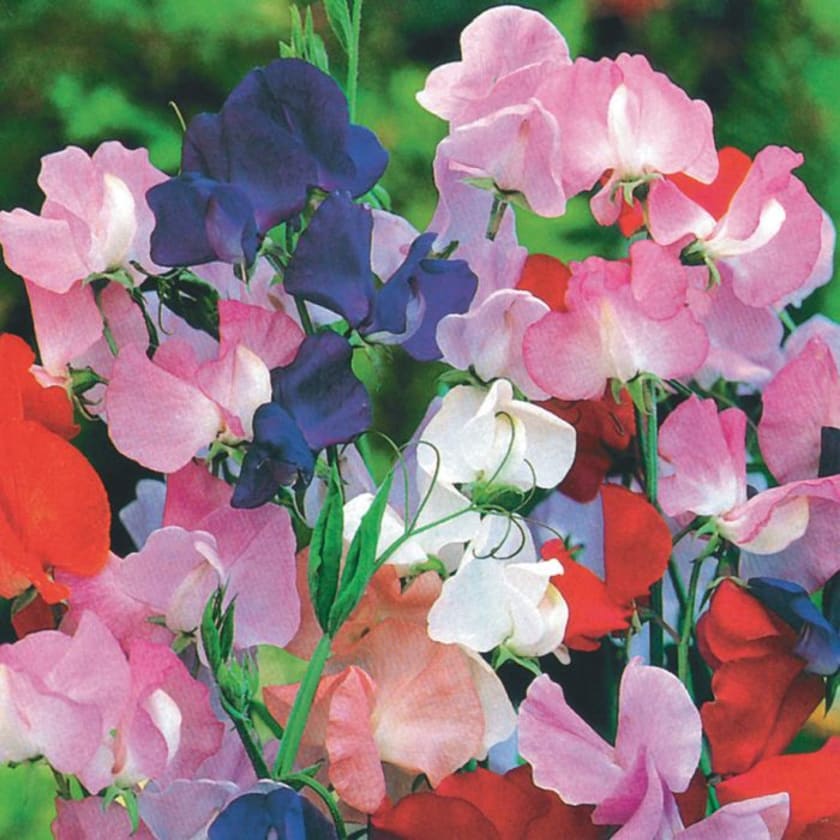
Annuals - annuals complete their entire life cycle – growing from seed, flowering, setting seed and then dying - all in one year. These are grown from seed every year. Some examples include: Poppies, Sweet peas, Cosmos and Nasturtiums.
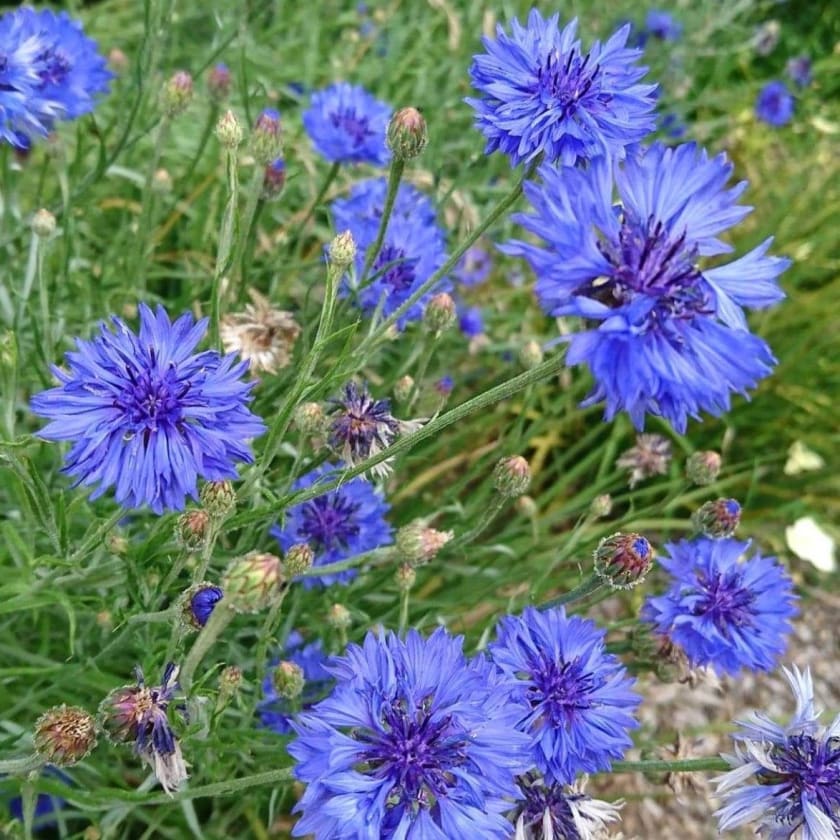
Hardy annuals- hardy annuals can withstand the cold, so you can sow them directly outdoors in spring or in autumn, so they pop up the following spring. Examples include: Nigella (Love-in-a-mist), Ammi majus (Bishop's flower), Calendula and Cornflower.
Half Hardy Annuals - half hardy annuals cannot survive the cold, so they are generally sown indoors in seed trays in spring and planted out in May or June when the soil is nice and warm e.g. Lobelias and Petunias.
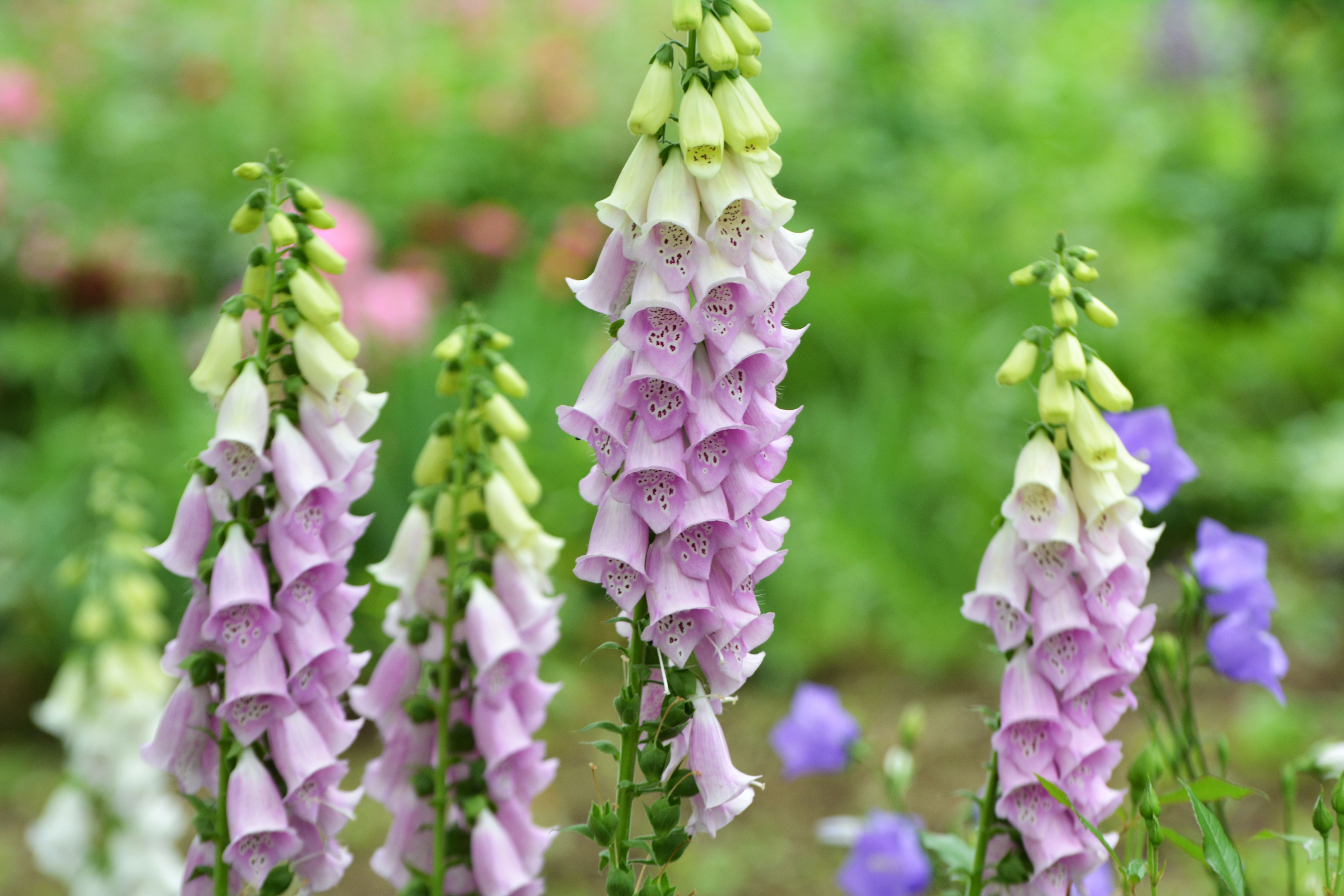
Biennials - biennials take two years to complete their life cycle. They put their green growth on in year one and flower and die in year two. They often flower in late spring, before annuals and perennials get going. Common examples of biennials include Foxgloves, Hollyhocks and Nicotiana (Tobacco plant).
Perennials - perennials live for three years or more. Sometimes referred to as ‘herbaceous perennials’, they spread as they grow. They can flower for several months in summer and will often die back completely to ground level over winter. They will start putting on new growth in spring. Some common examples of perennials include Hostas, Peonies and grasses like Stipa and Miscanthus.
Tender perennials - tender perennials cannot cope with the cold and so must be brought indoors in winter. They are generally from more tropical parts of the world where there isn't as much seasonal fluctuation as we get in Britain. Impatiens (Busy lizzie) and Gazanias fall into this category.
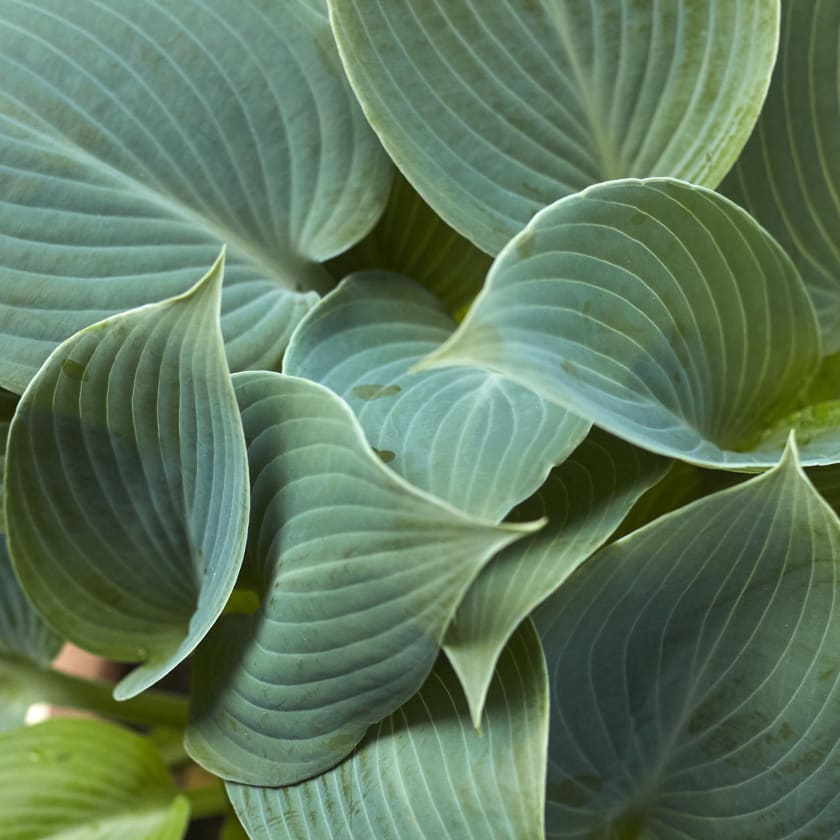
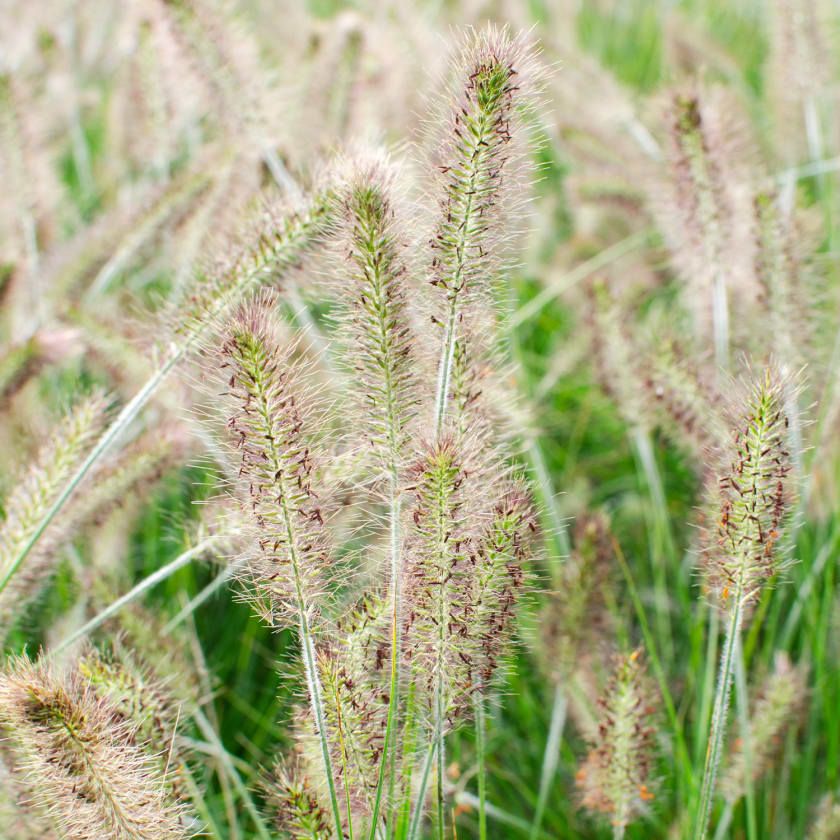
Evergreen- trees and plants that retain leaves throughout the year
Deciduous - trees and plants that shed leaves in winter
Top 5 Evergreen Plants
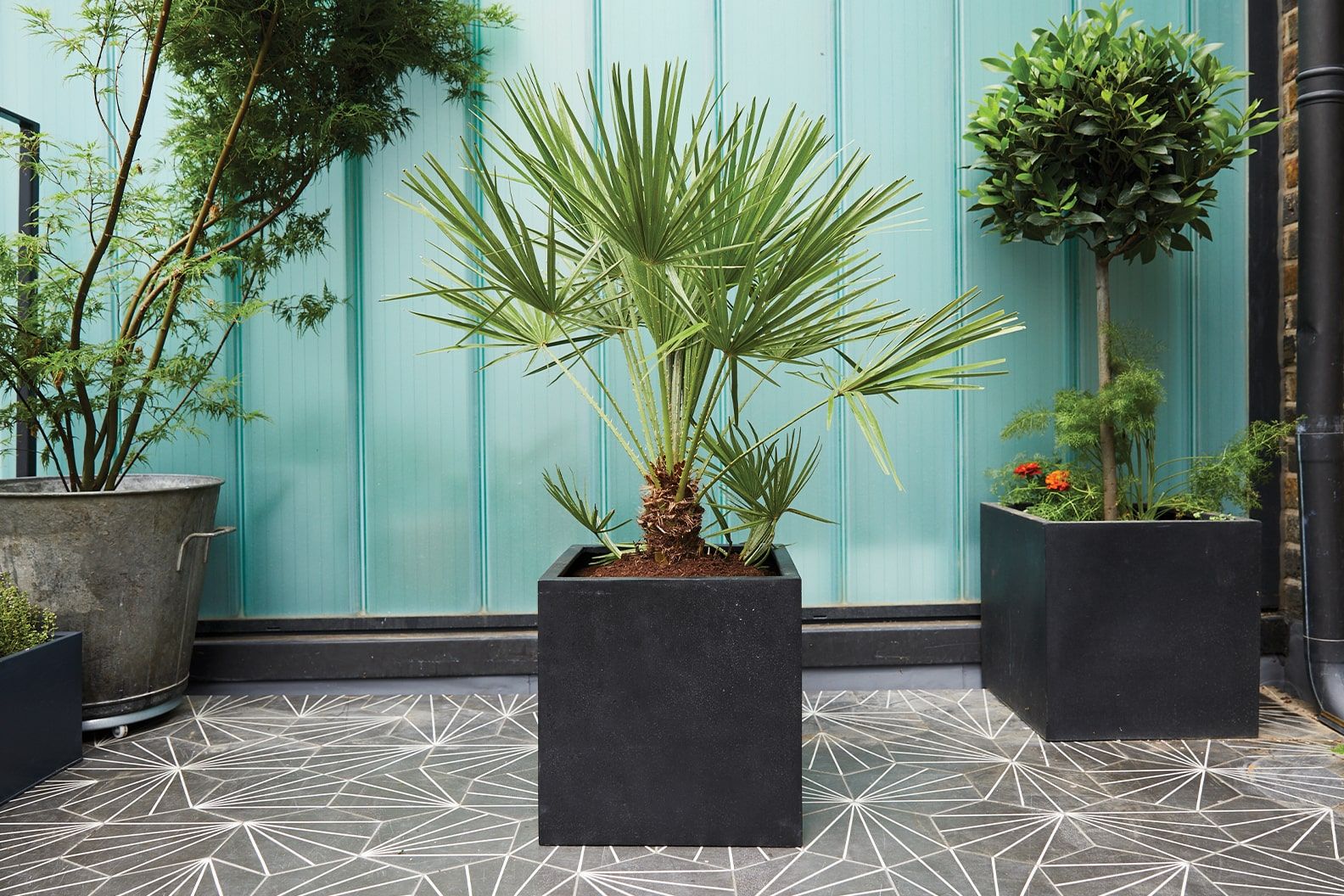
MaeChamaerops humilis

Laura shrubBay tree
FatsFatsia japonica
CoryCordyline - green
Top 5 Deciduous Plants
RosaClimbing rose - white
GiaHydrangea macrophylla - light pink
AceAcer Palmatum - red
WilmaWisteria sinensis 'Prolific' - purple