Be it nosy neighbours, loud roads or lingering smells, our busy world leaves little room for calm seclusion. More than ever, our private outdoor spaces need to become sanctuaries where we can block out others and focus on ourselves. Plants can help create pockets of paradise - finding that tranquil time-out is easier than you might think.
We’re going to look at:
- Using evergreen plants
- Repetitive planting
- Creating layers
- Using climbing plants
Repetitive planting: line them up
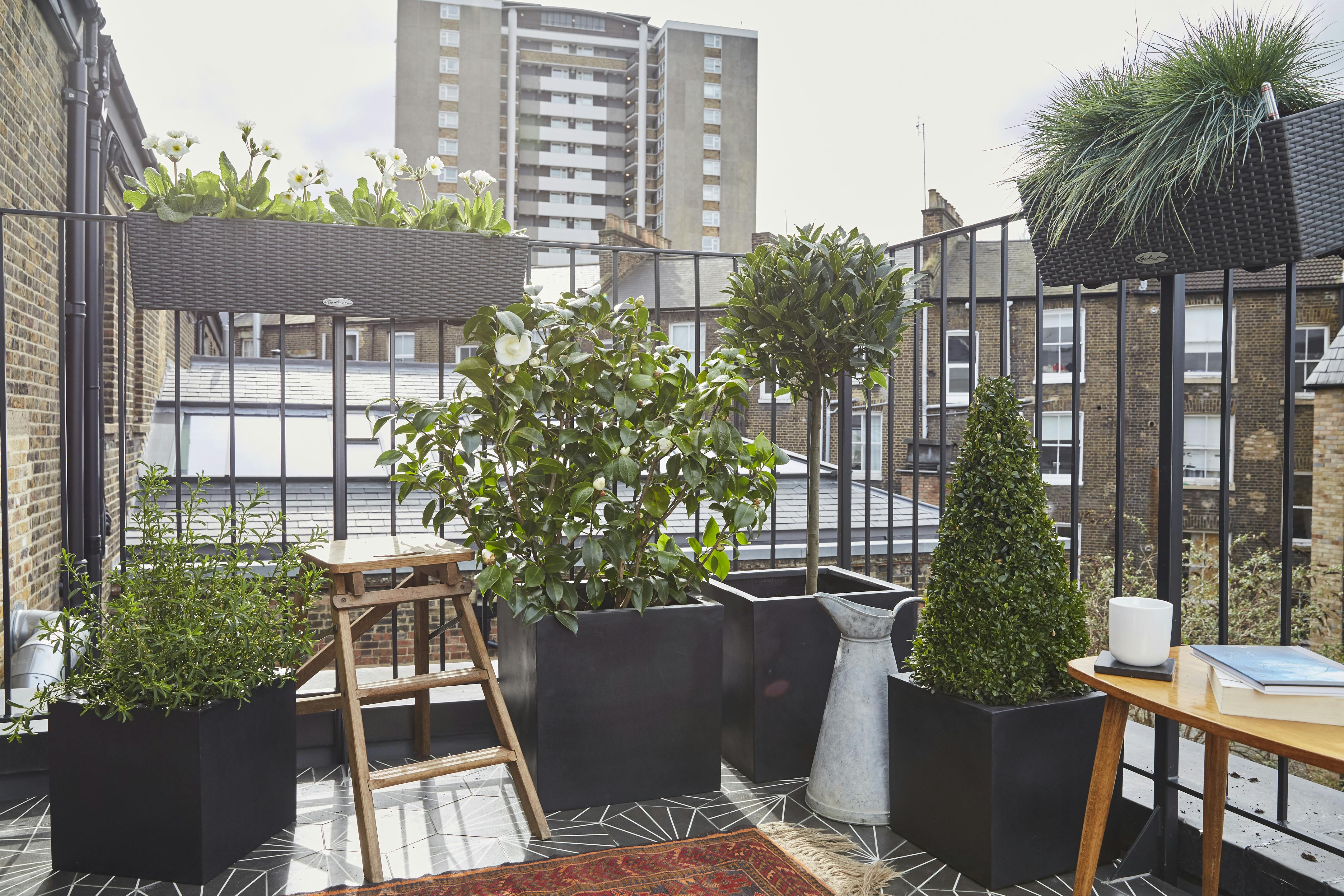
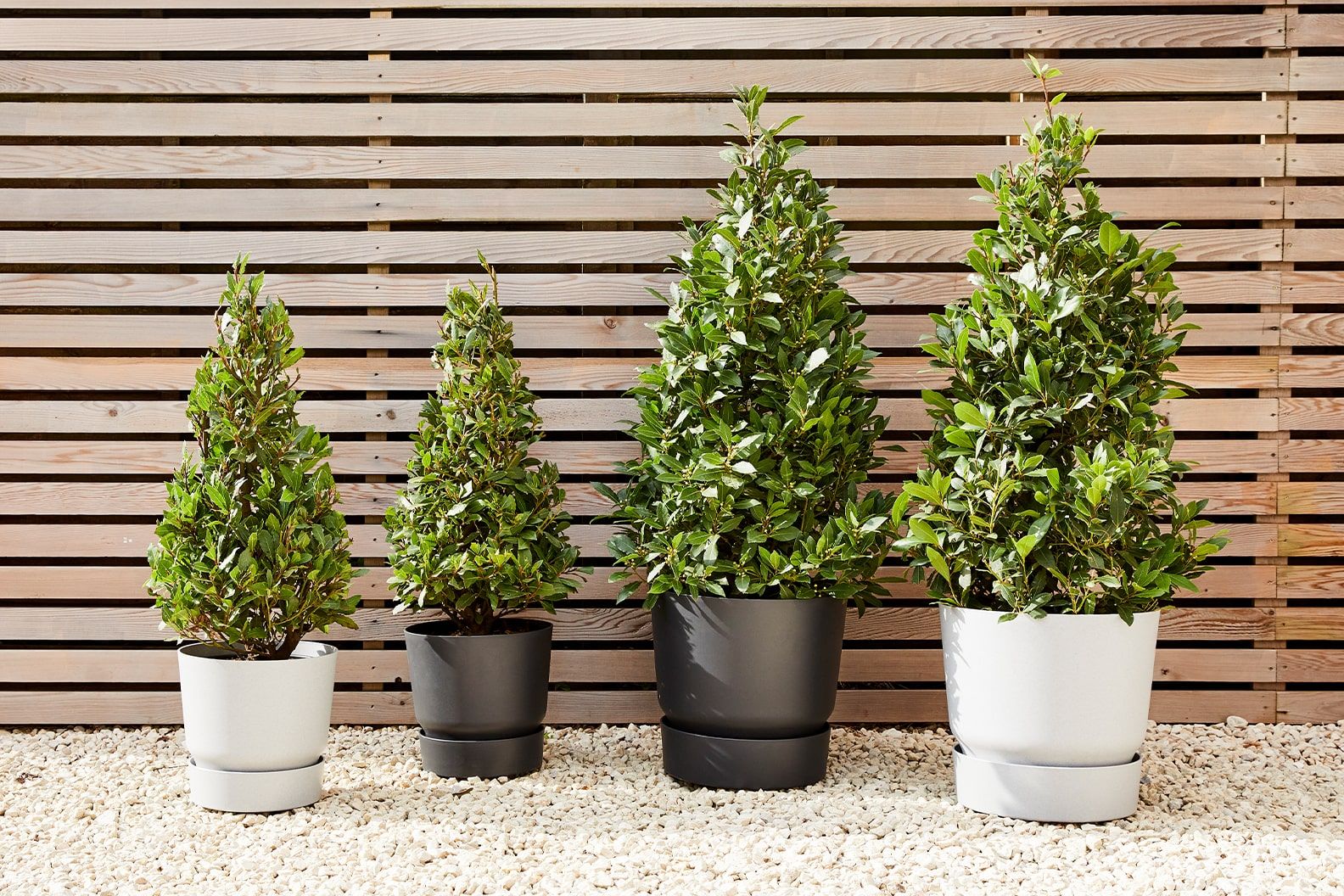
Growing a number of the same plant in a row is an easy and cost-effective way to create a screen, and is typical of a formal garden style. The most common way to create a natural screen with repetitive planting is to grow a hedge. We typically think of hedges in the ground, which are created by planting shrubs quite close together so that as they mature they grow into each other.
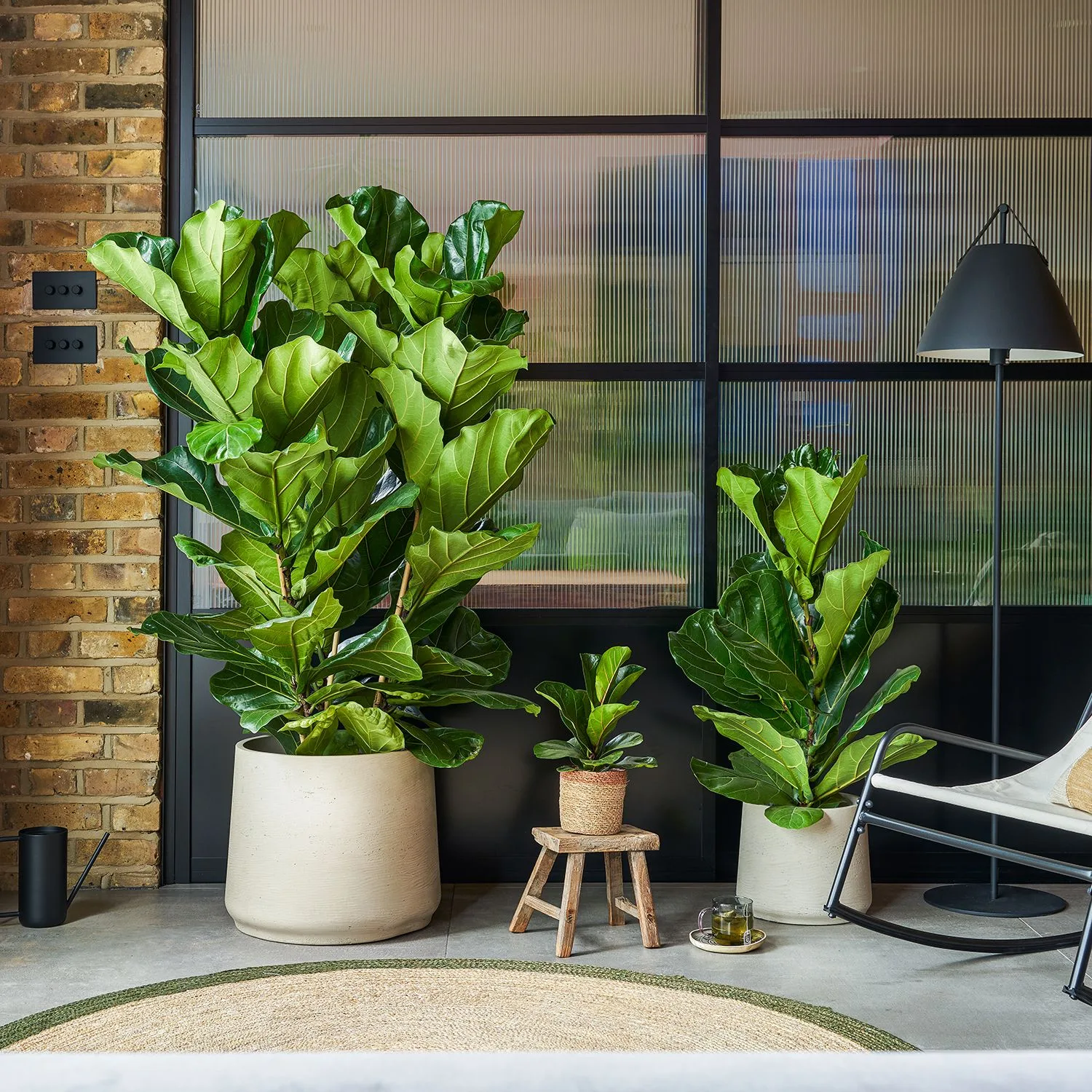
Regular pruning of hedges, trimming back the top and sides, encourages the growth of side-shoots, which is what creates their dense wall-like effect. The same effect can be created in troughs or pots by spacing them at regular intervals.
Creating layers: mix n' match
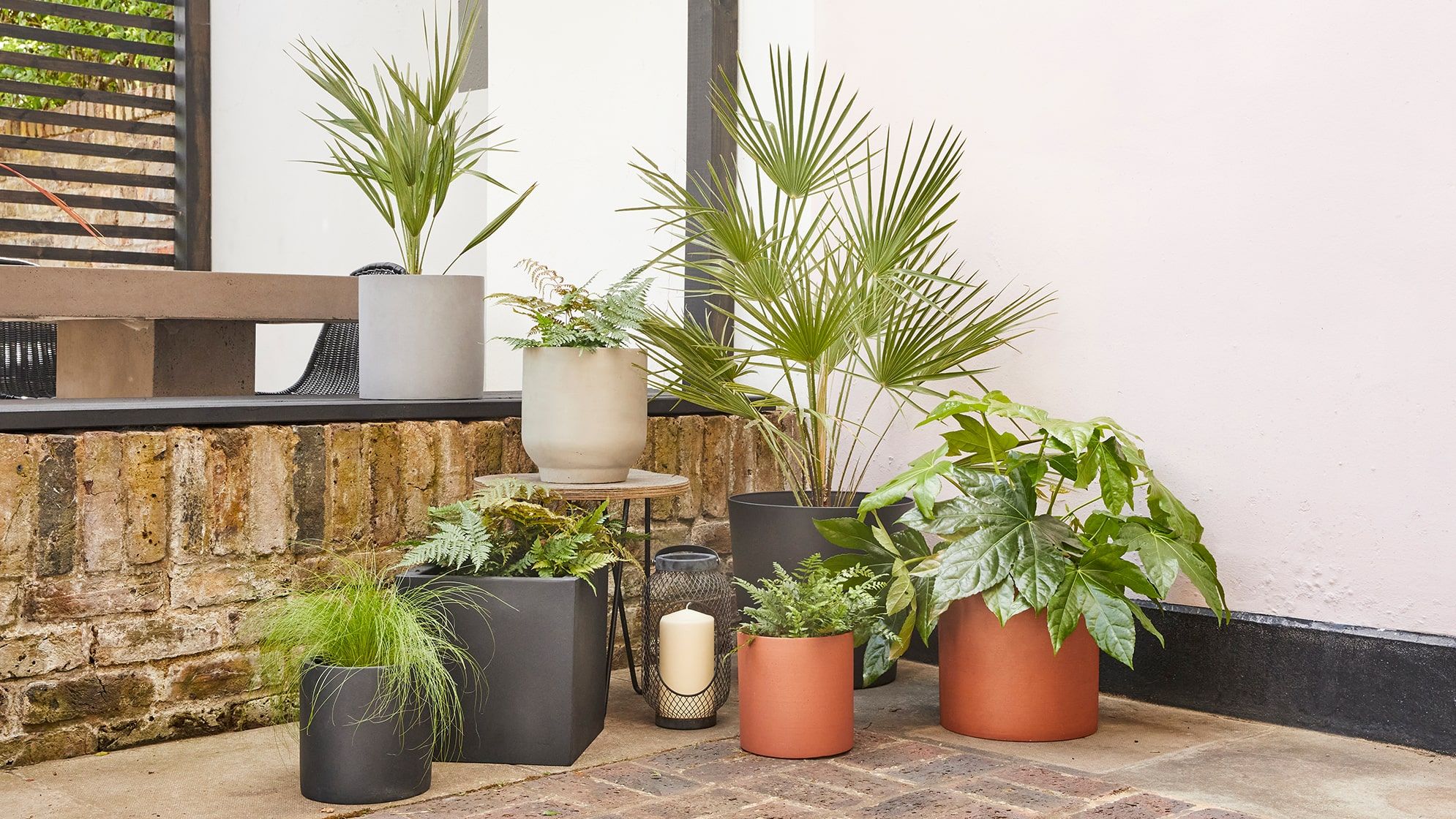
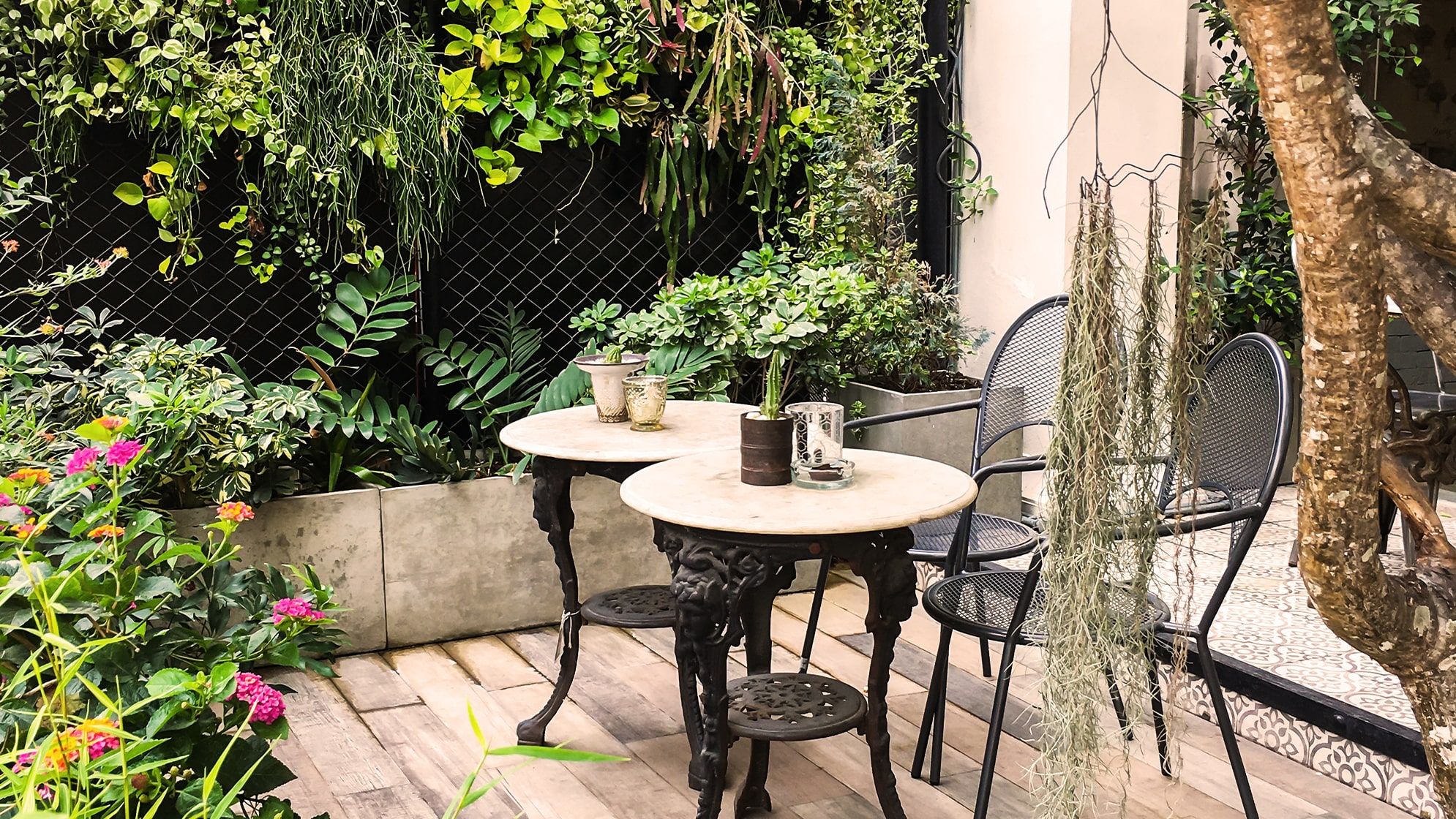
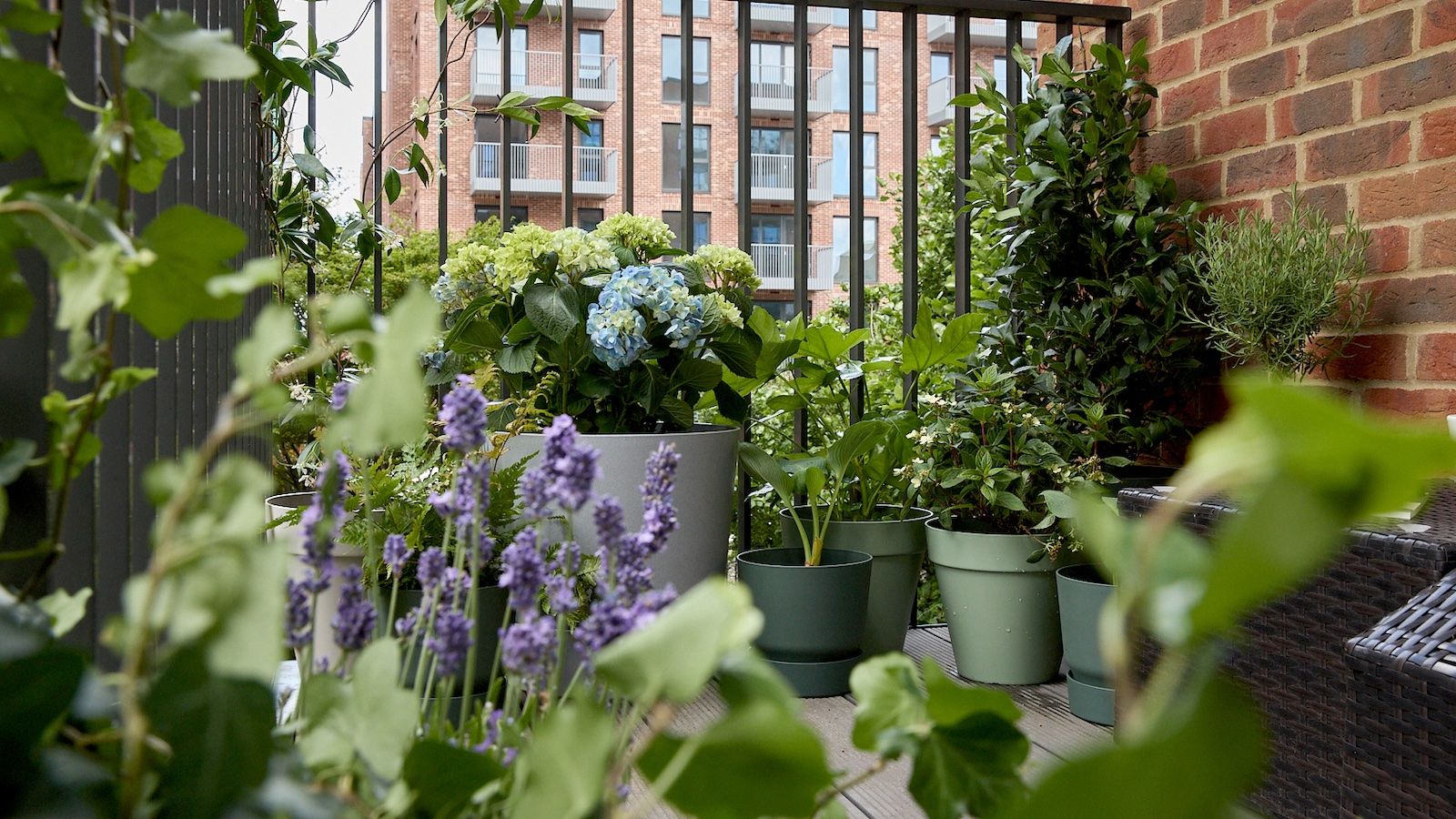
A more playful way to create privacy with plants is to combine evergreen and deciduous, tall, mid-size and small, trailing and climbing plants. This can be done in the ground or in pots. If planting in pots, additional height can be created using plant stands, placing pots on ledges, tree stumps or even rocks to create a layered, staggered effect. Taller, more upright plants will generally be positioned towards the back of the group but you can bring some forward to make your display more 3D.
By combining evergreen and deciduous plants (those that lose their leaves or die back over winter), you ensure that you’ll always have some colour and structure throughout the seasons. While your screen might be a bit thinner or more transparent during the colder months, you’re unlikely to be spending as much time outdoors, and you can rest assured that it will grow back as it warms up. Layering up like this creates a more natural, informal style.
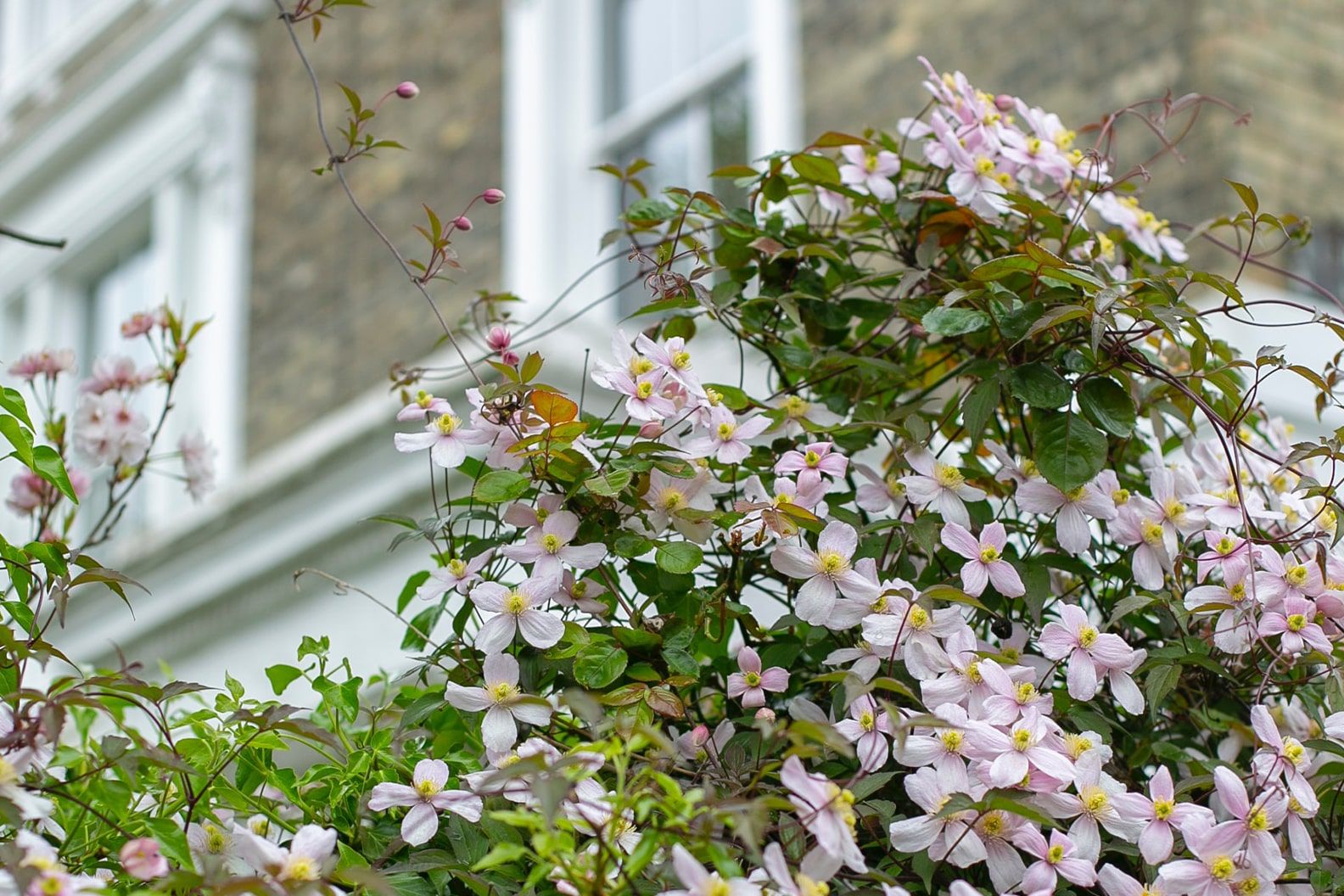
Buying more established plants will help get the effect you’re after more quickly, but don’t be put off buying smaller, younger plants that require a bit more time to establish - sometimes the more stealth-like approach is less offensive to the neighbours.
Finding privacy and peace in our outside spaces is essential in this hyper-connected world. Plants can create natural, quiet spots for us to recharge and thrive, so grab that book and a drink – it’s time to relax, undisturbed.
Plant tips. Special offers. No spam.