Fungus gnats are more annoying than destructive, but left unchecked they can leave your plant jungle looking a bit sad. Here’s what you need to know:
That’s the groundwork covered; let’s dig a little deeper.
Identifying fungus gnats
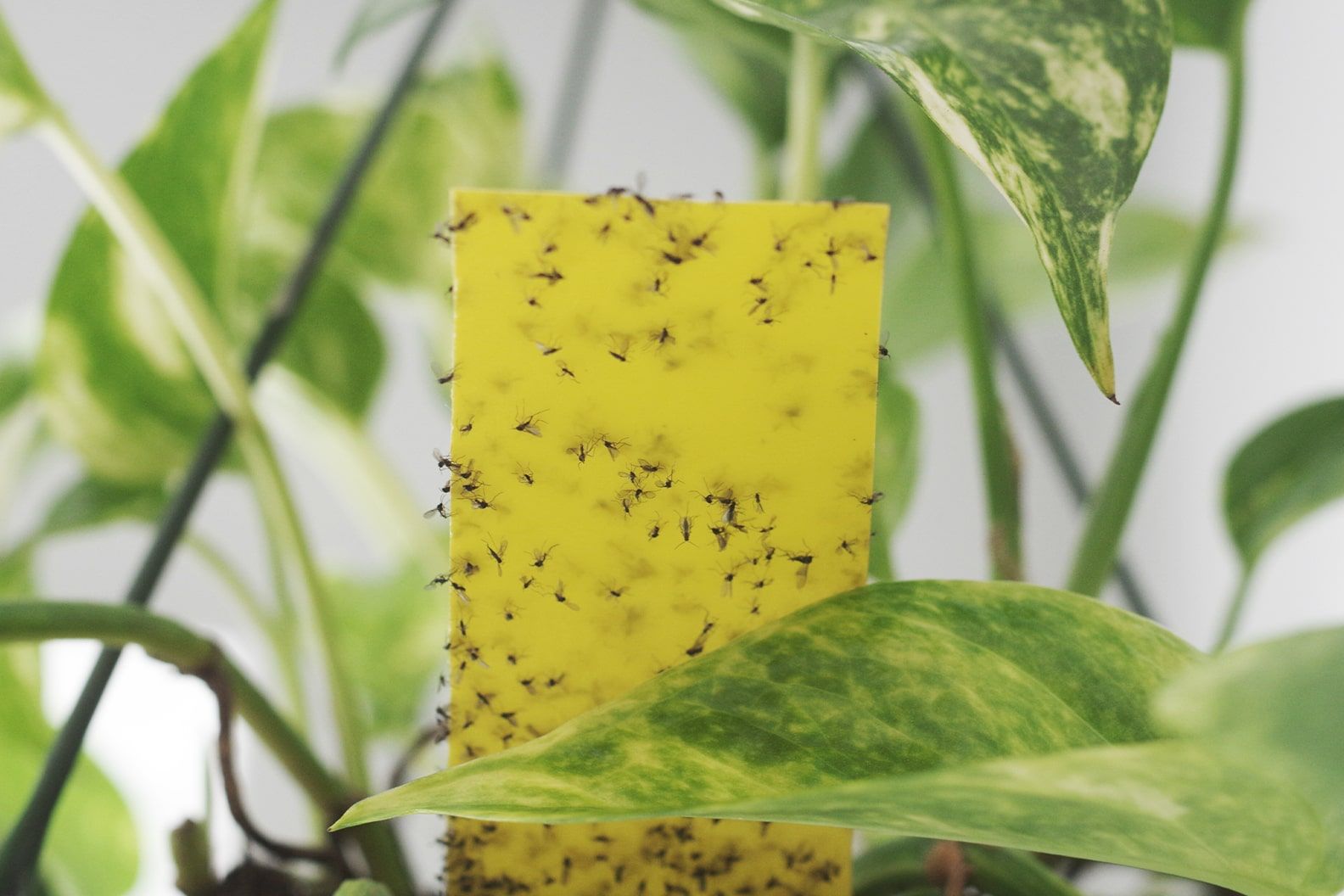
Fungus gnats are tiny greyish, brown flies about 3-4mm long. Like many of us, they hate the cold, preferring warm environments. Add in some humidity and it’s gnat heaven. That’s why our cosy indoor environments are so tempting. They’re often seen running over the damp soil of potted plants and flying aimlessly around our homes.
Recognise the above? You’ve got gnat squatters. Fear not though - the flying adults pose more threat to your personal space than established plants. Harmless to humans, they lay their eggs on moist soil and within a few days, semi-translucent larvae hatch. It’s these guys that you’ve got to look out for.
How do fungus gnats affect my plants?
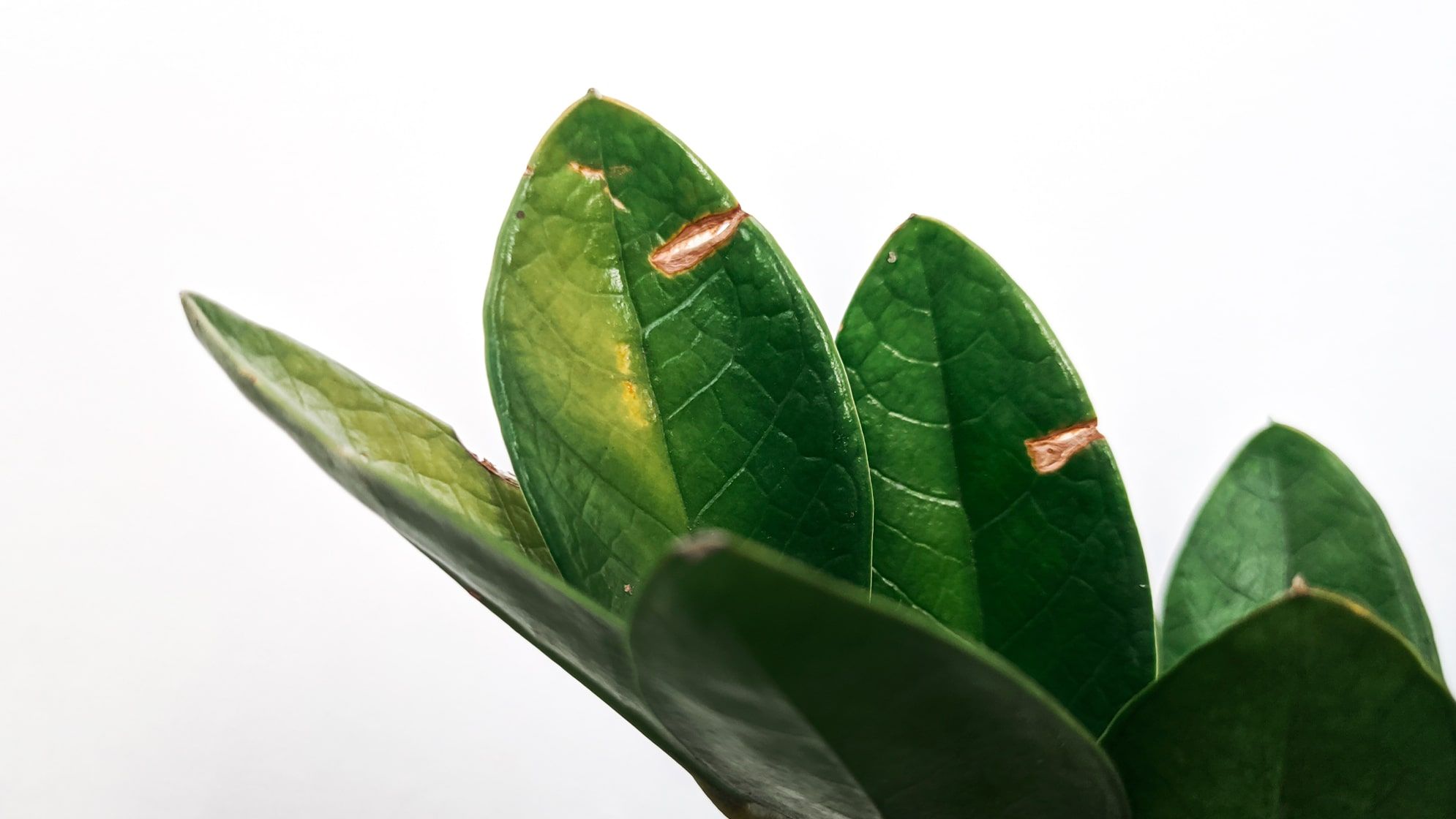
You’ll find the larvae lurking in the top layer of soil. They’re looking for tiny fungus, which grows in damp, humid conditions – hence the name. In the absence of fungus, they’re equally content munching on soft, tender plant matter. Think small roots, soft shoots and seedlings. A few flies can quickly become an infestation thanks to a speedy life cycle. Young plants and seedlings playing host to fungus gnat larvae will look limp and lifeless, with sad yellowed leaves.
Treating a fungus gnat infestation
If one of your young plants has fungus gnats, don’t panic.
- Add one tablespoon of washing up liquid or liquid Castille soap per one liter of water. Using a spray bottle, shake well and soak the top layer of soil, trying to not splash the leaves. Repeat every few days until larvae have gone, but be careful not to overwater the plant.
- If the above doesn't work, repot the plant in fresh houseplant soil and a squeaky-clean pot. Be sure to carefully remove soil around the rootball where the larvae hang out.
With the larvae under control, you’ve broken the cycle. Lure flying adults with a simple DIY trap:
- Pour vinegar into a cup, add a few drops of washing up liquid and cover in cling film. Poke entry holes in the top and place near infested plants. Adults will fly in and, well, not come out again
- If that doesn’t work, grab some sticky yellow insect strips from your local garden centre.
How to stop fungus gnats returning
Eviction complete, let’s ensure these pesky pests don’t come back. Here are a few tips to prevent future gnat attacks:
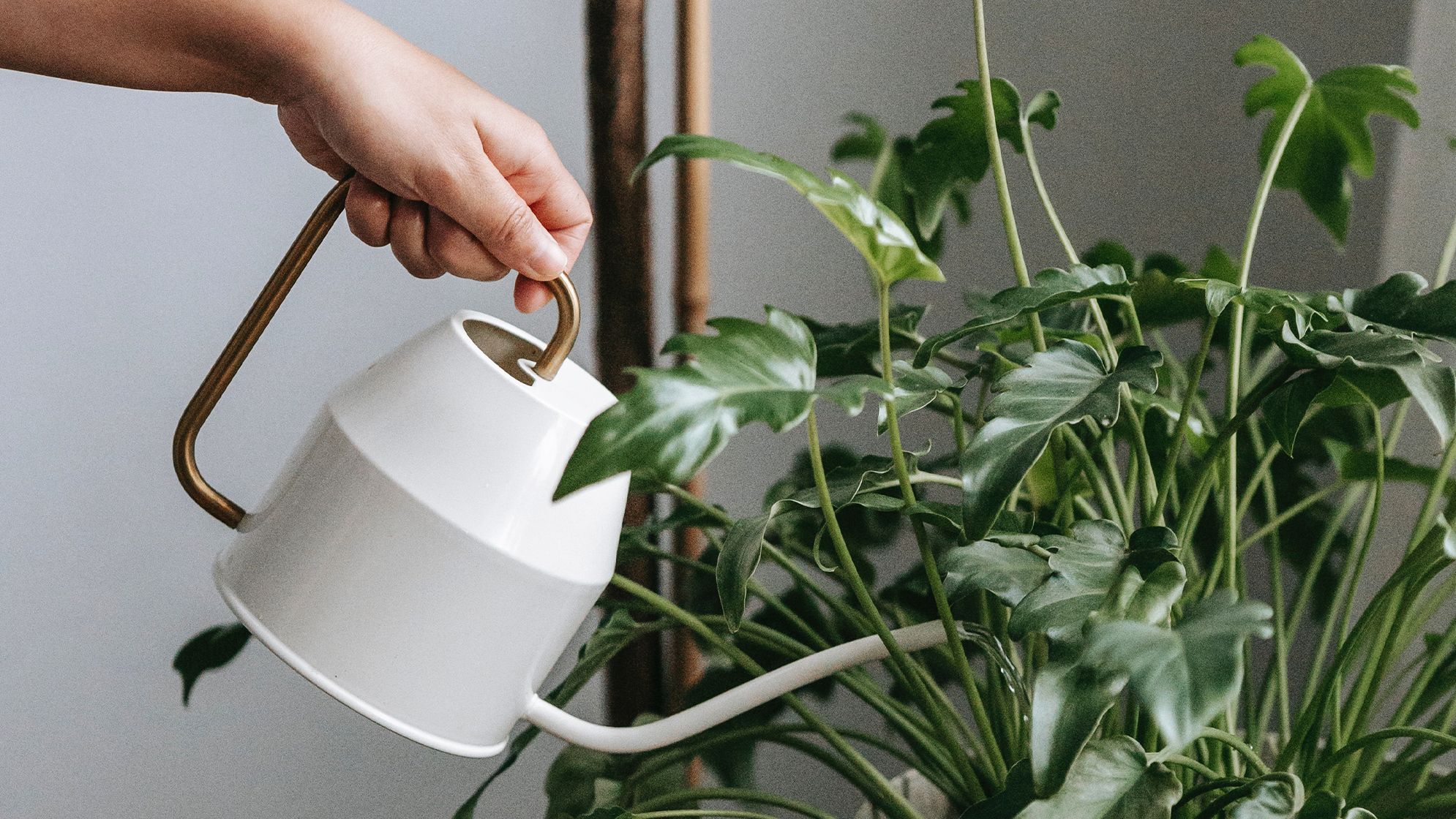
- Don’t overwater. Fungus gnats love moist soil and humid conditions – basically anywhere fungus is likely to thrive. Try our finger dip test to ensure you water just the right amount
- Water from the bottom occasionally using a saucer or tray. This avoids the top layer of soil from always getting wet
- Cover the soil with pumice or sand to make it harder for adults to get to the soil and lay eggs.
There you have it, our guide to banishing fungus gnats. If you spot them lingering around your plants, act fast and they’ll be gone before you know it.
Plant tips. Special offers. No spam.