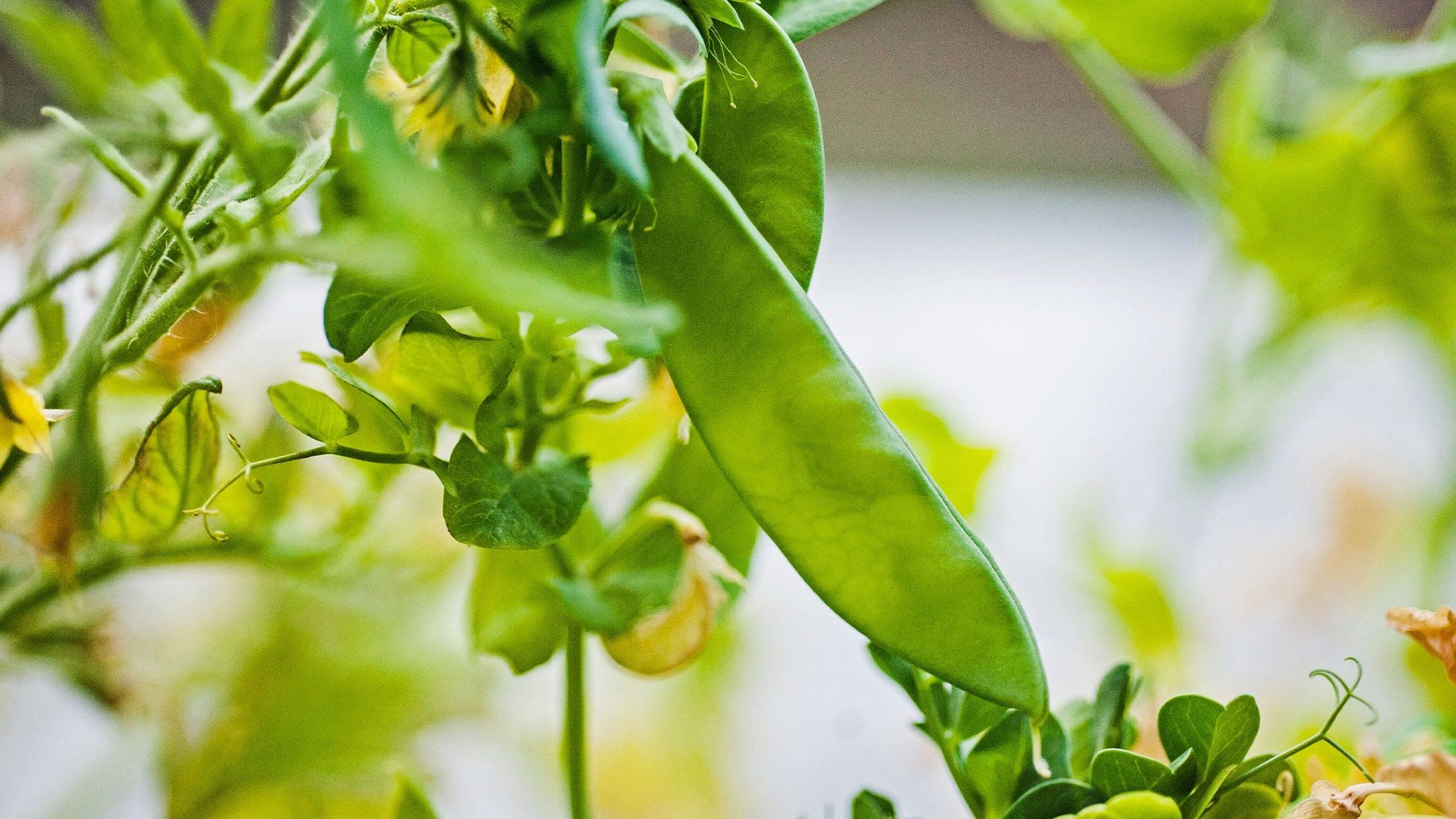
The humble pea may not look like much, but these pretty pods are nutritional powerhouses. Thankfully, peas are also an easy crop to grow – even if you're new to gardening. Here's a basic checklist for growing peas:
When to plant peas
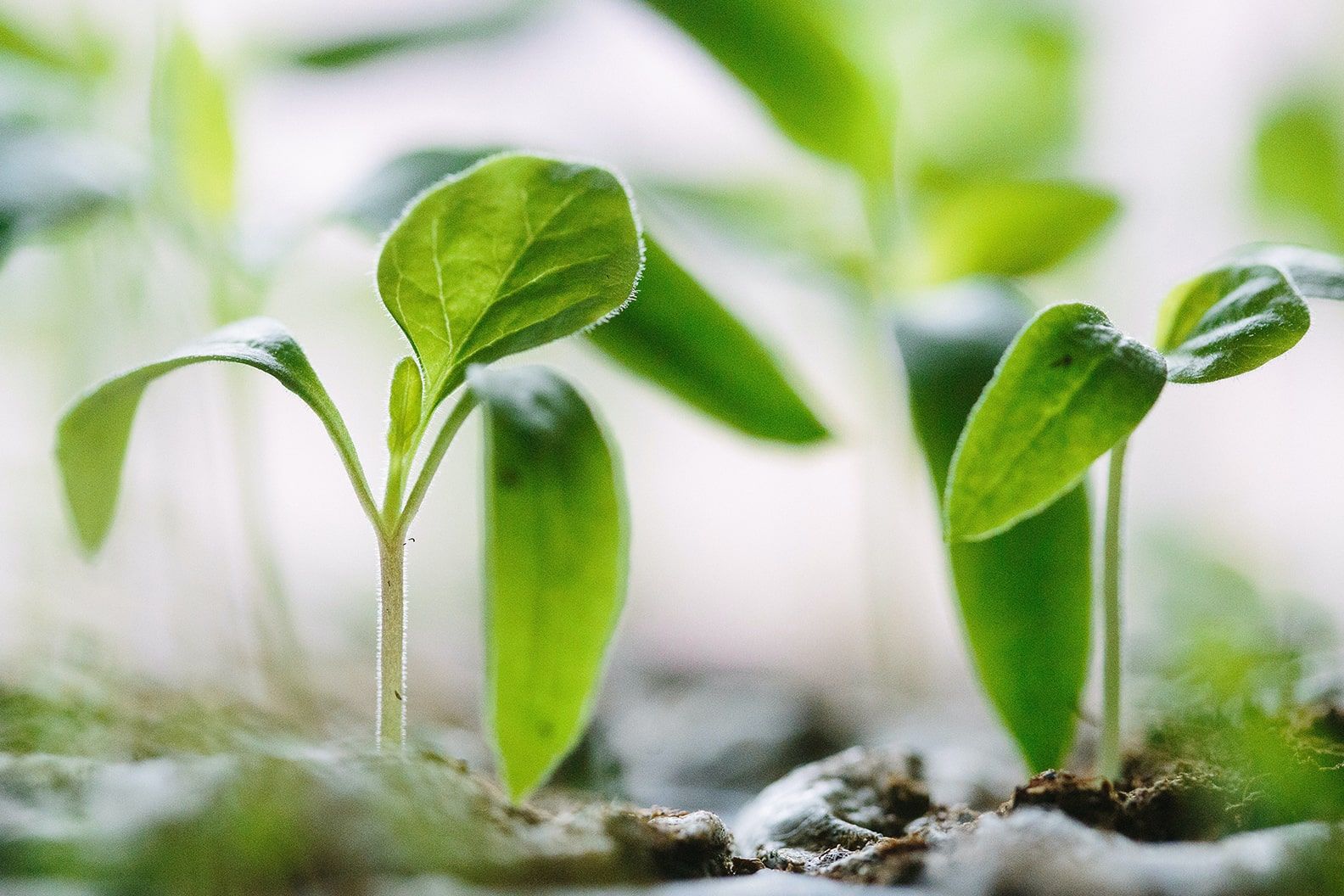
Peas can be sown indoors and outdoors. Start pea seeds off indoors in February and March to shield them from cold weather. Seedlings should emerge after a couple of weeks.
Believe it or not, the best way to sow a pretty row of peas is to use a bit of drainpipe filled with compost. Pop your seeds in at three-inch (7.5 cm) intervals. If you haven’t got a spare bit of plumbing lying around, you can also use pots or trays.
Sow outdoor seeds directly into the ground between March and June to give you a good long harvest. Choose a sunny spot and dig a furrow into some compost, then sow the seeds in rows with four-inch gaps between them.
How to plant peas
Once the seedlings have sprouted and the weather is warm, they can go outside in a sunny spot. You can plant them straight into the ground or grow them in compact containers like small troughs if you’re short on space.
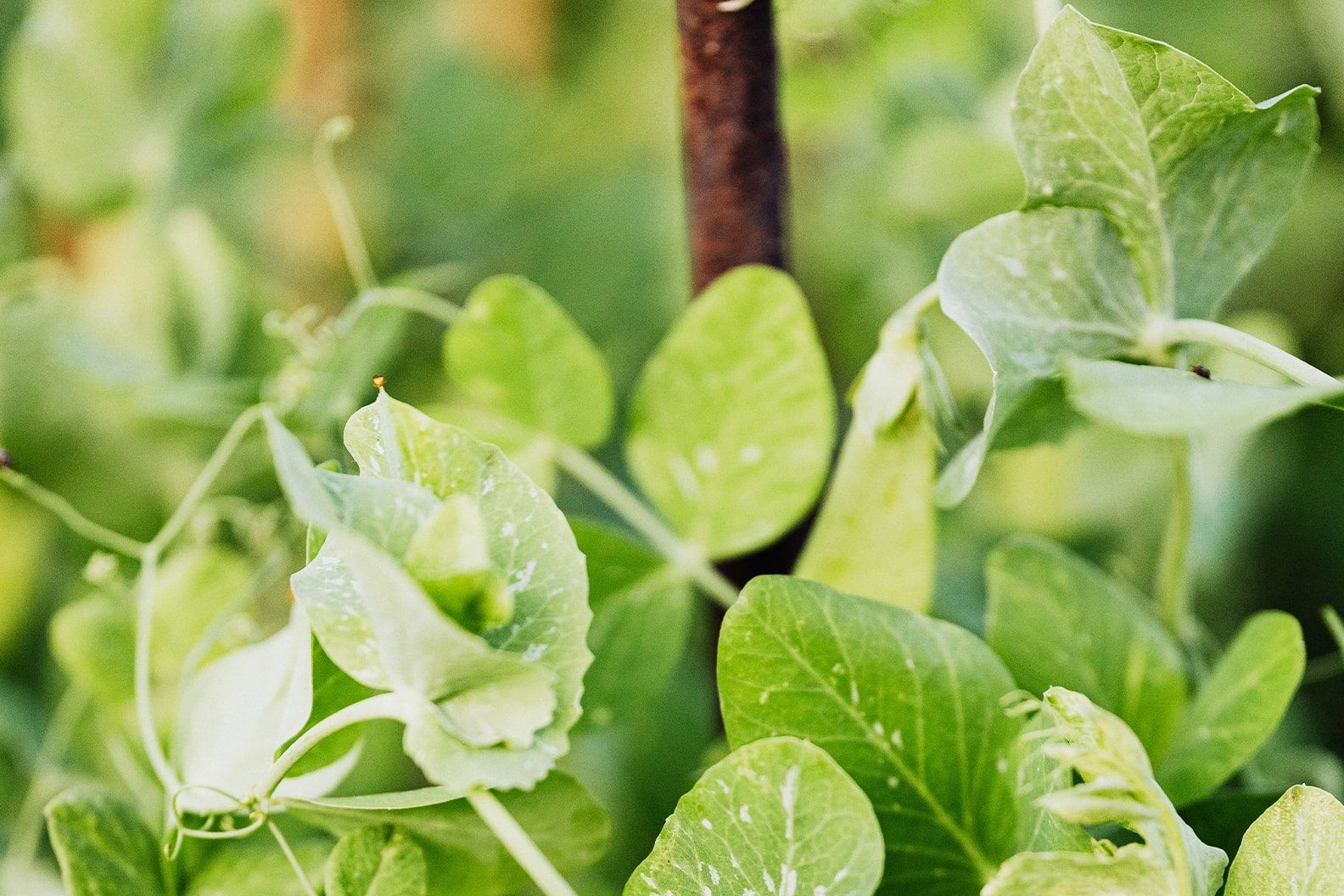
Peas like to climb, so they'll need canes or sticks in the soil to give them physical (and emotional) support. It's also a good idea to protect your peas from pests by using mesh or netting.
You can also purchase some pre-prepared pea plants from your local garden centre. Most edible pea species are annuals, which means that once the harvest is over you'll need to replace the plants for next year.
When to repot peas
You can plant peas seeds outdoors straight away, meaning that you won't need to repot them. If you've started your peas off indoors, you can plant them outside pretty quickly once the seedlings begin to peek out.
How to care for peas
Getting a huge harvest of perfect peas is pretty easy, but they still need a little care and attention. Water your peas regularly enough to keep their soil moist, but not so much that it becomes mushy or waterlogged.
As your plants grow, adjust their mesh or netting to keep them protected. To get a plentiful pile of peas onto your plate, feed them some tomato fertiliser every week once their flowers have emerged.
Dealing with pests and problems
Various critters and conditions can hamper your pea harvest. Here are some of the common problems to watch out for:
- Mice and pigeons – These pesky pea pirates can pilfer your budding crops if you're not careful. Mesh or netting can be a good defence against pigeons, while mice unfortunately need to be caught in traps.
- Pea moths – These insects lay their eggs on flowering pea plants, allowing the larvae to hatch inside the pea pods and devour their contents. Grow your peas under a fine mesh to protect them.
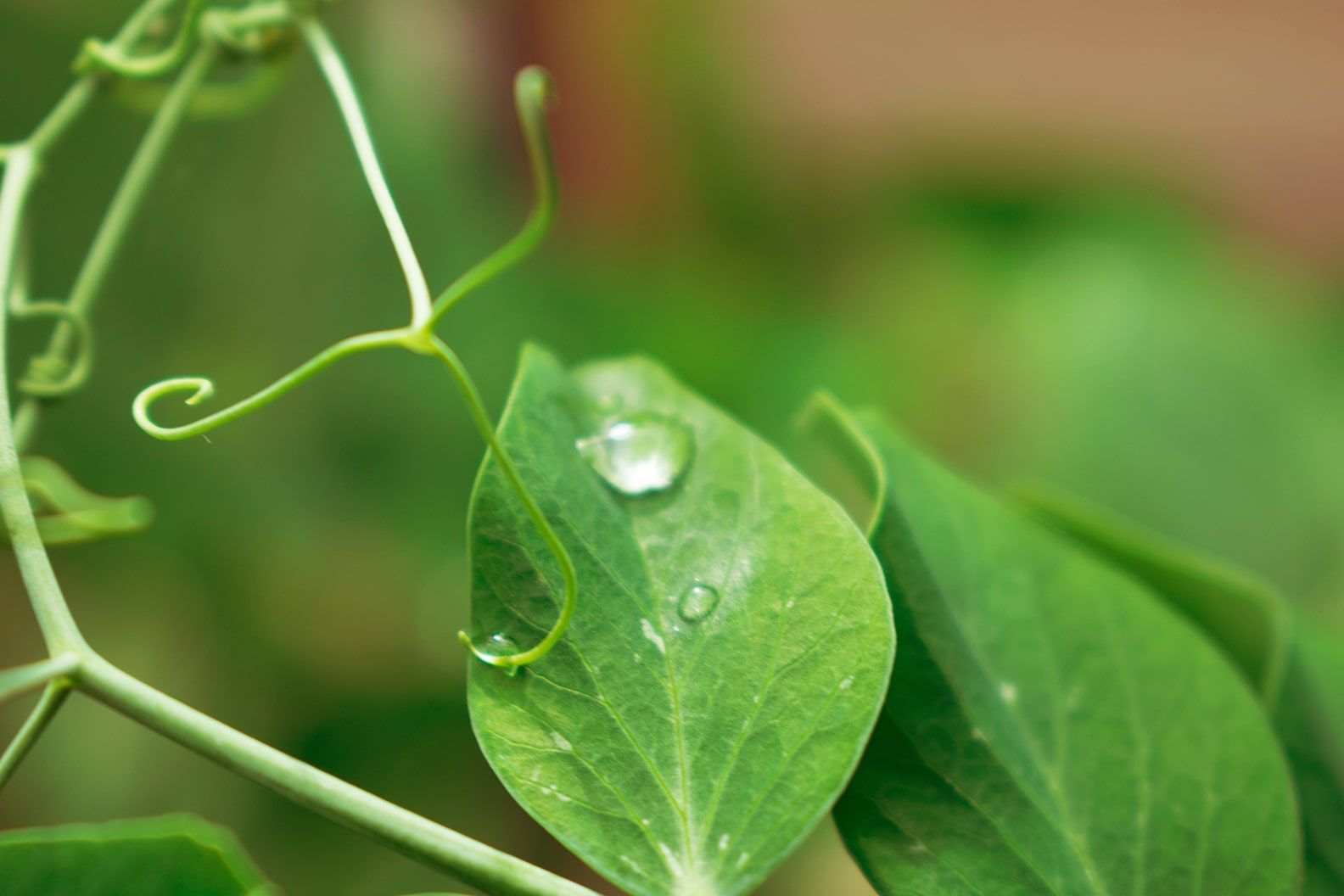
- Powdery mildew – This common fungus can appear as powdery white growths on leaves, causing stunted growth. Keeping the soil moist and planting your peas in a sunny spot will help to prevent mildew.
How to harvest peas
Peas are harvested around three months after being sown. Planting several crops of peas at different times can give you a bumper bounty from June right through to October.
Most varieties can be picked once their pods feel plump and full. For mangetout or sugar snap peas, you should pick them as soon as the pods reach around three inches (7.5 cm) in length.
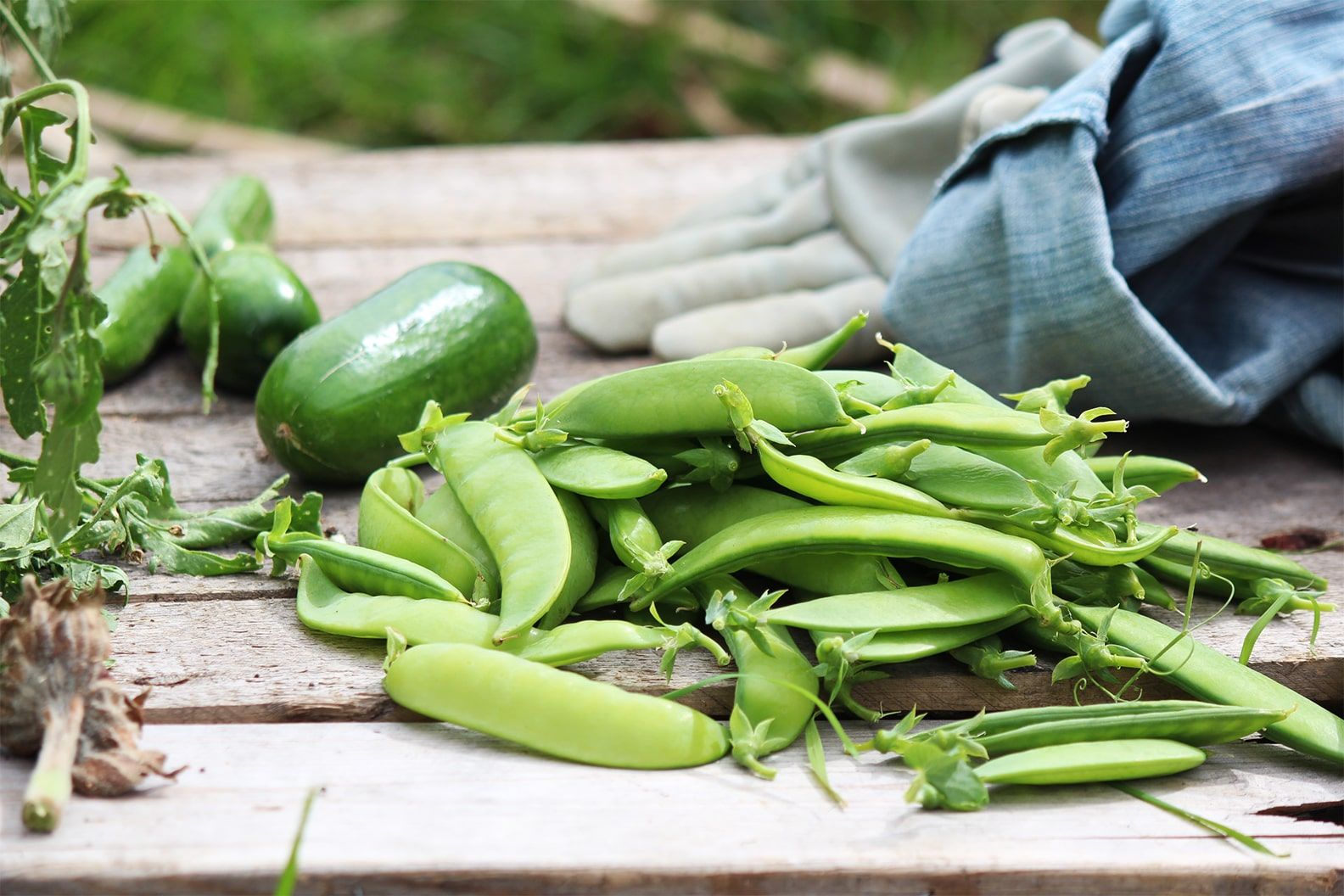
How to use peas
Peas are the quintessential English veg, used to accompany everything from pies to soups. You can also use pea shoots as part of a salad. These crisp, sweet leaves can be collected around six to eight weeks after you planted the pea parent.
Plant tips. Special offers. No spam.