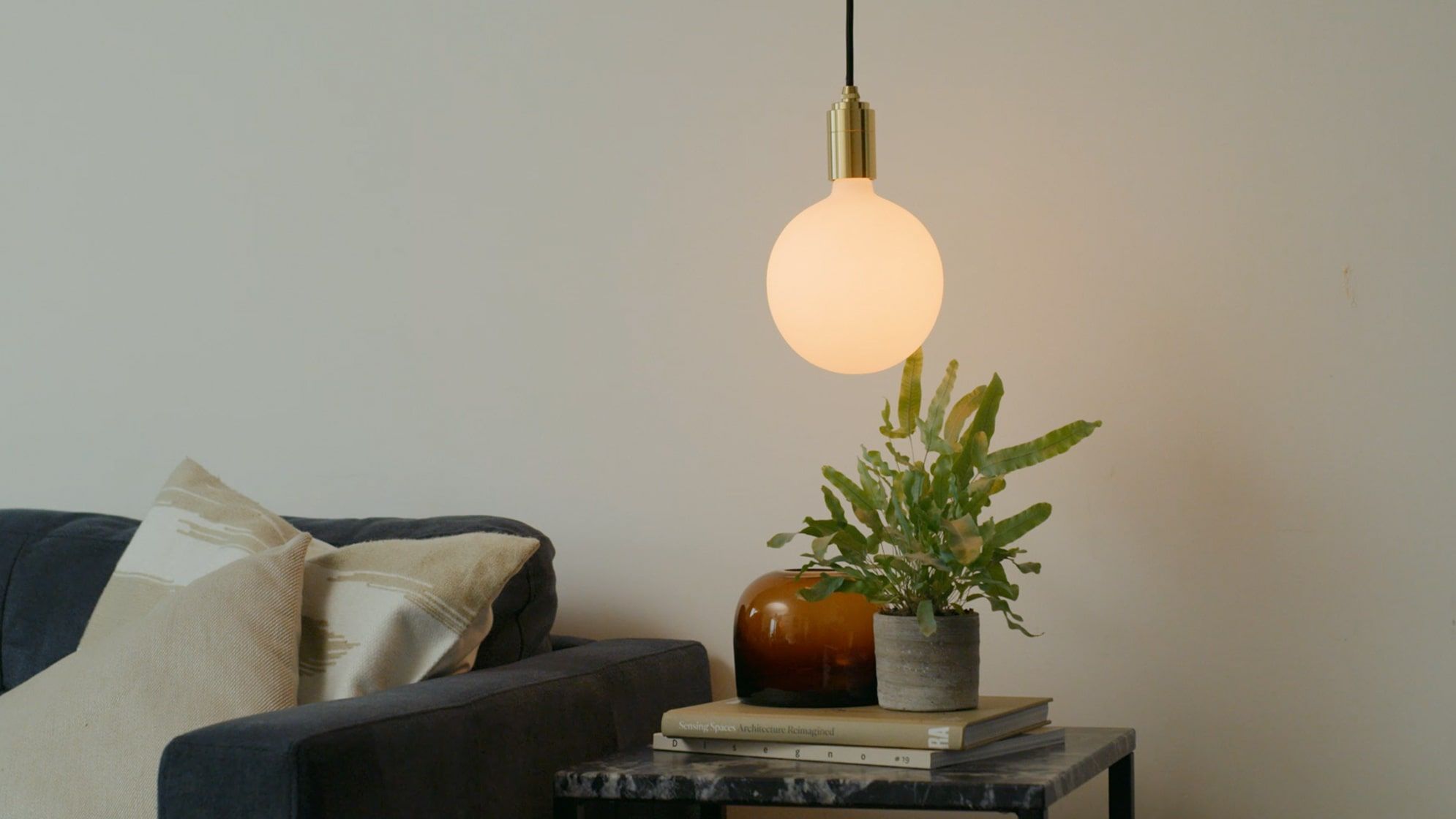
We agree with Frank. Lighting, like plants, can make a space look and feel amazing.
Both have practical and decorative qualities to consider, so we teamed up with our friends at Tala to find the right balance. Here are some tips on creating beautiful interiors with lights and plants.
- Make sure to use good quality LED lighting
- Help your plants with the right balance between natural daylight and artificial LED
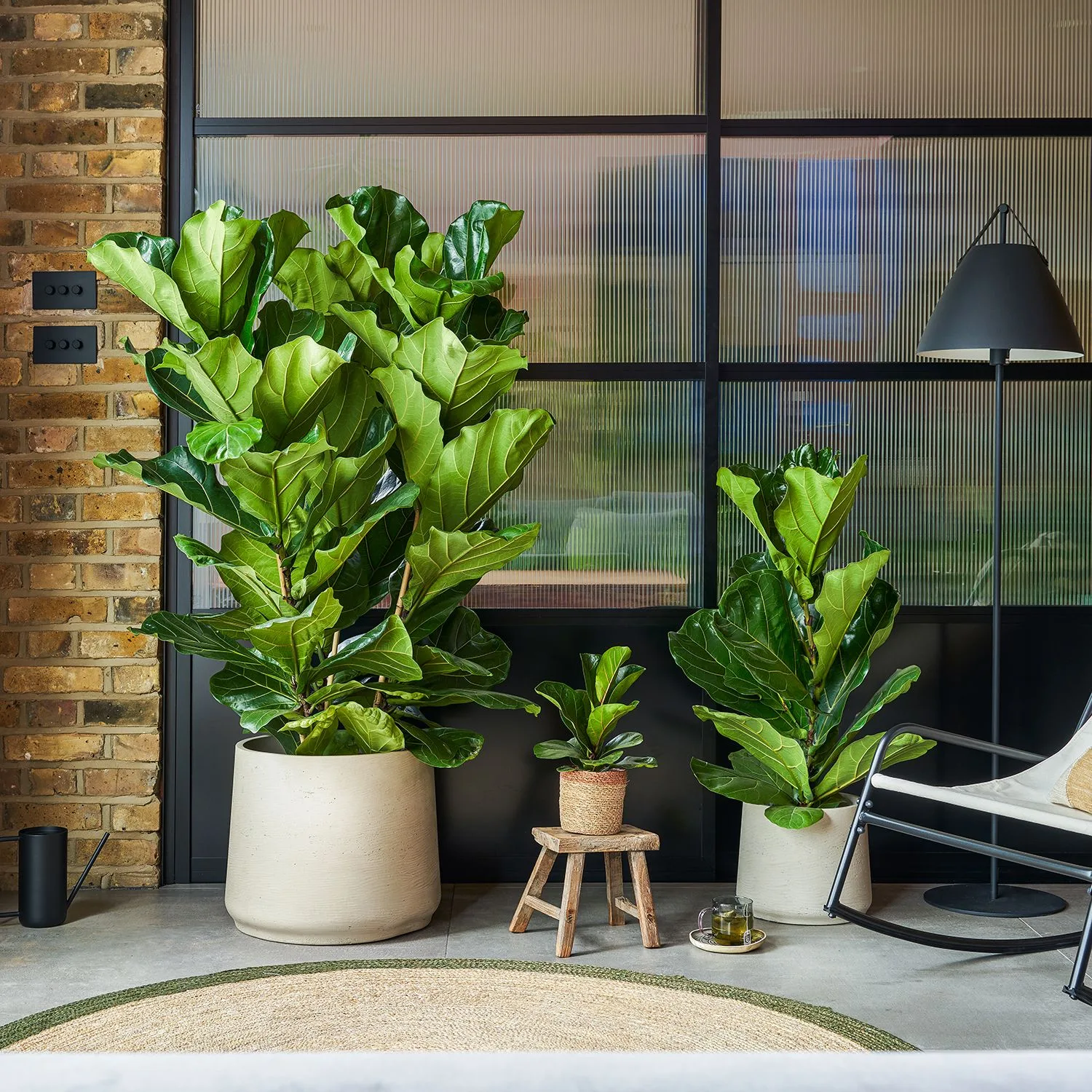
- Style plants and lighting to create contrast and layering
Choose planet and plant friendly lighting
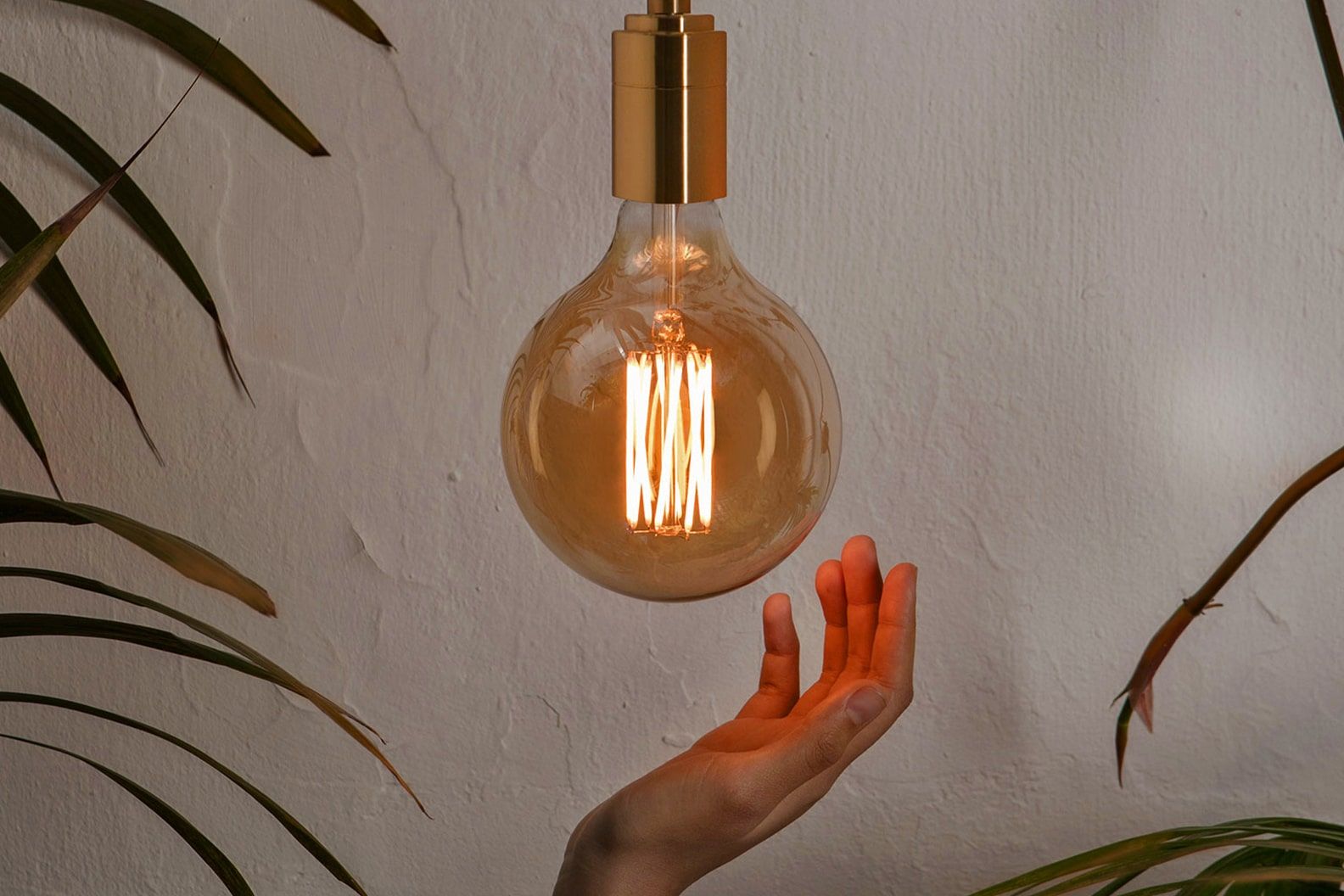
Lighting accounts for ~6% of our global CO2e emissions – that's a lot! That’s why we think it's important to use low-energy lighting like LED in your space. Unlike incandescent or halogen bulbs, a well-made LED produces almost no heat – so you won’t burn leaves or dry out your plants and you can keep lights and plants closer together.
Balance is key
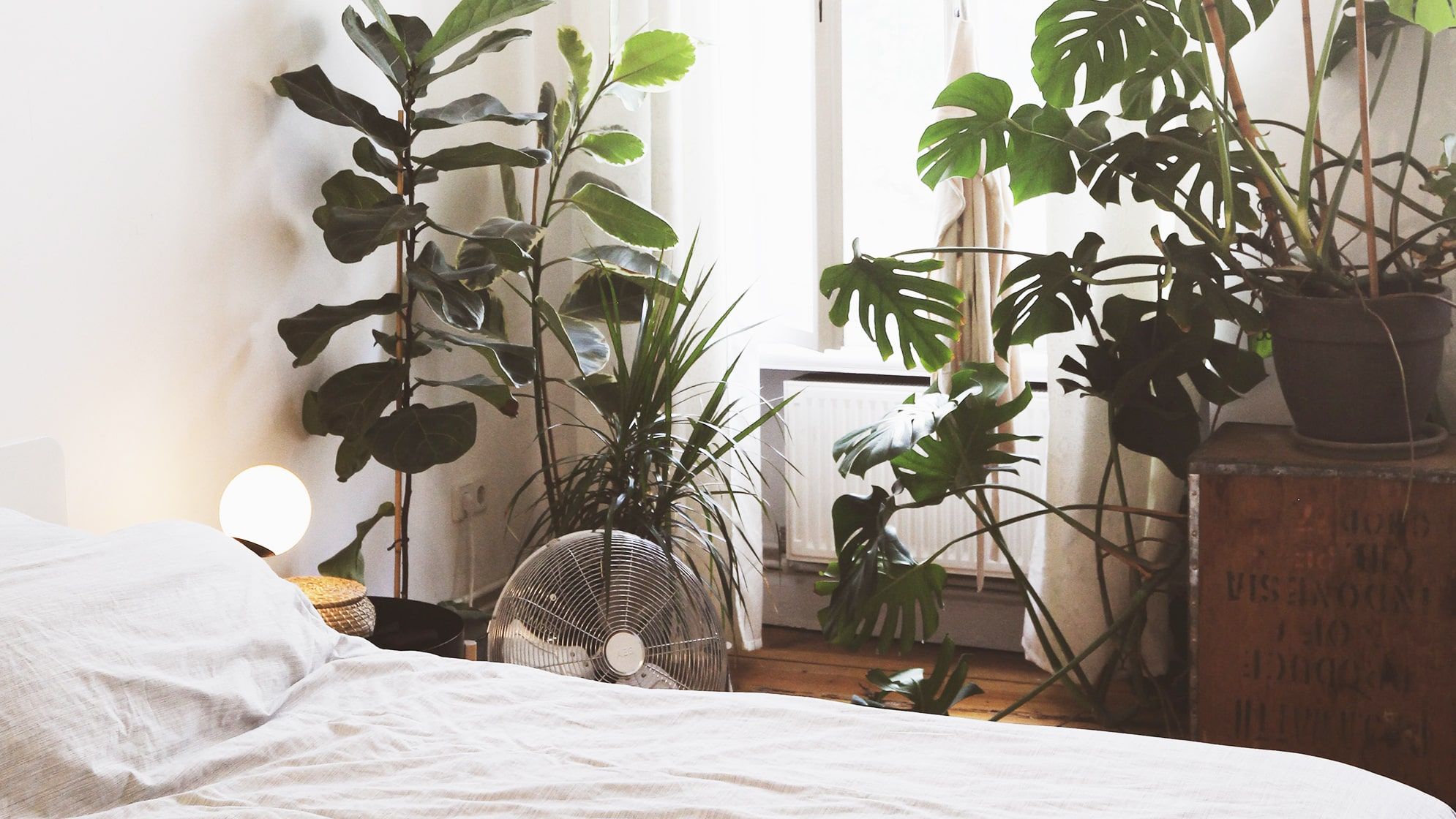
The first port of call is to find the right balance between daylight and artificial light in each room. There are a lot of crossovers in the benefits of good lighting and the calming effect of plants, both indoors and out. Much like plants which need certain light levels, we humans need to consider the intensity and colour temperatures of artificial light in our spaces.
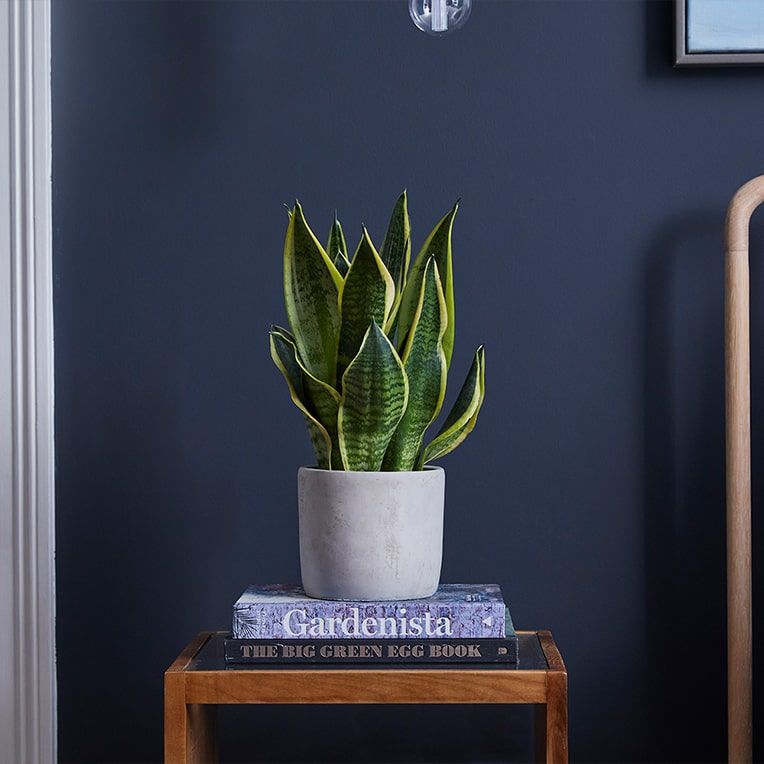
Tala specialises in light that feels natural and doesn't interrupt our sleep-wake cycle, or circadian rhythm. This is our natural 24-hour clock that is influenced by the colour, temperature and intensity of light throughout the day. Snake plants like Susie release oxygen at night, so they’re the perfect companion to your bedside setup. You’ll be sleeping soundly in no time.
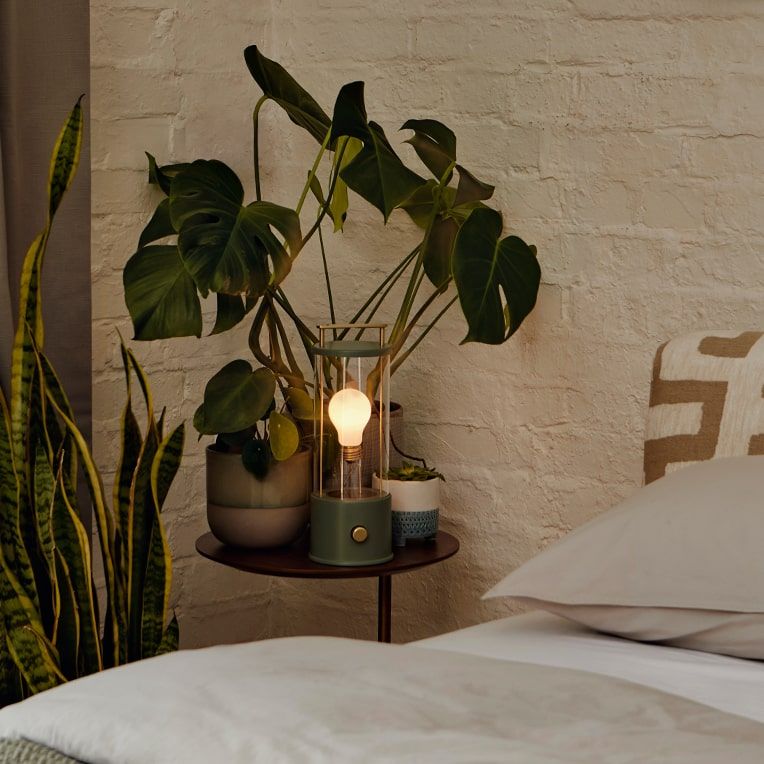
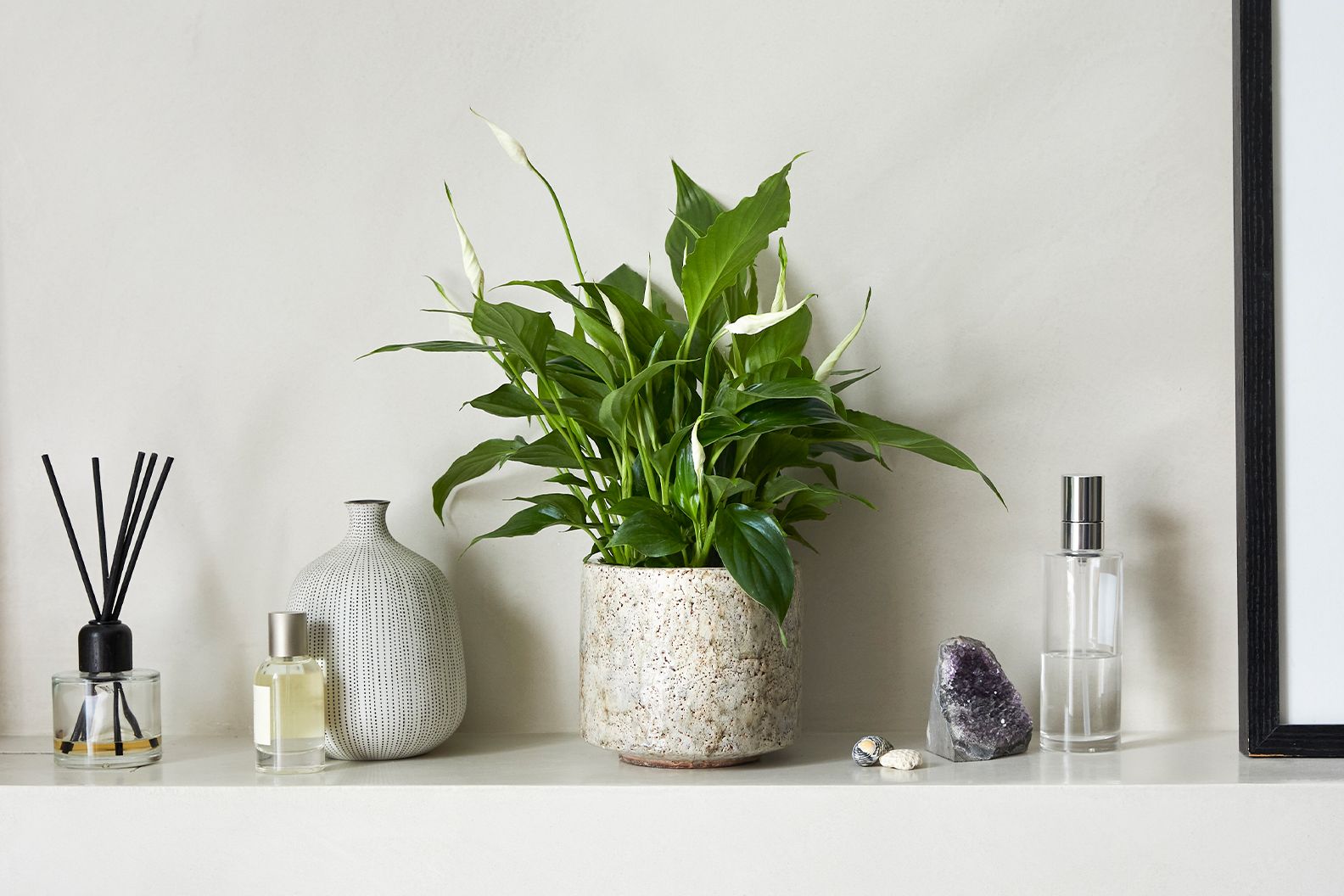
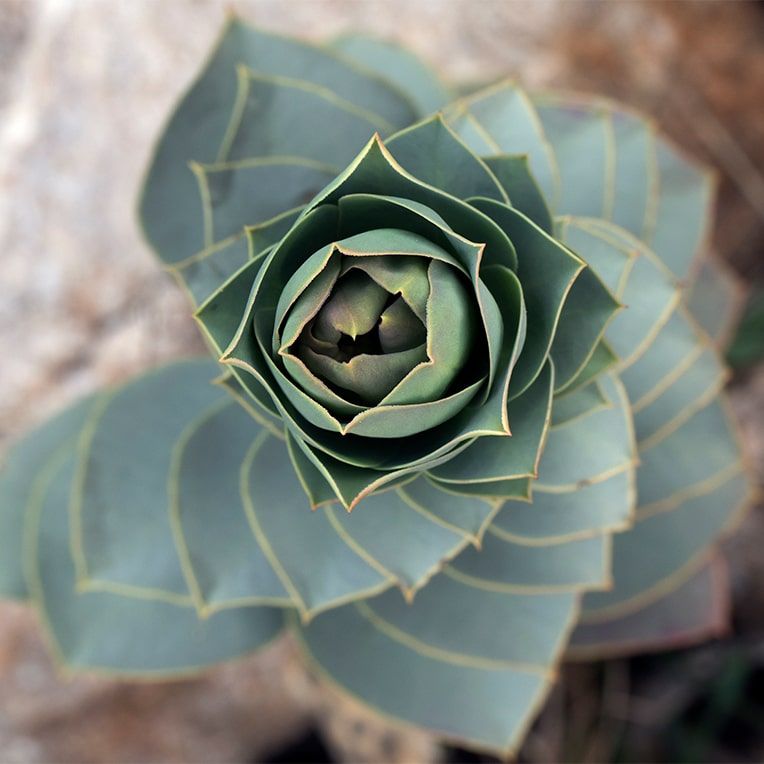
Another approach is to use biomorphic designs – patterns that mimic those found in nature. This can help create a considered look that helps avoid ‘visual noise’. The Fibonacci curl in the Voronoi light was inspired by the spirals found in some succulents or ferns like Bertie the Boston fern, so is a natural plant pairing favourite.
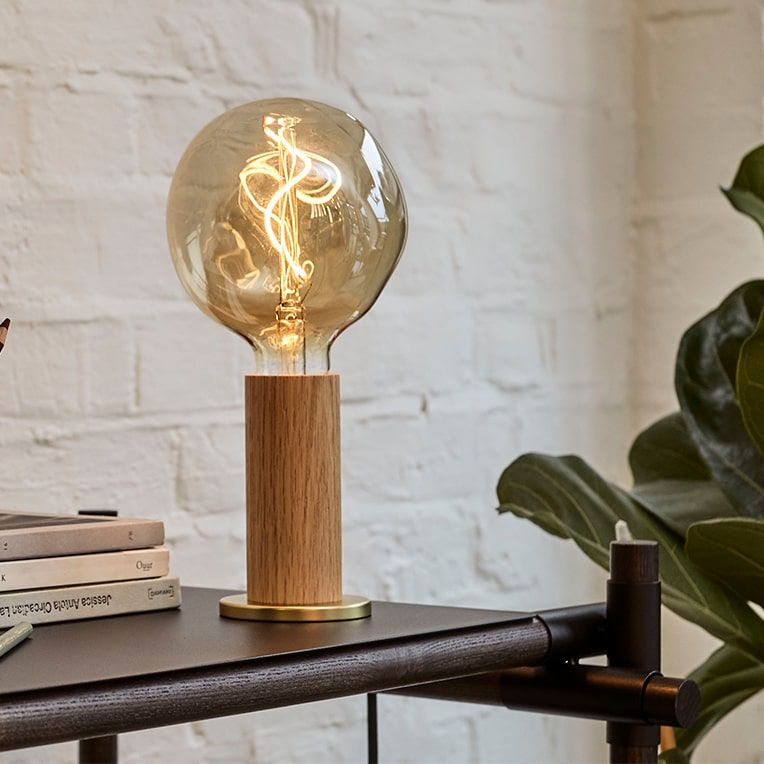
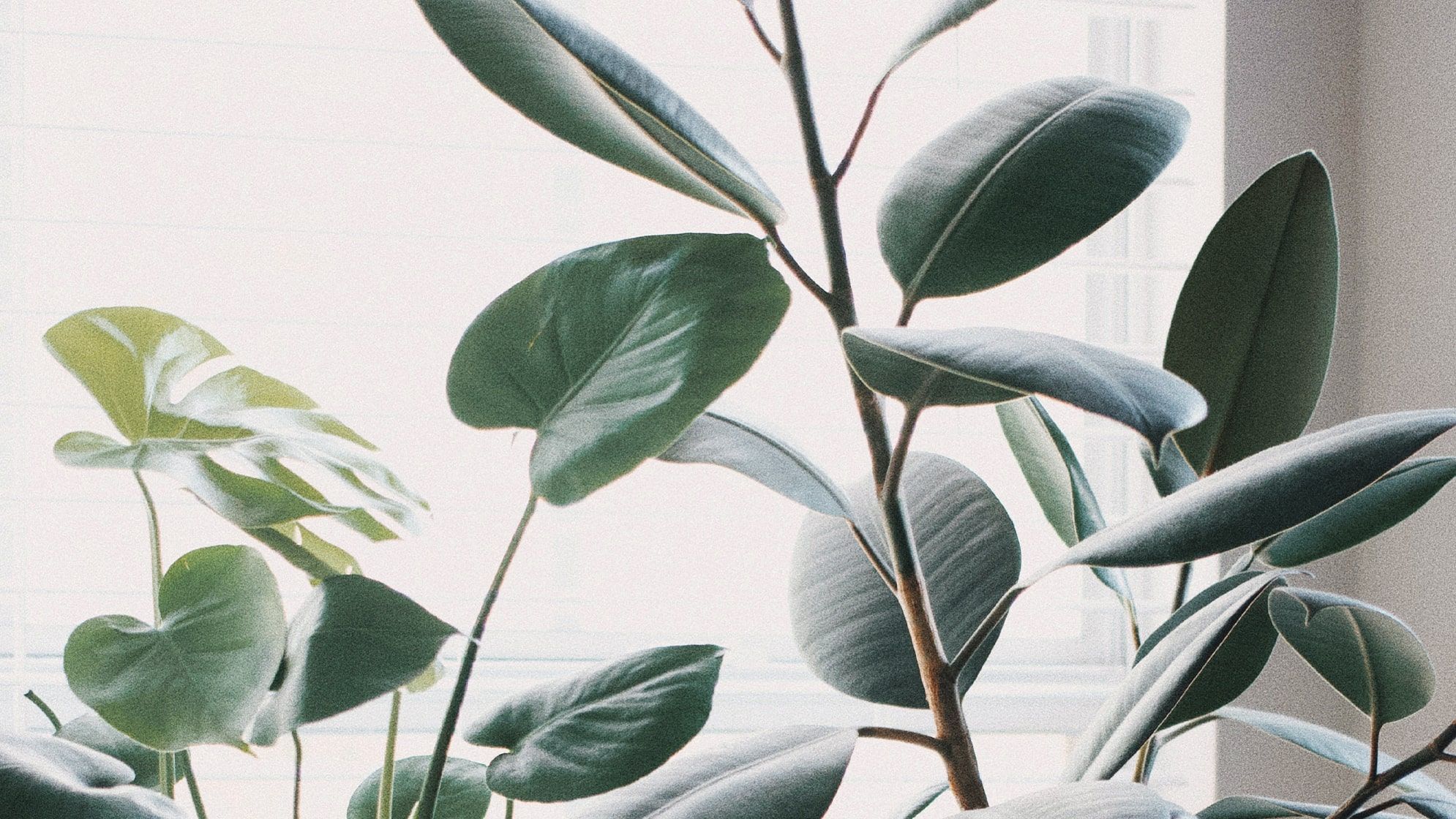
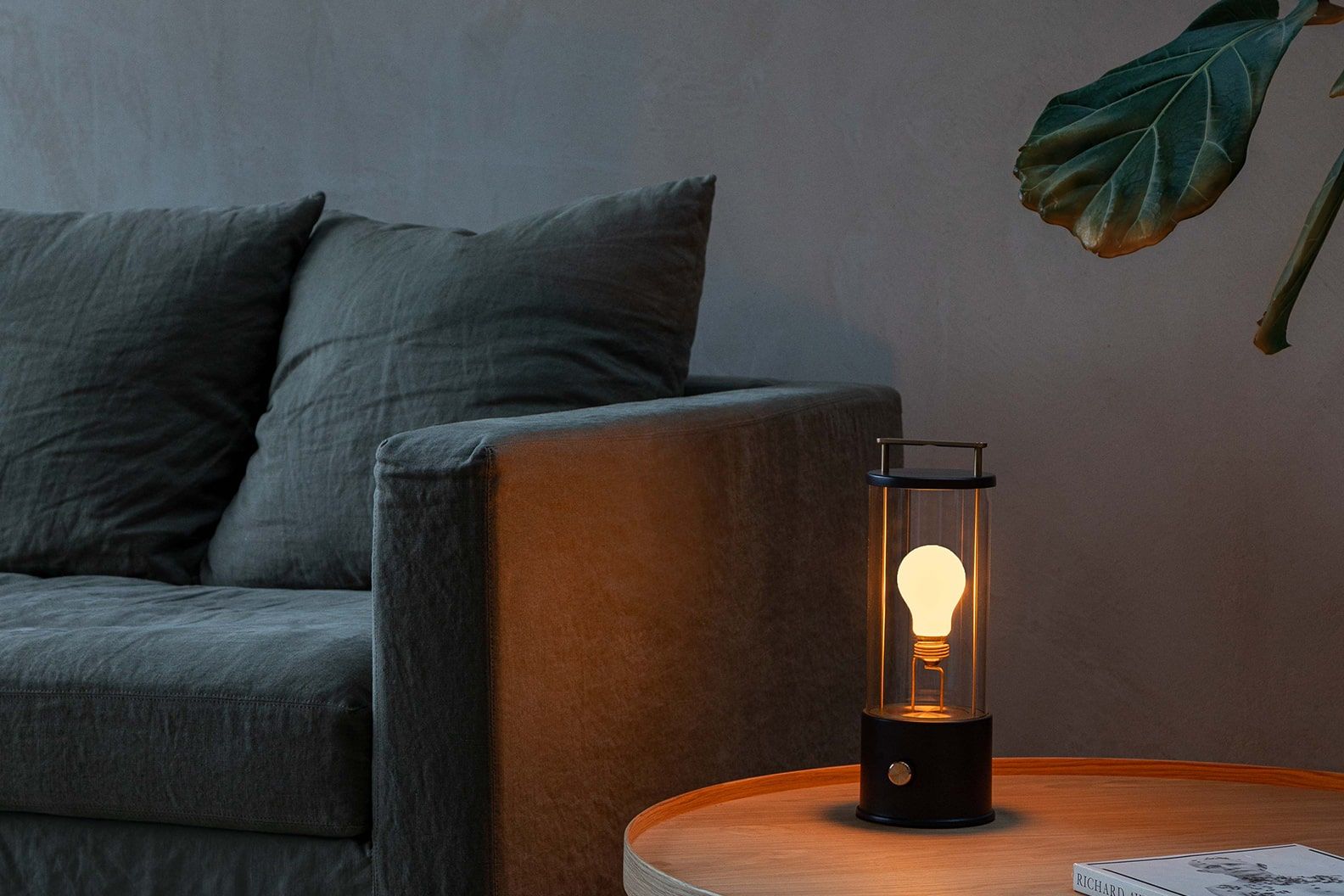
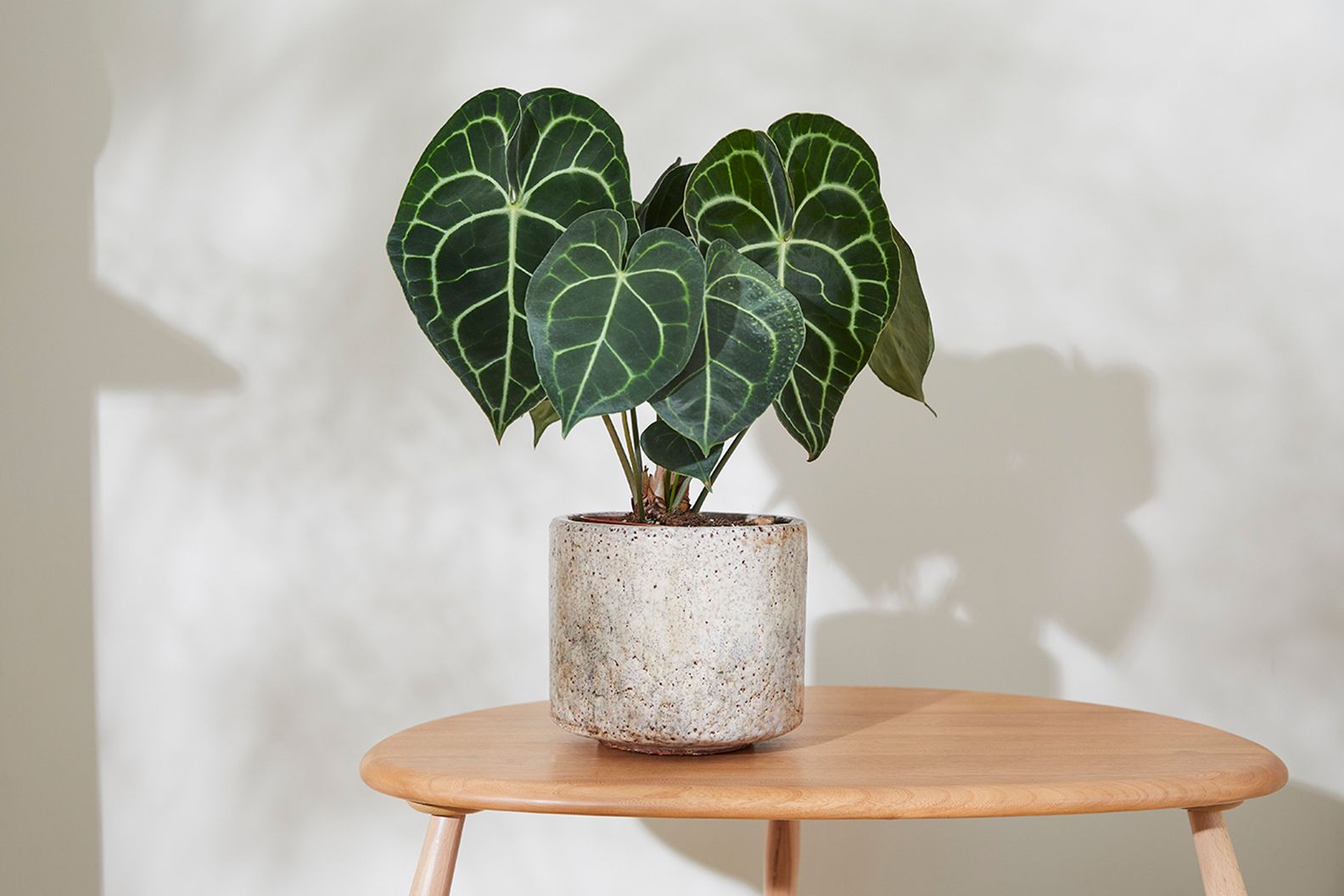
With warm accent lighting it’s possible to extend that ‘golden hour’ glow in your interior space. Plants like anthuriums have interesting textures and surface areas that can reflect soft billowy light and make a space feel extra cosy. These reflective qualities can be remarkably effective when pairing lights and plants in living room corners or on bedside tables.
Written by Josh Ward, co-founder of Tala.
Find out more and follow Tala on Instagram.
Plant tips. Special offers. No spam.