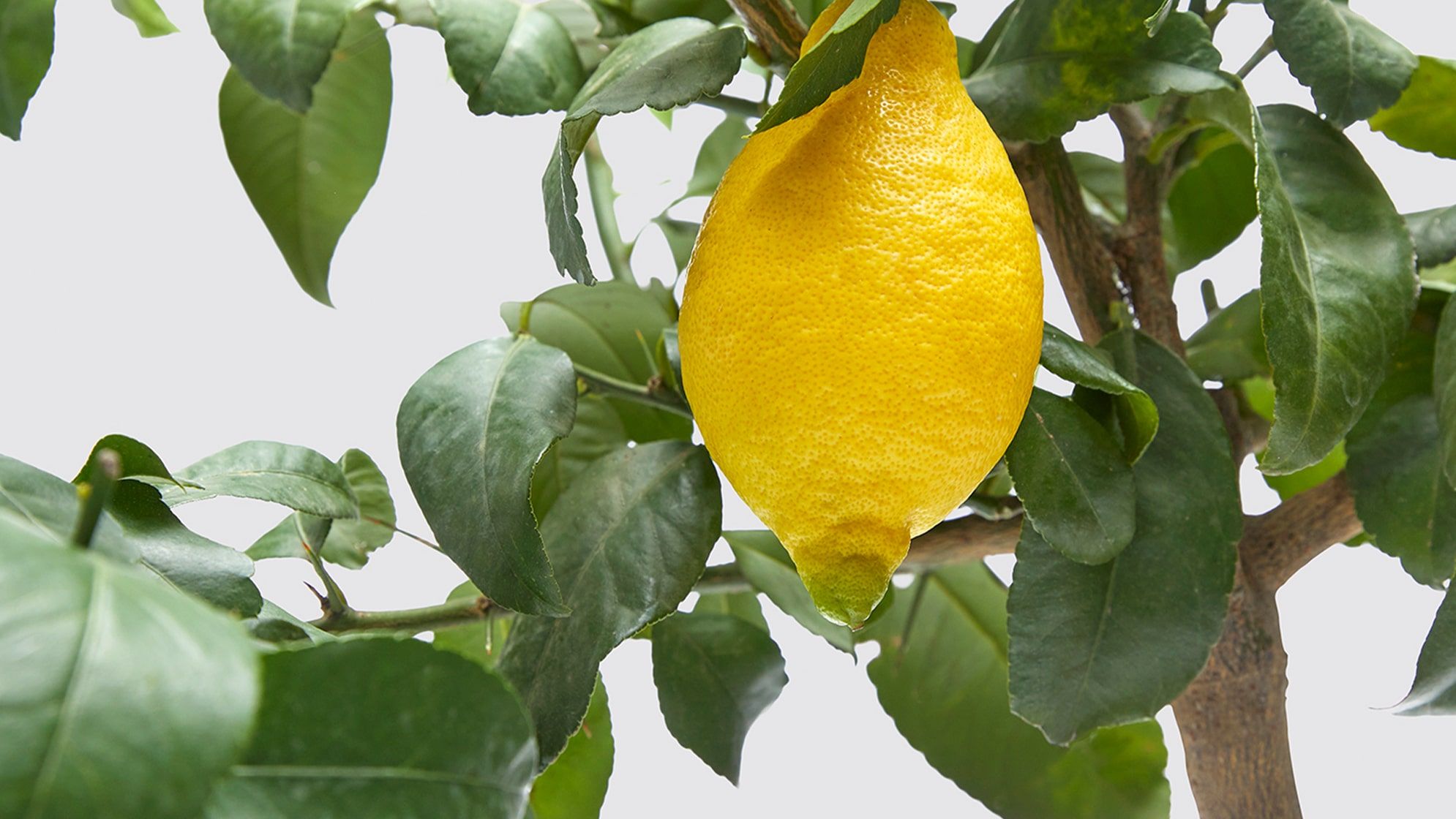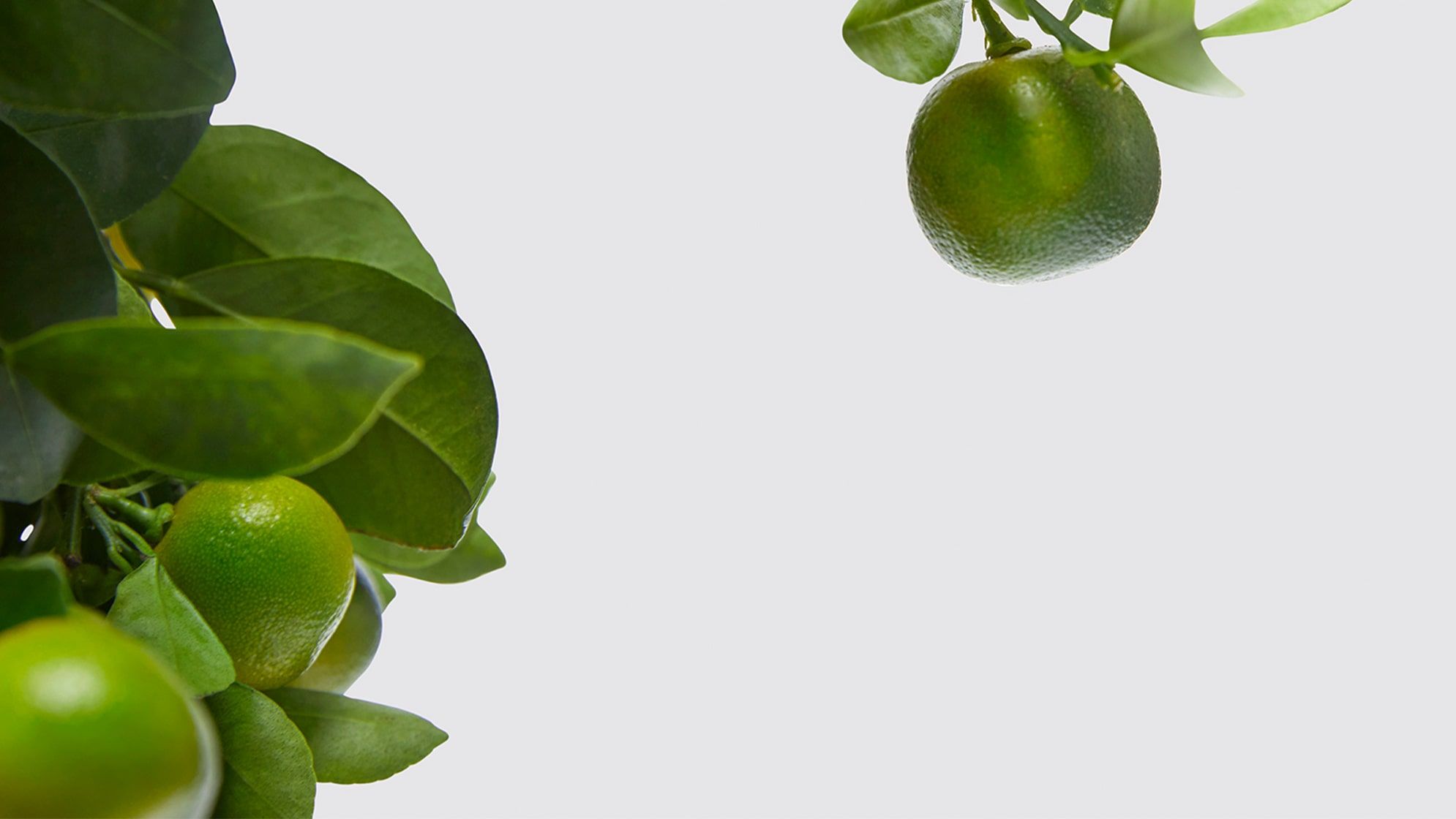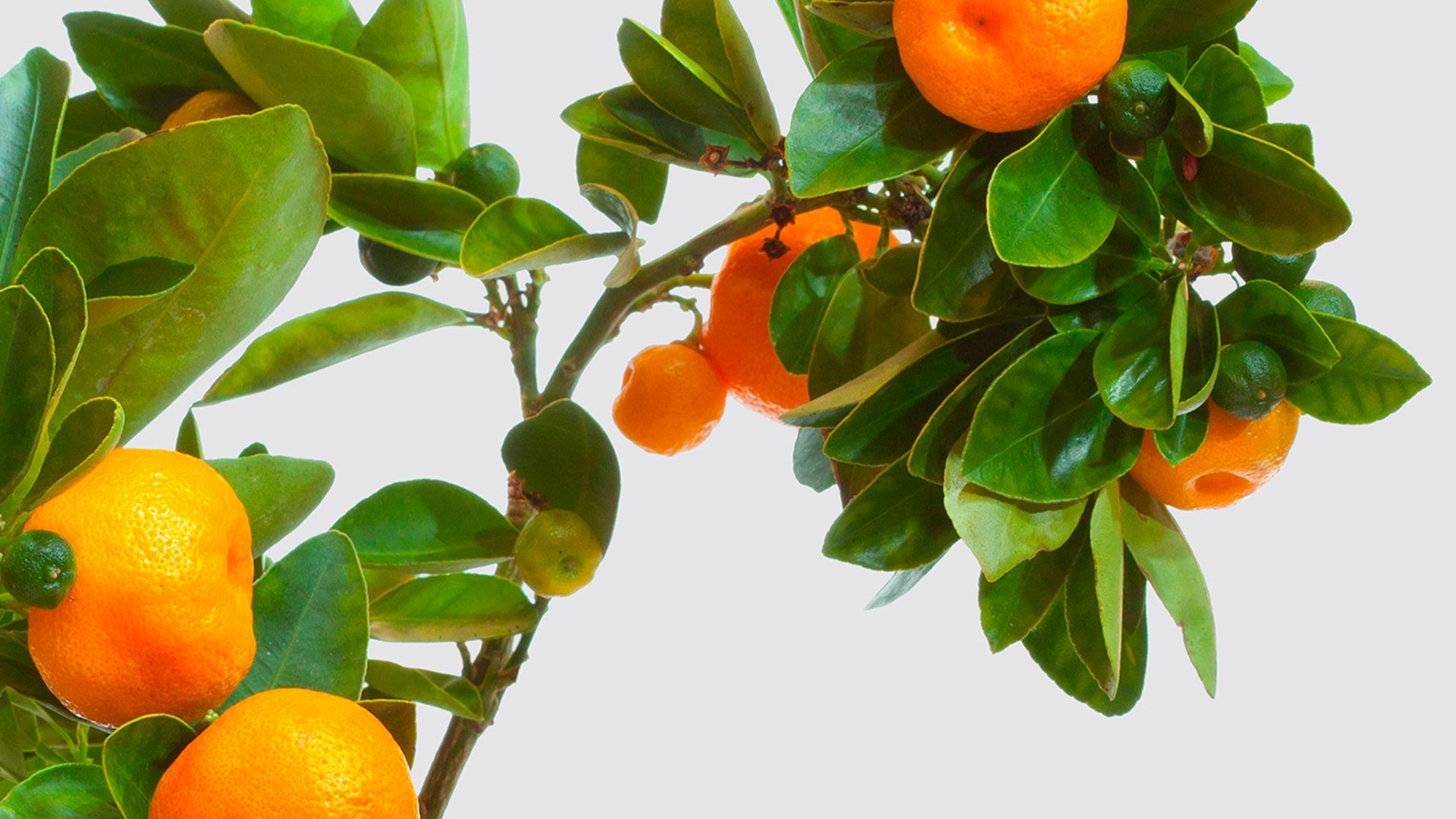
Yes, you can grow your own oranges in the UK, and delicious they are too. Pop Orla, our potted sweet orange tree, in a sunny spot and with a little time, effort and energy, you'll be rewarded with tasty fruit and heavenly scented leaves. Here's how to help your sweet orange tree thrive:
About sweet orange trees
This lovely tree is a hybrid of pomelo and mandarin orange. It produces heavily scented leaves, beautiful flowers and lots of edible fruit. The fruit, which is about the size of a tangerine, appears after the flowers and takes around a year to ripen. While the sweet orange is a hybrid, rather than a naturally occurring fruit, it has been around for a very long time. The first recorded mention was in 314 B.C.
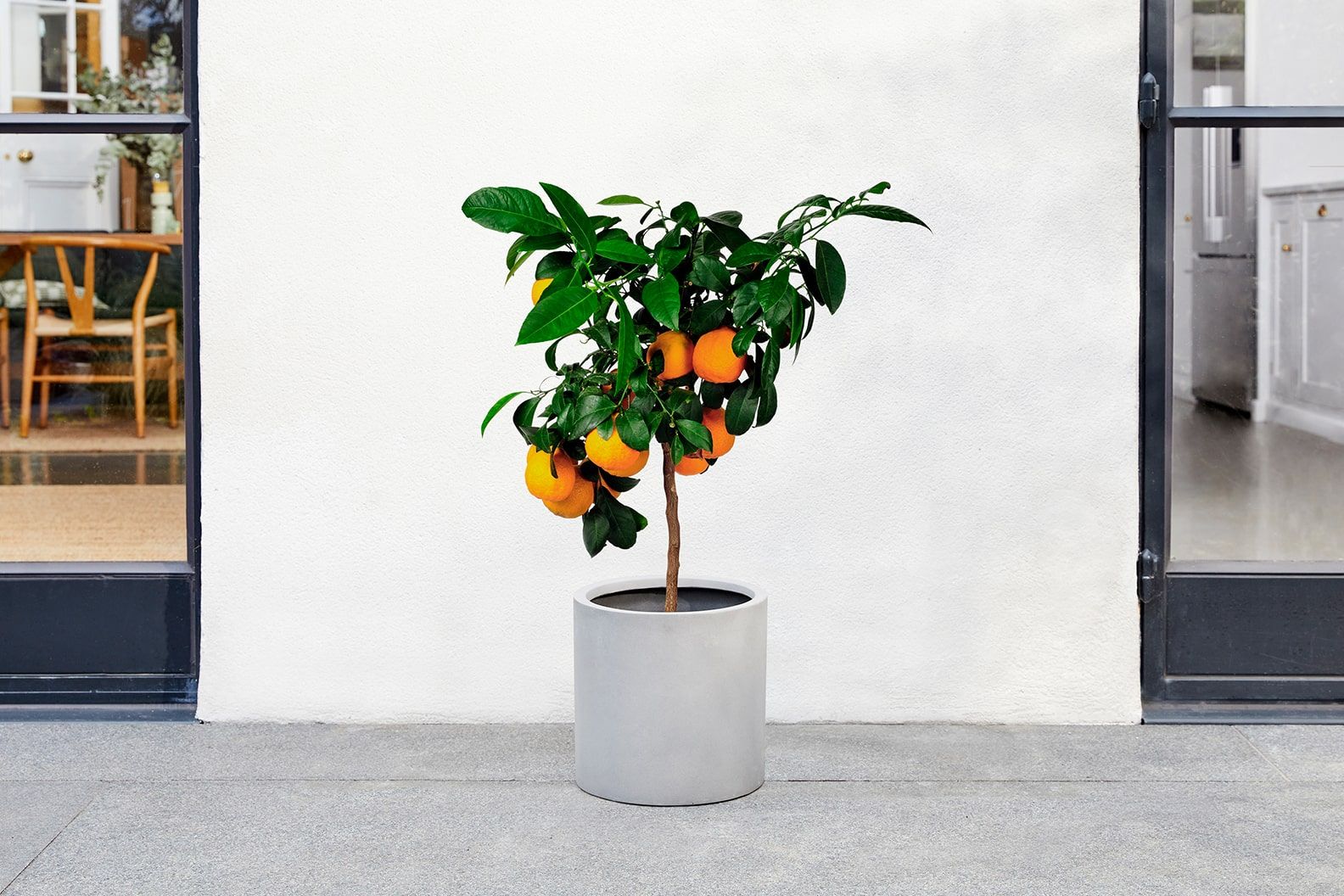
What's the best location for my sweet orange tree?
If planting your sweet orange tree, choose a spot in full sun and in well-draining soil. When planting, make sure the root ball is buried no more than 1 inch below the soil surface. For potted sweet orange trees, give your tree plenty of sunshine - the more sun it gets, the sweeter the fruit.
How often should I water my sweet orange tree?
Sweet orange trees require regular watering in order to thrive. It's important to keep the soil moist, so during the summer months water the tree every 5-7 days (or more regularly if it's really hot). In the winter months, you can water the tree every 2-3 weeks.
What's the best temperature for my sweet orange tree?
This is a sun-loving plant, so it won’t enjoy being out in really cold winter temperatures (it's not keen on anything below about 10°C). Bring it inside for winter, until the weather gets nice and warm, probably in about May or June. When moving your sweet orange tree inside or outdoors, introduce it slowly. For example, take your tree outside during the day for a week or so before moving it permanently outside for summer. In winter, bring your tree inside at night for the first week. This will help your tree acclimatise to its new environment. A sweet orange tree will particularly enjoy a spot near a bright window, but away from radiators.
Should I fertilise my sweet orange. tree?
Sweet orange trees should be fertilised weekly in spring and summer with a balanced fertiliser or citrus tree specific feed. This will help it grow blooms, and eventually fruit. You don't need to worry about fertilising in winter.
Do I need to prune my sweet orange tree?
Prune sweet orange trees in the spring and again in the autumn. Pruning should be done to remove dead or damaged branches, to thin out the canopy, and to promote new growth.
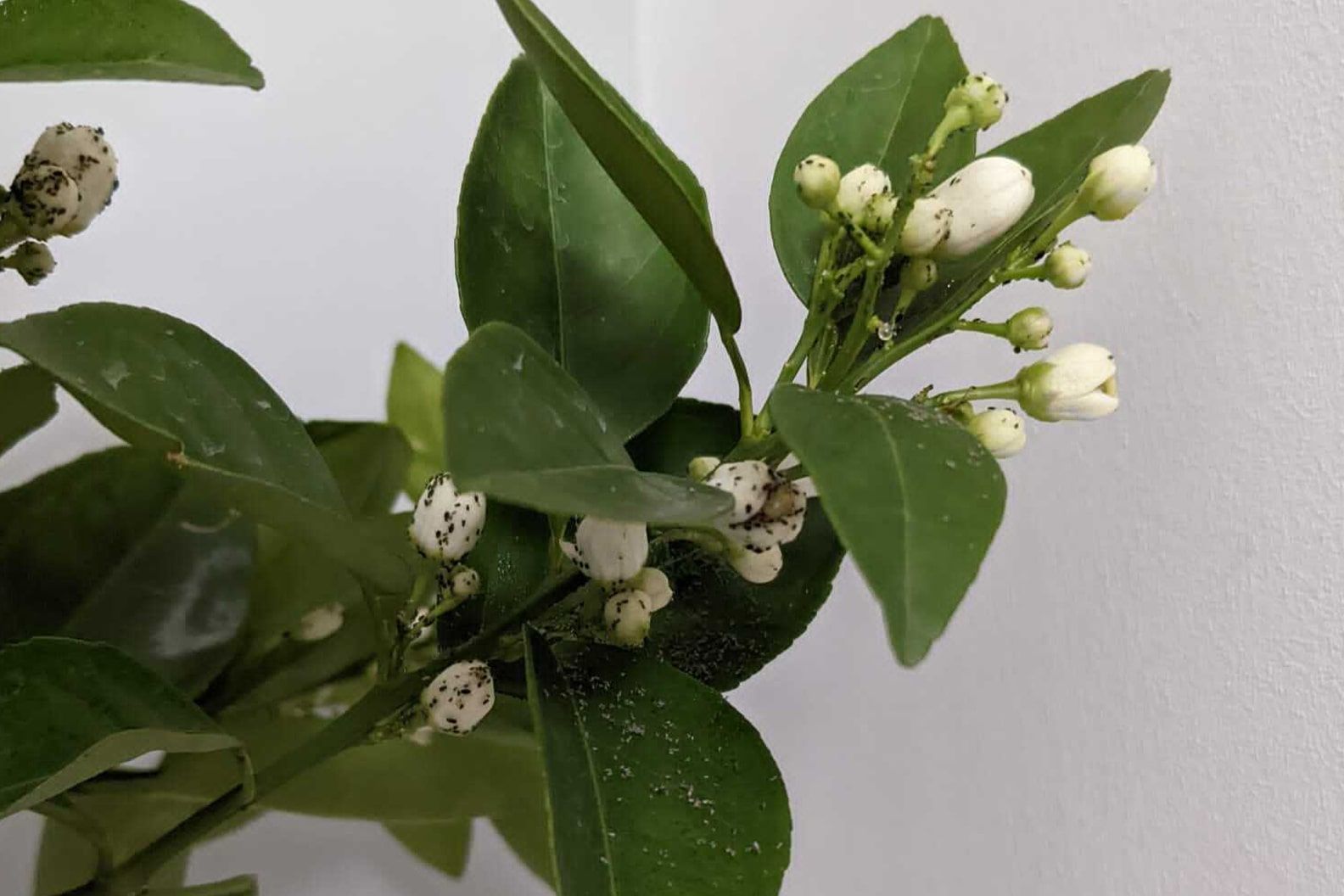
Common sweet orange tree pests and diseases
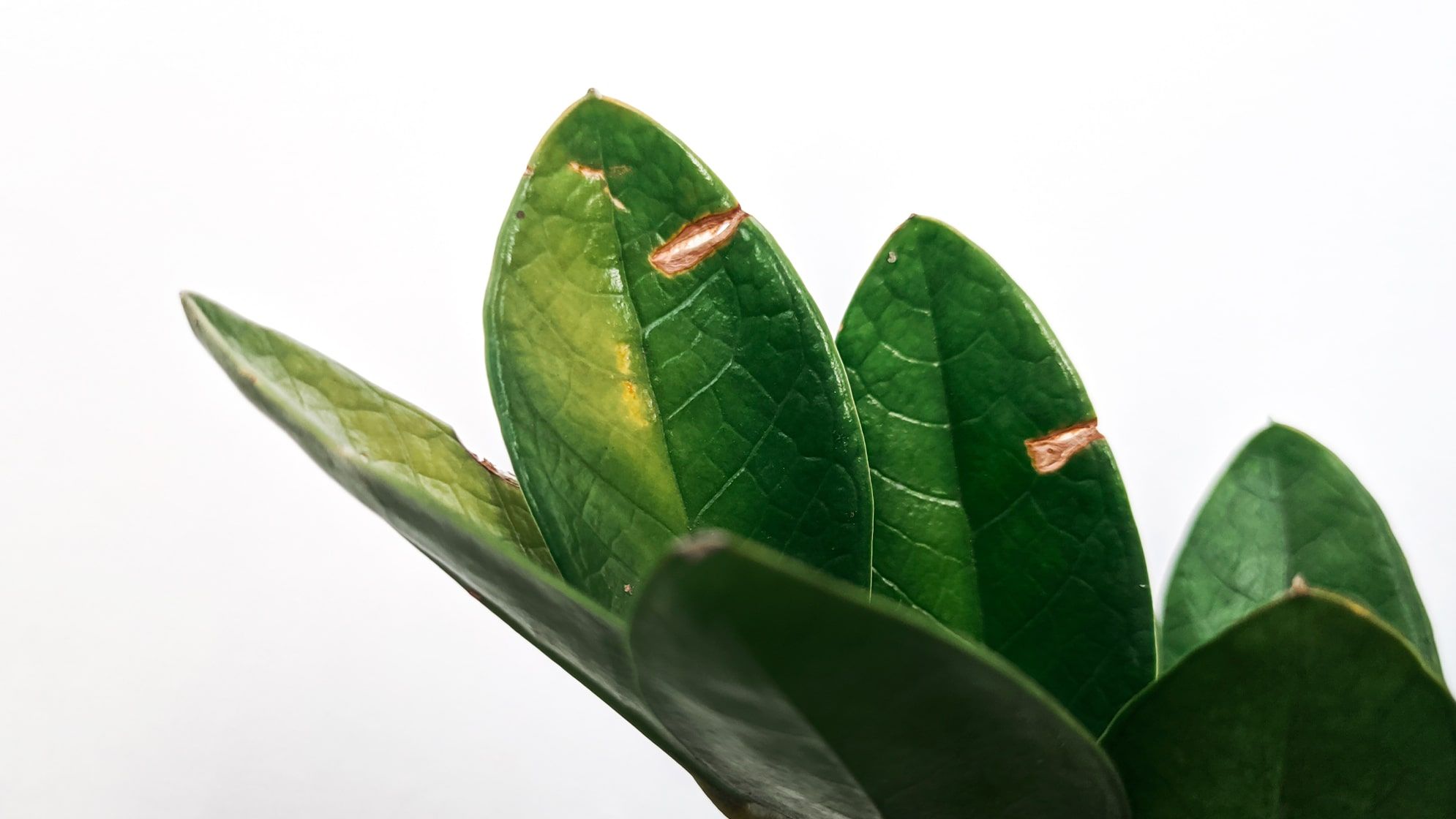
Sweet orange trees are susceptible to various pests and diseases. Regularly inspect the tree for signs of pests or diseases and treat accordingly.
How do I harvest fruit from my sweet orange tree?
Sweet oranges can be harvested when they are bright orange and firm to the touch. Be sure to wear gloves when harvesting, as the juice can cause skin irritation.
Plant tips. Special offers. No spam.