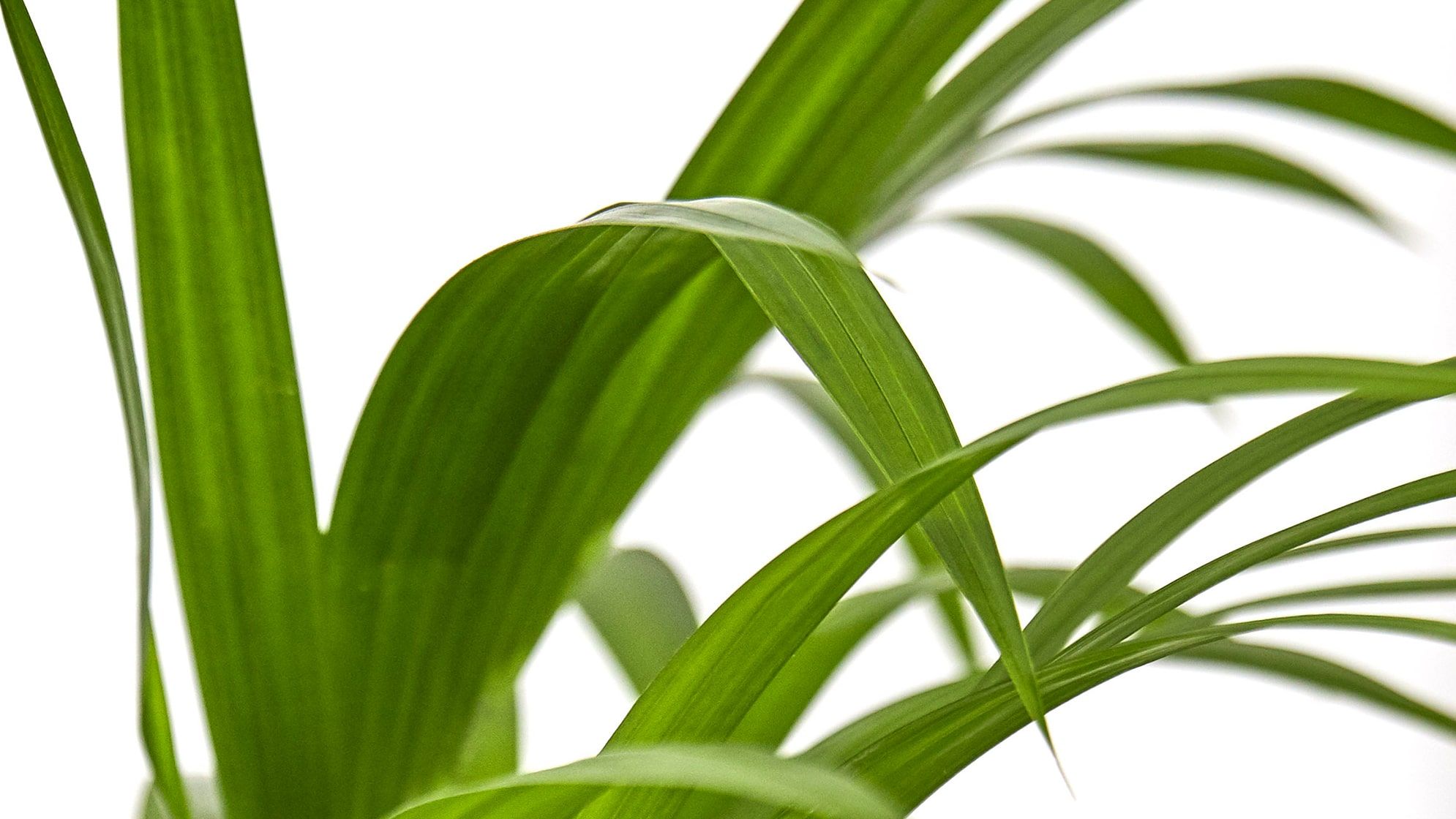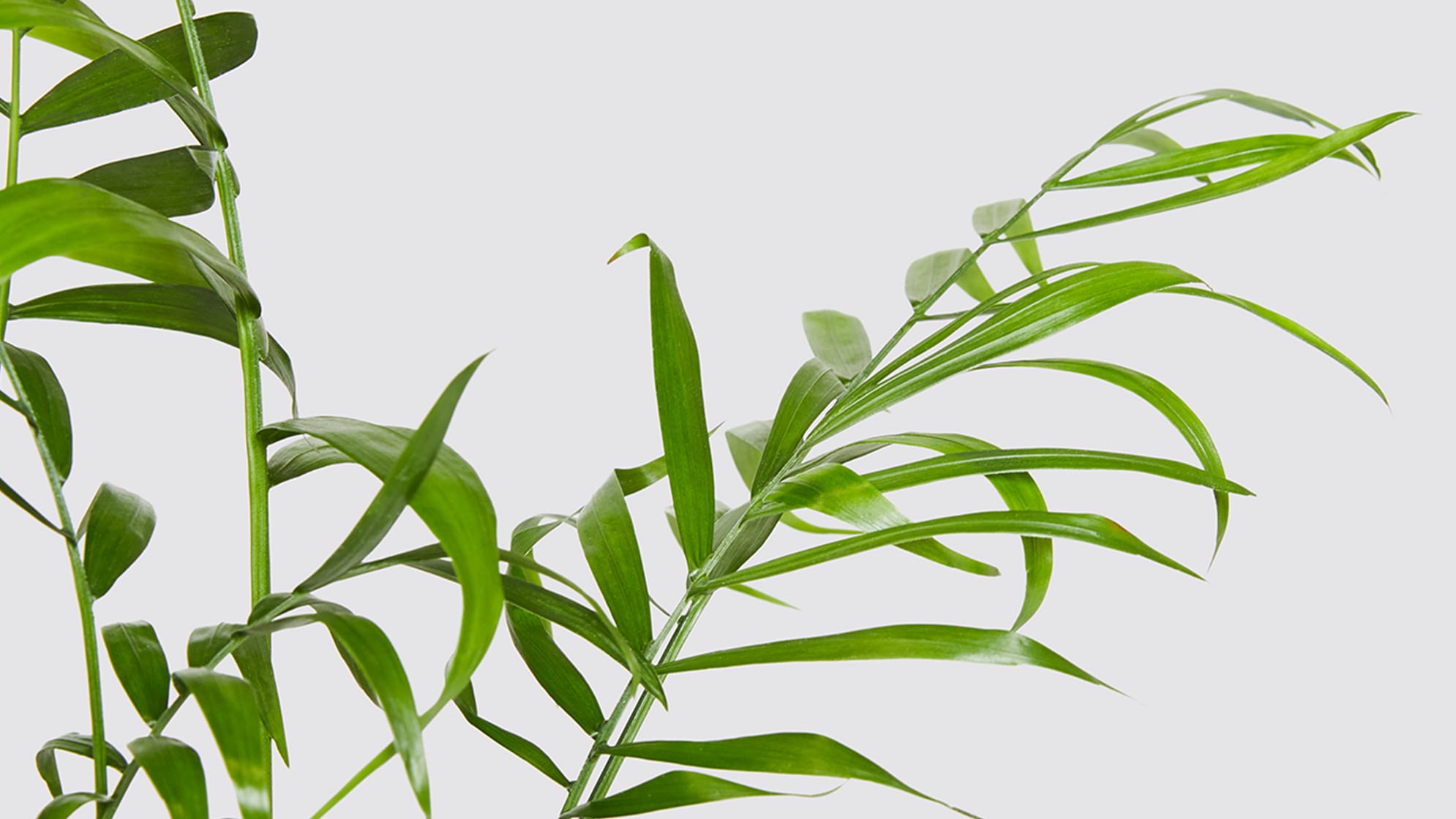
Parlour palms (chamaedorea elegans) are one of the most popular houseplants in the world. These small, elegant palms are perfect for adding a tropical touch to any home. With their graceful, arching fronds and compact size, they are sure to make a statement wherever you place them. Here's our top tips for keeping them happy and healthy:
About parlour palms
In the wild, you’ll find this plant growing primarily in Mexico and Guatemala, but it’s been beloved as an indoor plant around the world since Victorian times. For Victorians, the parlour was the best room in the house, where you would receive your fanciest visitors and display your fanciest possessions. This exotic palm in your parlour would suggest you were worldly and sophisticated, hence the name parlour palm. Sharon, our parlour palm, has all of the glamour but none of the fuss.
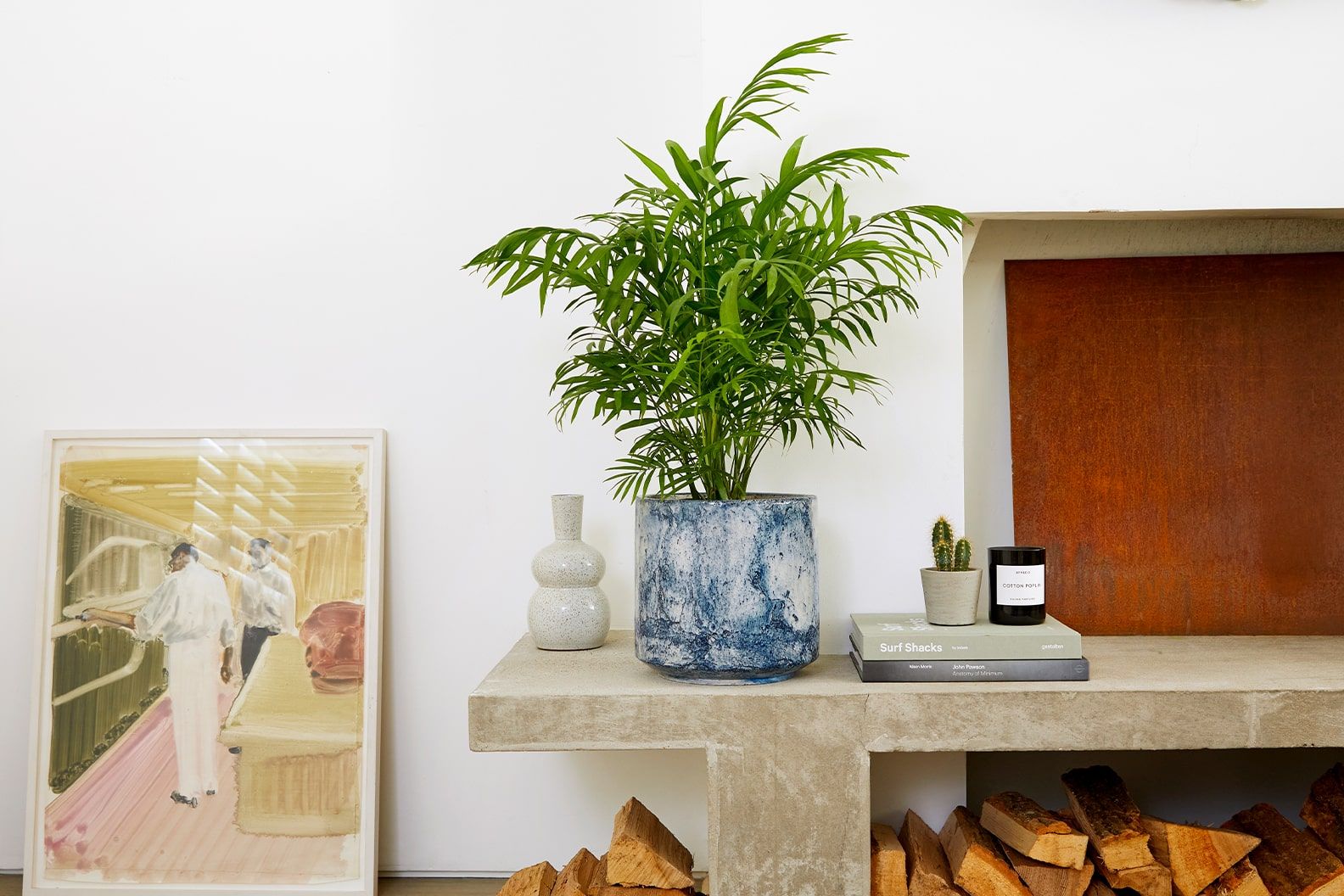
How much light does my parlour palm need?
Parlour palms prefer bright, indirect light. Place your plant near a window that receives plenty of natural light, but be sure to keep it out of direct sunlight. Too much sun can cause the leaves to turn yellow and burn.
How often should I water my parlour palm?
These plants prefer to be kept evenly moist, so water them when the top inch of soil feels dry. Be sure to empty any excess water from the bottom of the pot after watering. Parlour palms are sensitive to chlorine and fluoride, so if possible, use filtered or distilled water for your plant.
What type of soil does my parlour palm need?
Parlour palms prefer a well-draining soil mix. A good mix for these plants is one part potting soil, one part perlite, and one part peat moss, but any well-draining houseplant mix will be fine.
Should I fertilise my parlour palm?
Fertilise your parlour palm once a month during the growing season (spring and summer). Use a balanced, water-soluble fertiliser at half-strength.
Does my parlour palm need a humid environment?
These plants prefer high humidity, so try to keep the humidity levels around your plant above 50%. You can mist the leaves of your plant regularly, or use a humidifier to increase the humidity in the room. Parlour palms will love naturally humid environments like the kitchen or bathroom.
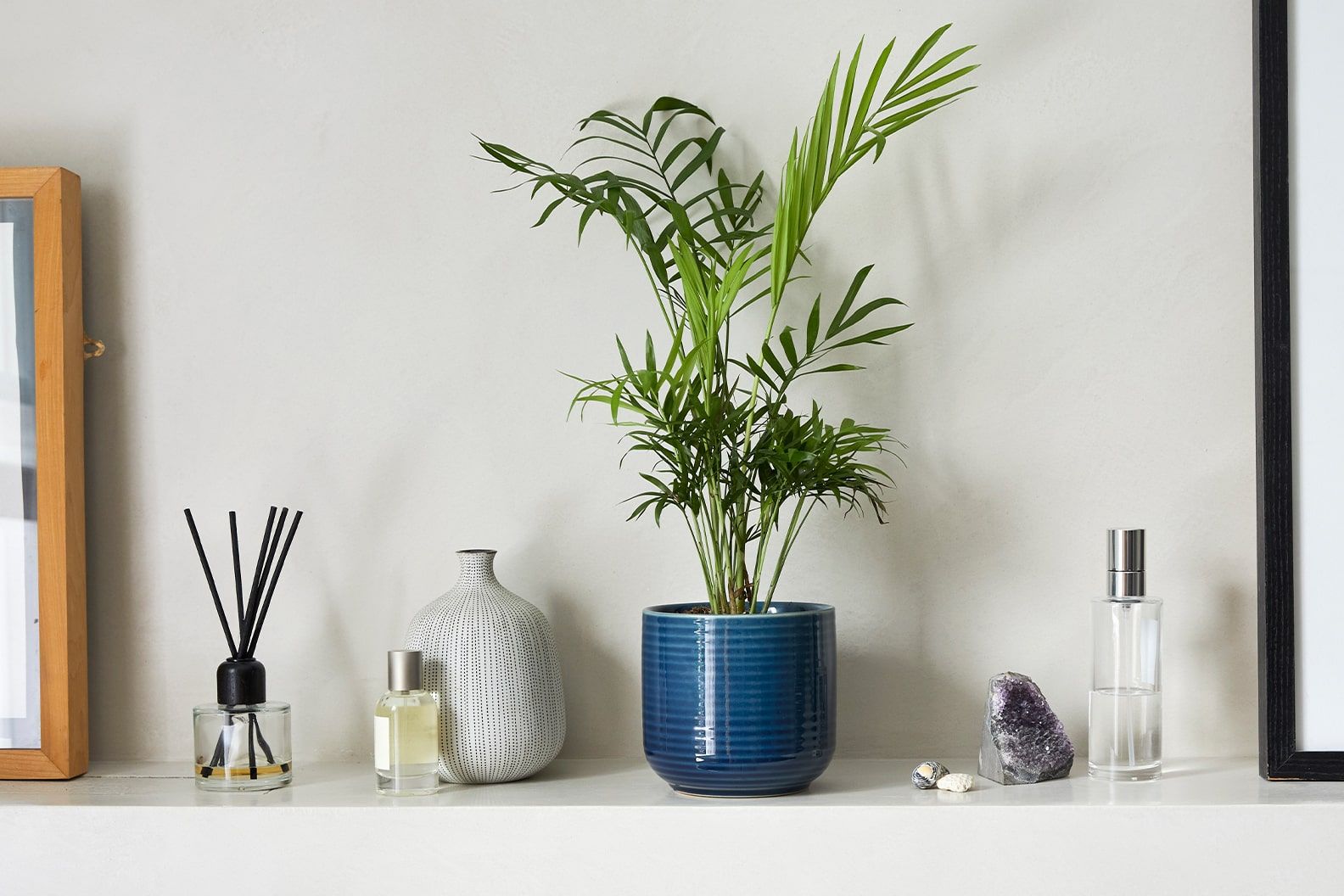
What's the best temperature for my parlour palm?
Parlour palms prefer warm temperatures between 18-24°C. Avoid placing your plant near drafts or cold windows.
Do I need to prune my parlour palm?
You can prune your parlour palm to keep it looking neat and tidy. Remove any yellow or brown leaves, and trim away any dead or overgrown fronds.
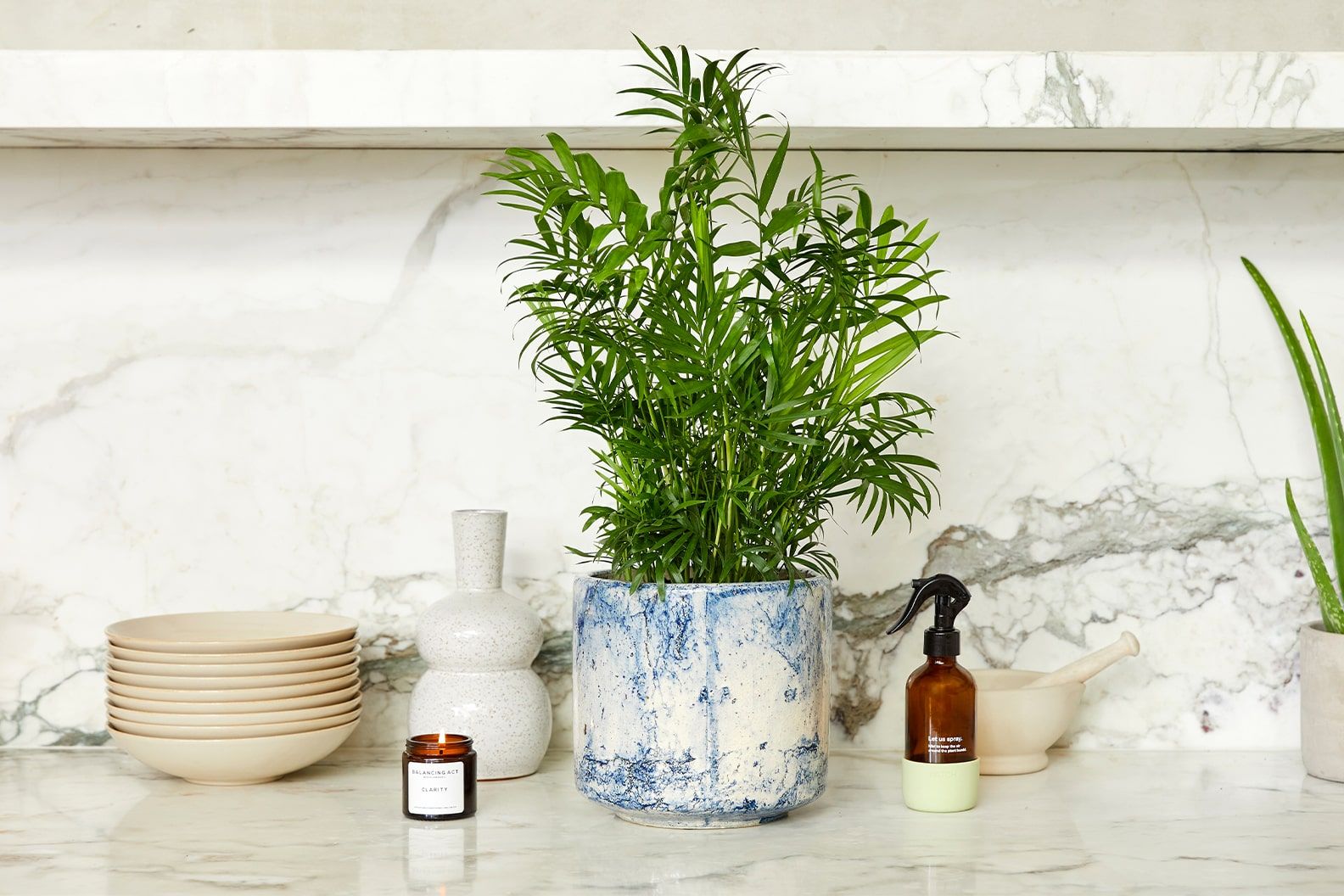
When should I repot my parlour palm?
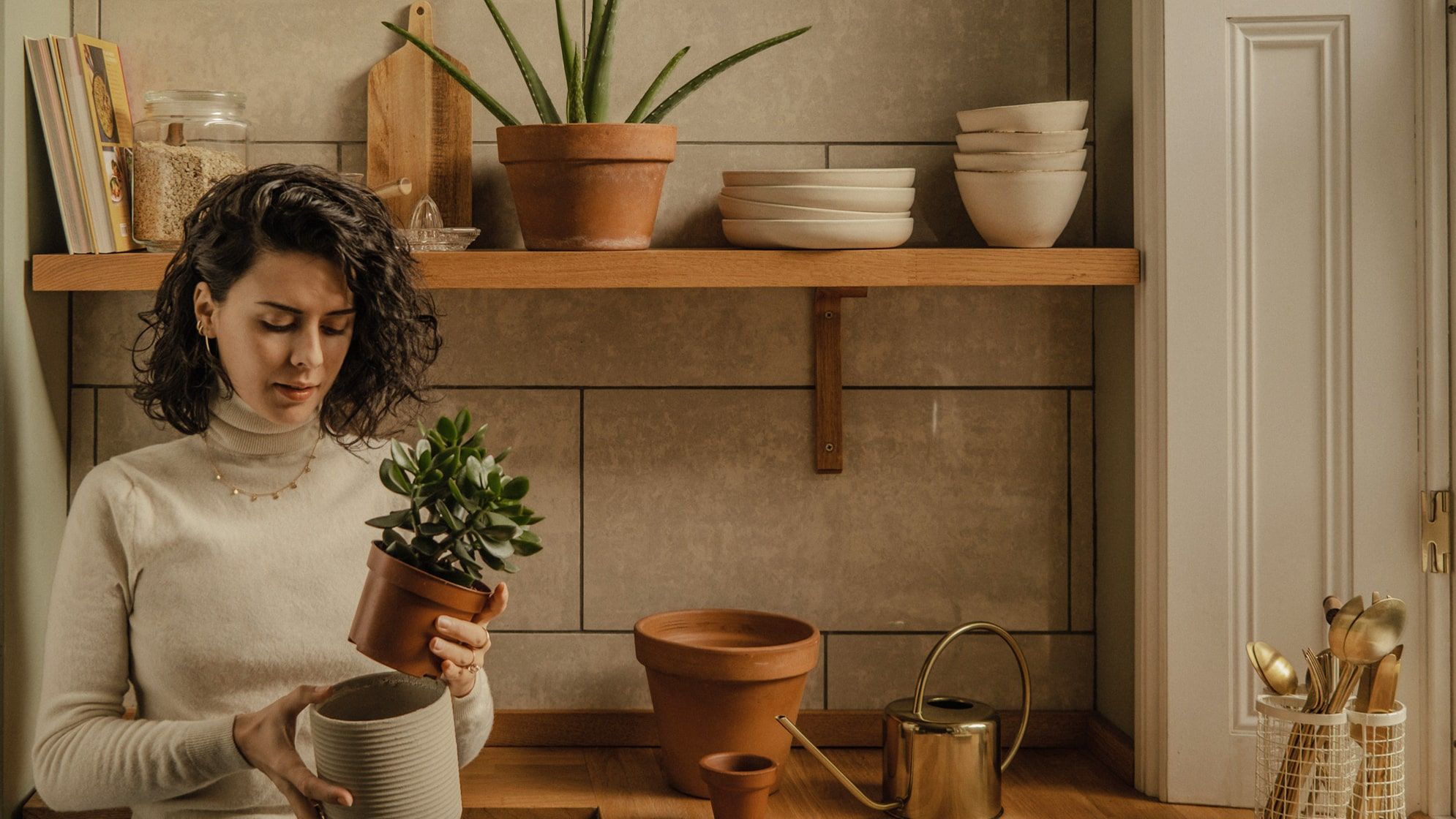
Repot your parlour palm every two to three years. Choose a pot that is one size larger than the current pot, and use a well-draining potting mix.
Can I propagate my parlour palm?
Parlour palms can be propagated by division. Carefully remove the plant from the pot, and gently separate the root ball into two or more sections. Replant the divisions in individual pots, and keep them in warm, bright conditions until new growth appears. You can learn more about propagation here.
Plant tips. Special offers. No spam.