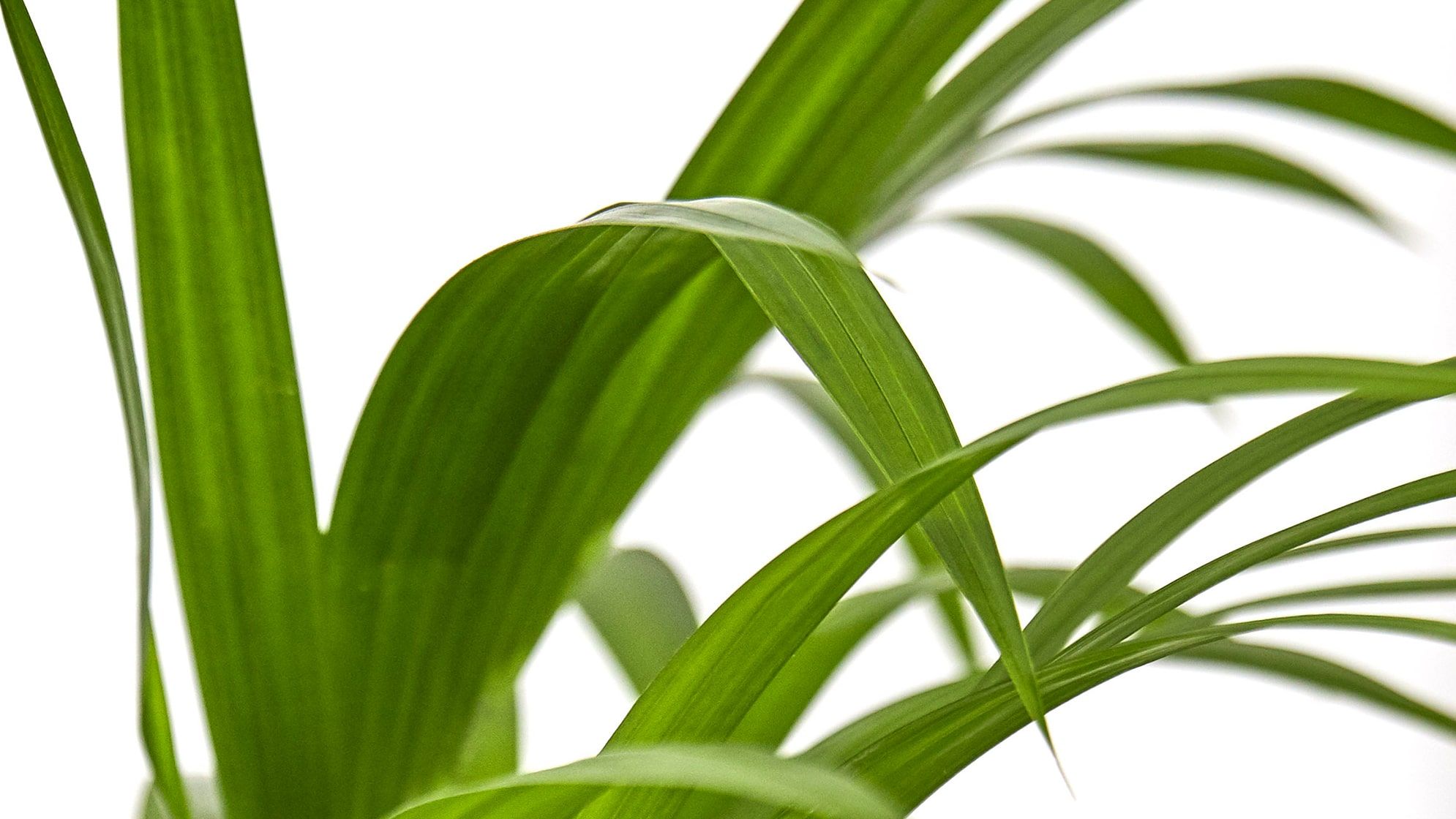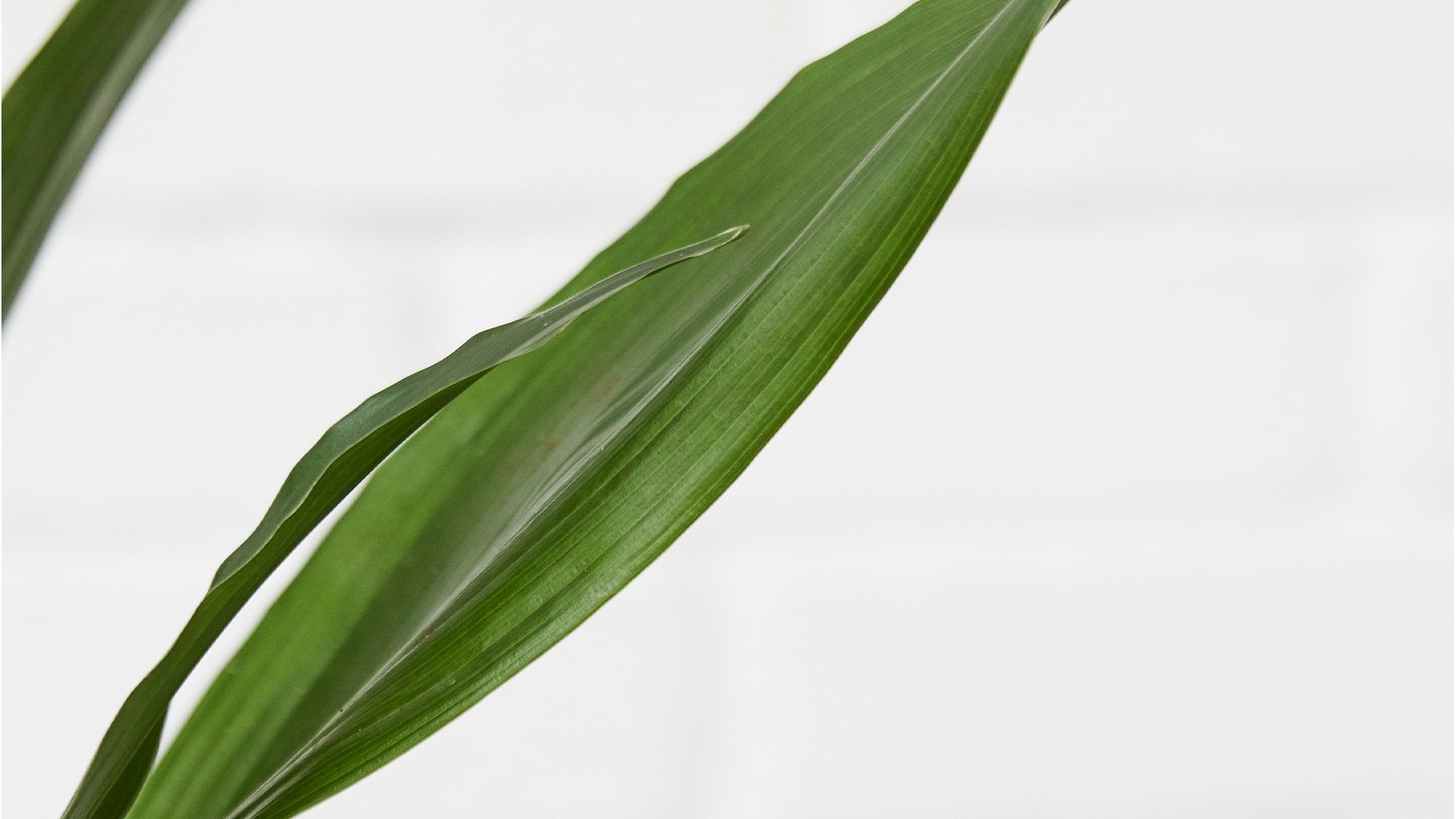
The aspidistra, also known as the Cast Iron Plant, is an easy-care houseplant that is known for its durability and tolerance for low light. With proper care, this plant can live for years, making it a great choice for those who want a low-maintenance plant. Here's how you can keep yours in tip top condition:
About aspidistra
Aspidistra have built up that tolerance for poor conditions by growing in the shade under larger trees in China and Vietnam. Their resilience has made them an extremely popular houseplant, because anybody can care for one. The aspidistra was massively popular in Victorian times, because it easily tolerated the poor light and air quality of 19th century homes. We call ours Howard.
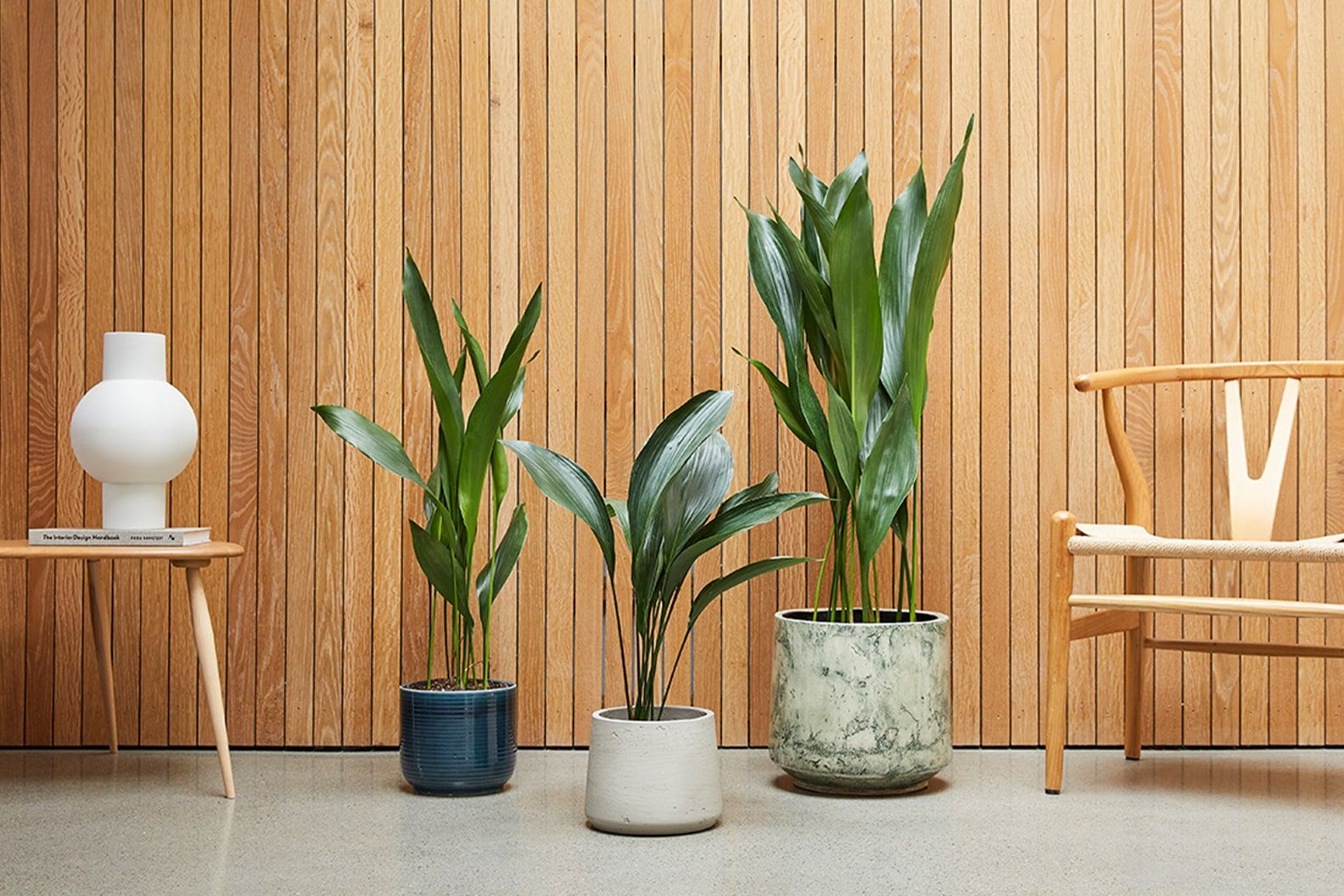
How much light does my aspidistra need?
The aspidistra is a low-light plant, so it can thrive in areas of the home that don't receive a lot of natural sunlight. However, it's important to remember that too little light can cause the leaves to become pale and the plant to become stunted. Too much direct sunlight could burn your plants leaves. If possible, place your aspidistra in an area that receives bright, indirect sunlight.
How often should I water my aspidistra?
Aspidistra is a drought-tolerant plant, so it doesn't need to be watered very often. During the growing season (spring and summer), you can water your aspidistra every 1-2 weeks, allowing the soil to dry out between waterings. During the winter, water your aspidistra only when the soil feels completely dry.
What type of soil is best for my aspidistra?
Aspidistra prefer a well-draining soil that's slightly acidic. A good potting mix for aspidistra is one part peat moss, one part perlite, and one part compost.
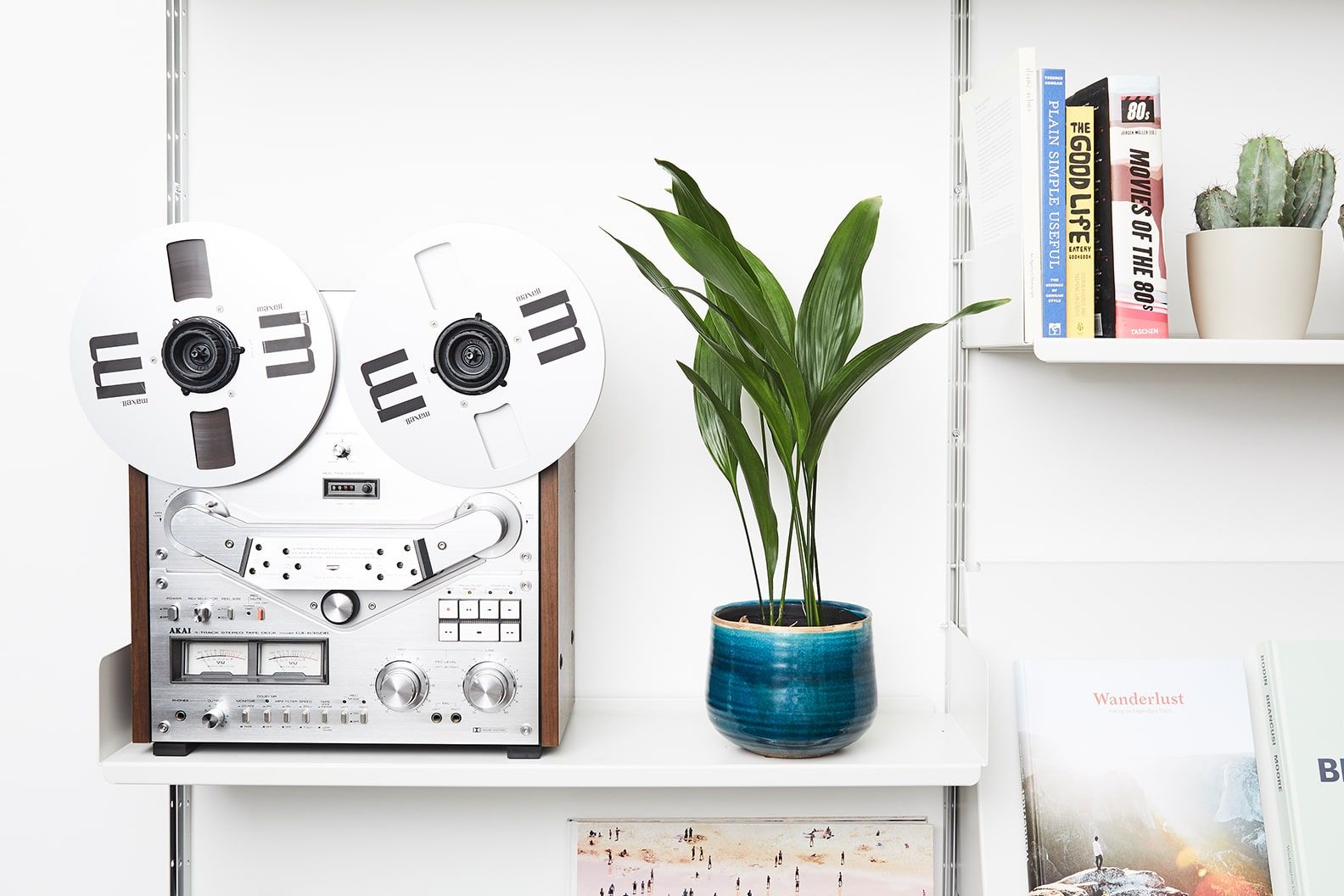
Should I fertilise my aspidistra?
Aspidistra don't need to be fertilised often, but a balanced fertiliser can be applied once or twice a year in the spring and summer. Make sure to dilute the fertiliser to half the recommended strength.
What's the best temperature and humidity for my aspidistra?
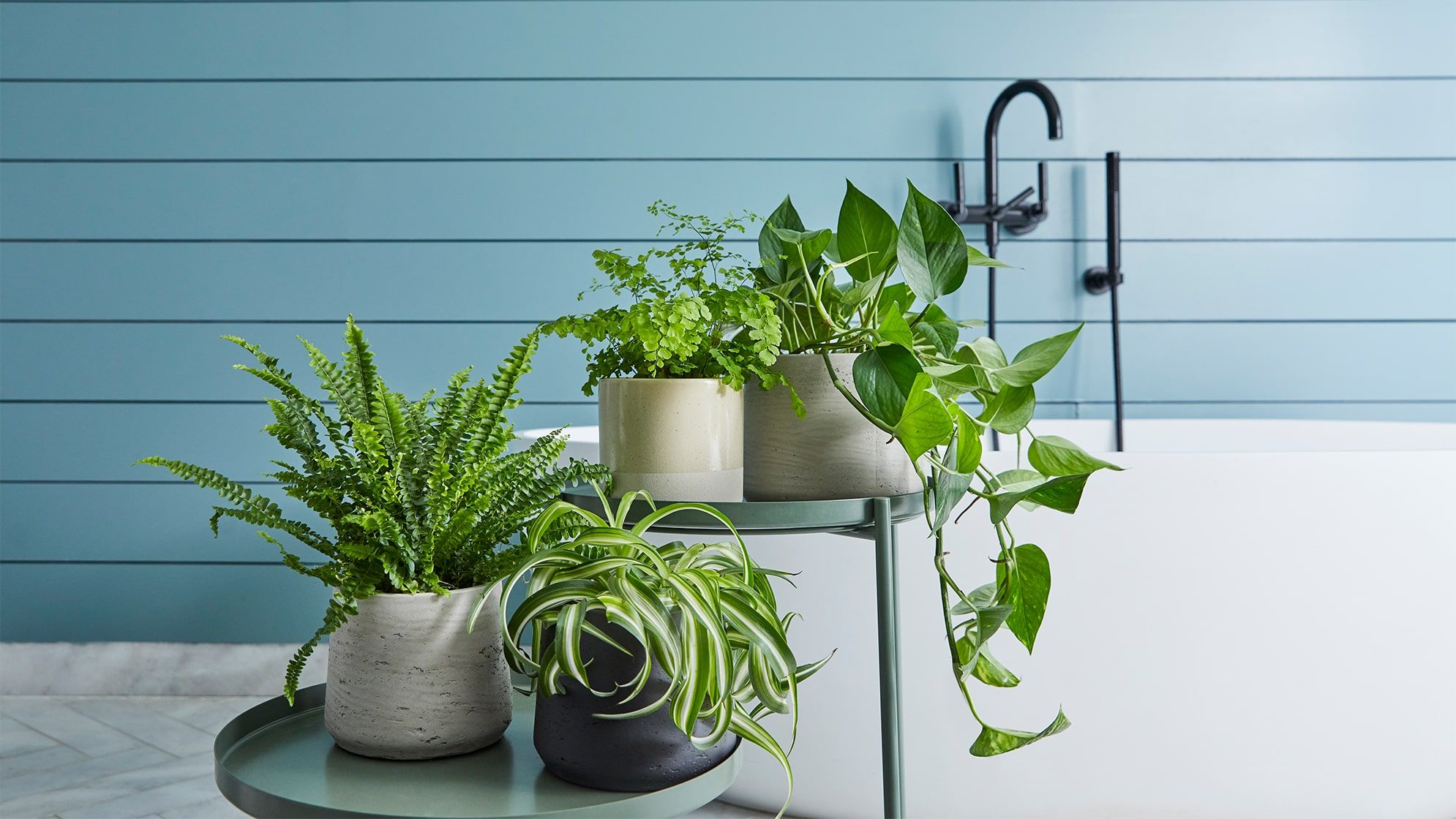
Aspidistra prefers temperatures between 18°C and 24°C and average humidity levels. If the humidity is too low, you can increase it by misting the leaves or putting your aspidistra in a naturally humid room, like a bathroom or kitchen.
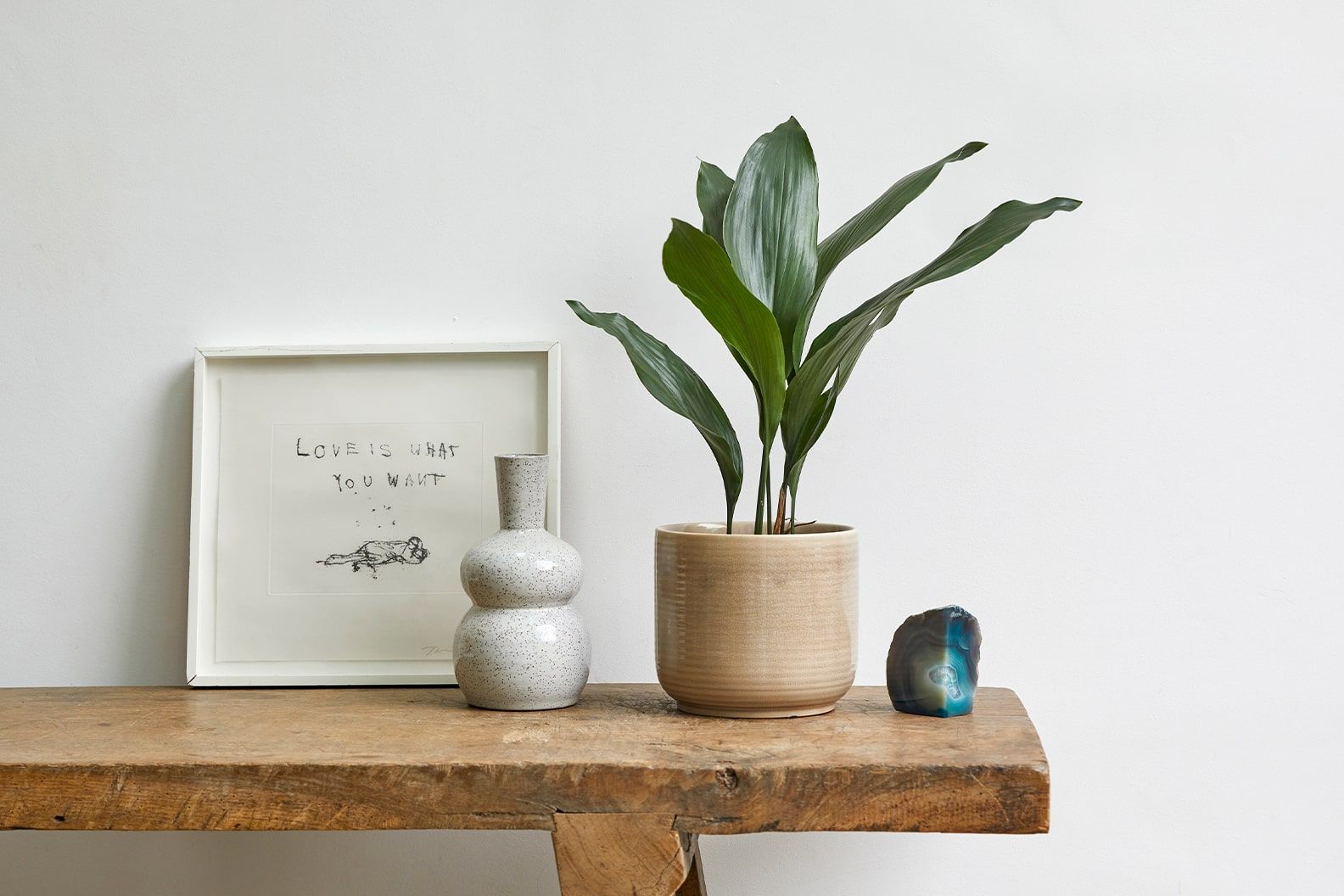
Do I need to prune my aspidistra?
An aspidistra does not need to be pruned often, but it can be beneficial to remove any dead or damaged leaves. This will help your plant put its energy into growing new leaves.
Aspidistra are tough and easy-care houseplants that can thrive with minimal care. With the right light, water, soil, and temperature, your aspidistra will be a beautiful addition to your home for many years to come.
Plant tips. Special offers. No spam.