[Aglaonema]( https://www.patchplants.com/collections/plants-indoor-aglaonema/) plants, also known as Chinese evergreens, are some of the most popular houseplants around. They’re easy to care for, and they come in a variety of attractive colours and patterns. With proper care, they can last for many years, adding beauty and life to any room. There are some easy ways to keep them happy:
About aglaonemas
The Chinese evergreen comes from South-East Asia, where you’ll find it modestly basking in the dappled light under large tropical trees. It spreads freely and can often be found covering large areas of ground.
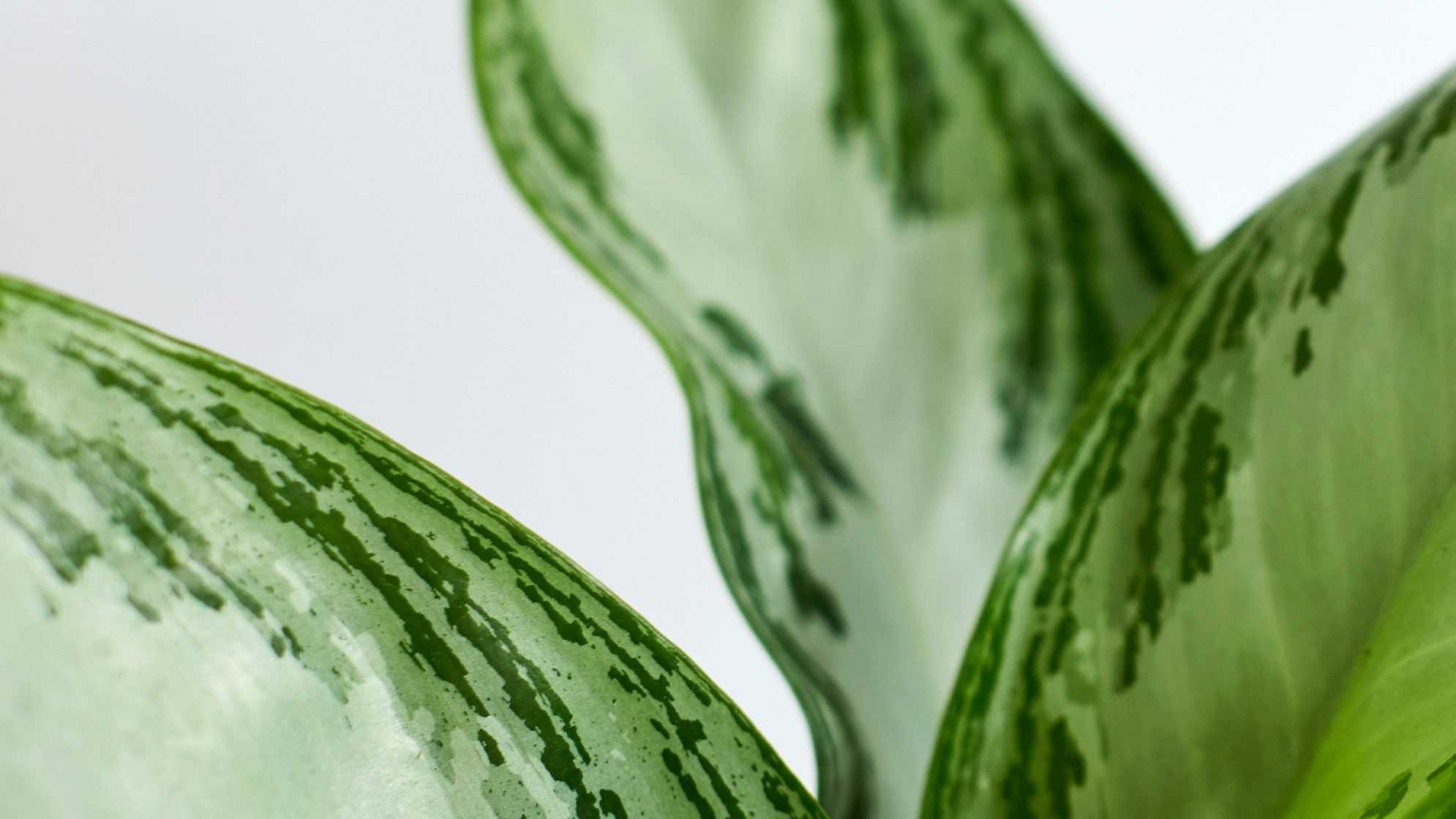
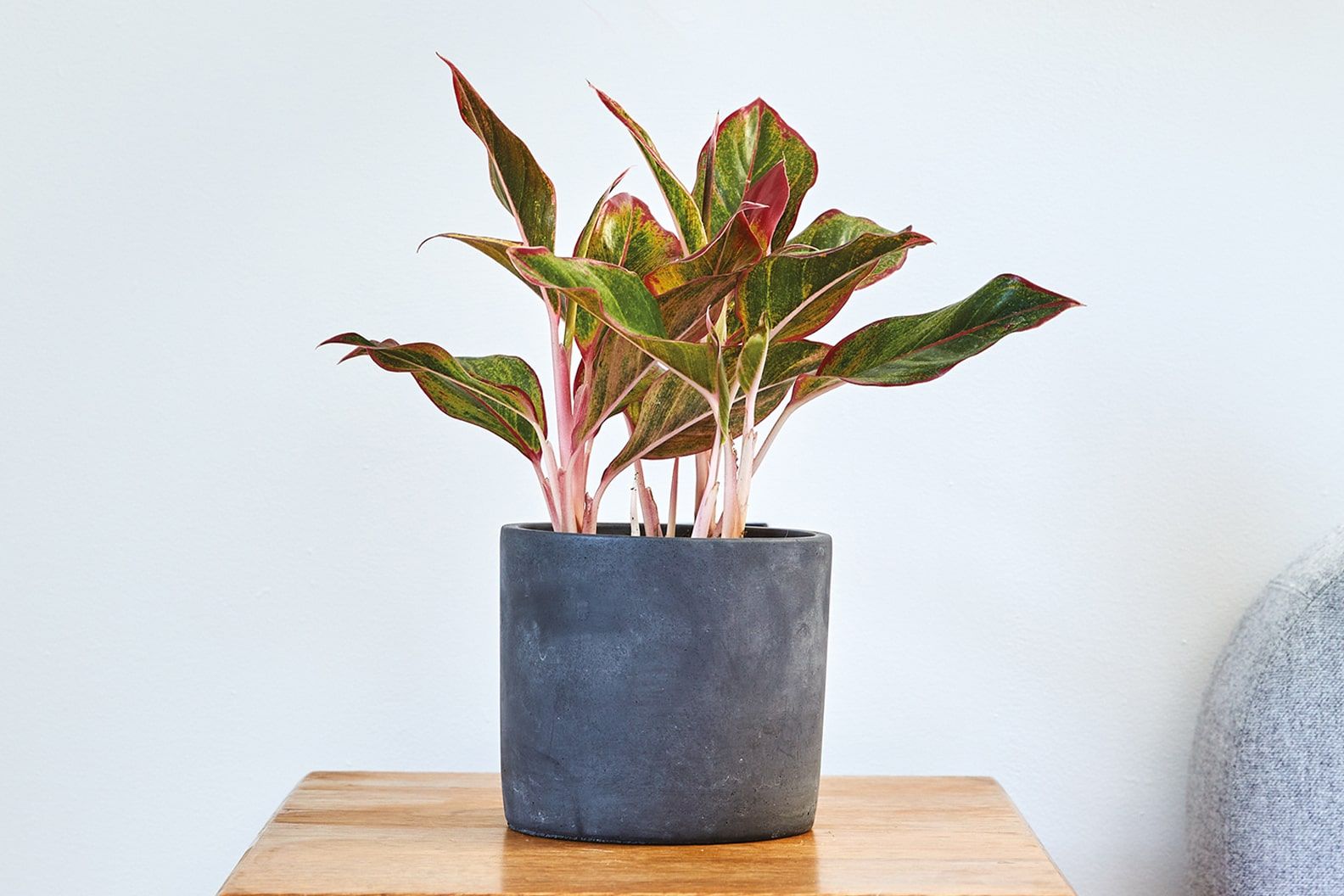
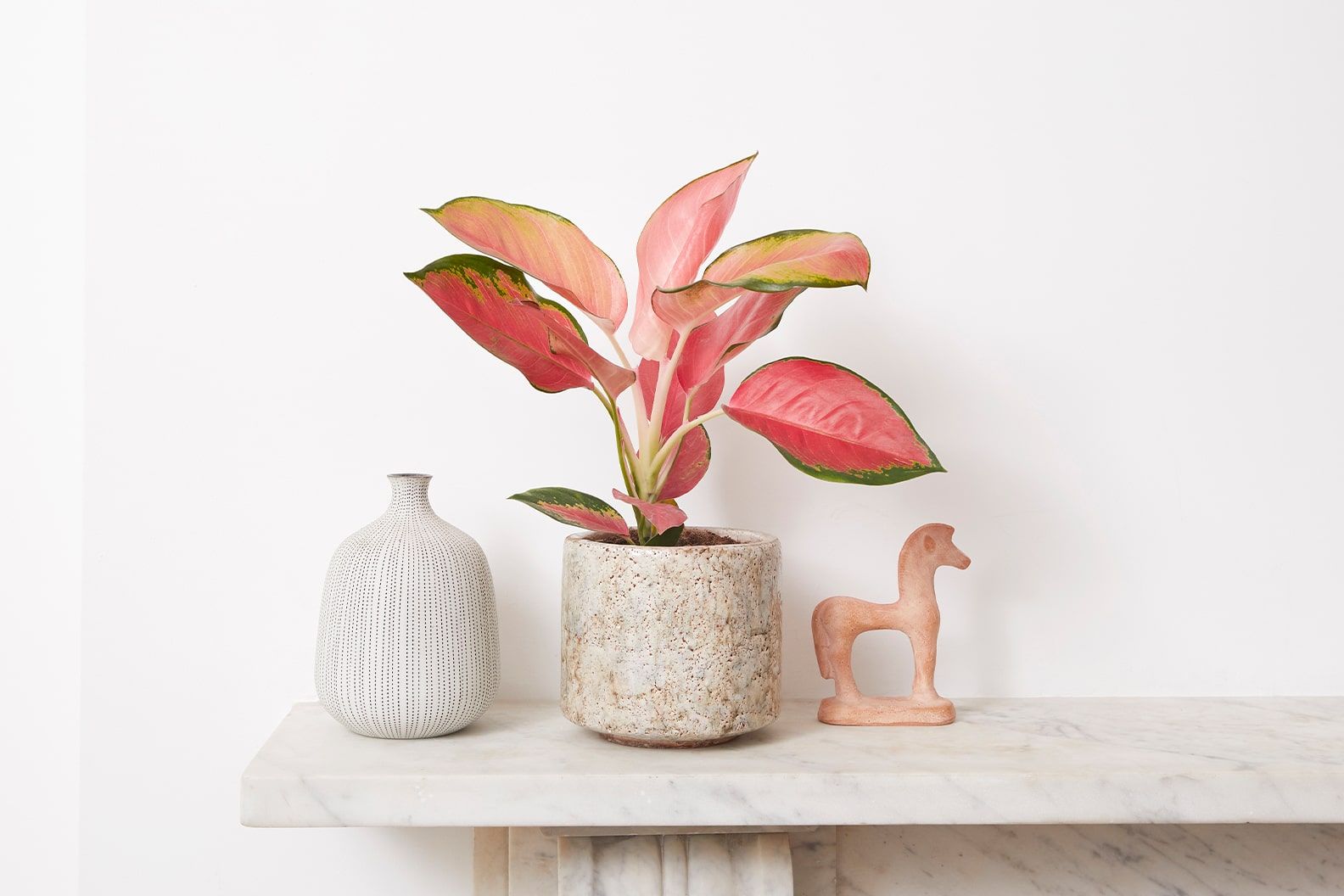
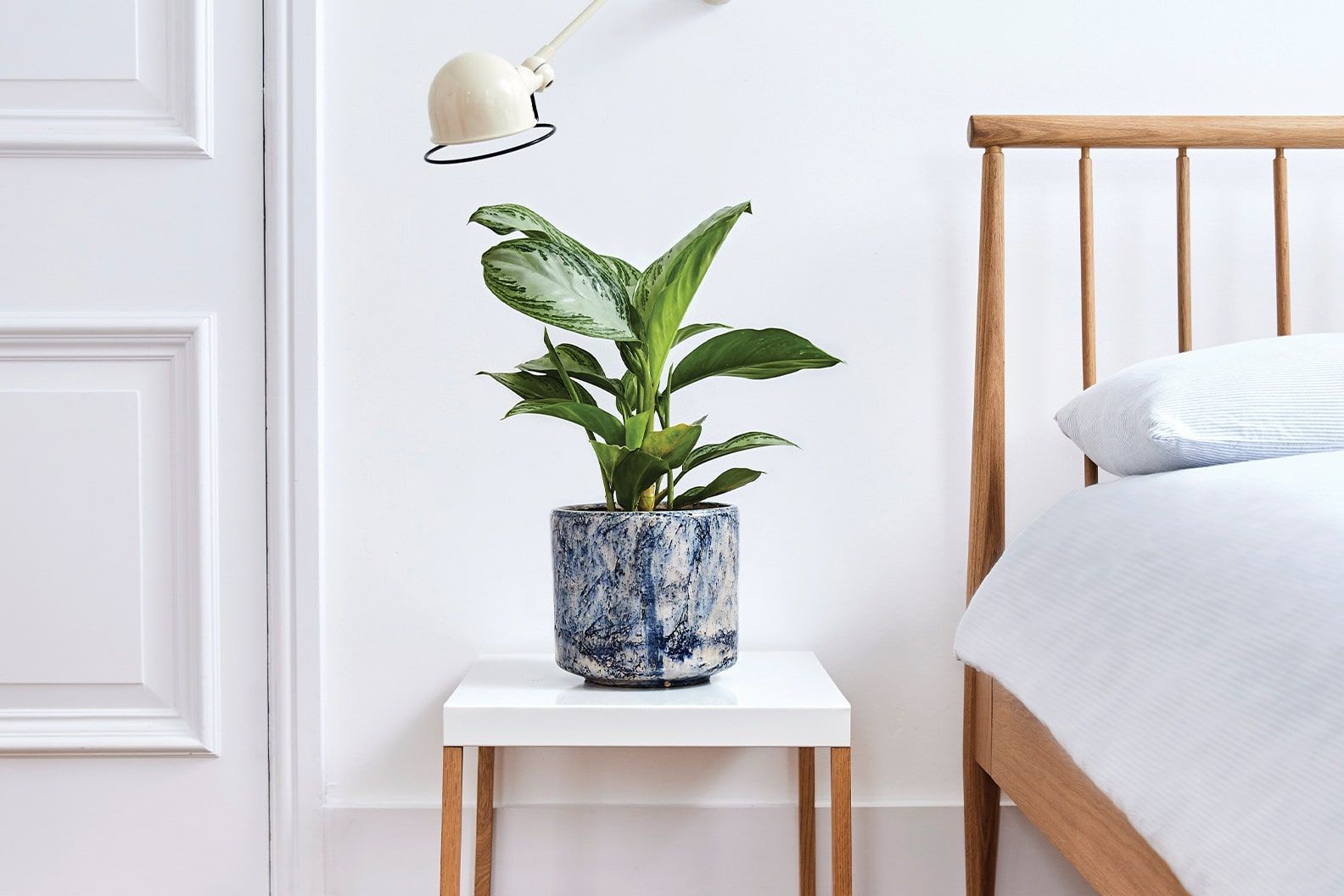
The name aglaonema is derived from the Greek ‘Aglos’, meaning bright, and ‘nema’, meaning thread, because of those variegated patterns on the leaves. There are a huge number of different varieties with colours ranging from silver and grey to red and orange. Our aglaonema family includes Clancy the aglaonema red star, Aggie the red aglaonema and Anna the aglaonema 'silver bay'.
How much light does my aglaonema need?
Aglaonema plants prefer bright, indirect light, such as that found near a north or east-facing window. Avoid direct sunlight, as this can scorch the leaves. If your aglaonema is not getting enough light, its leaves may turn pale or yellow, but generally they'll be perfectly happy in most light conditions.
How often should I water my aglaonema?
Aglaonemas should be watered when the soil is dry to the touch. Water thoroughly, until water runs out of the drainage hole in the bottom of the pot. Allow the top inch or two of soil to dry out before watering again. Overwatering can cause root rot, so it’s better to underwater than to overwater.
What's the best temperature for my aglaonema?
Aglaonemas prefer warm temperatures, between 18 and 26°C. Try to avoid exposing them to cold draughts or extreme temperatures.
What's the best soil for my aglaonema?
Aglaonemas should be planted in a potting soil that's well-draining. A mixture of peat moss, vermiculite, and perlite is ideal.
Should I fertilise my aglaonema?
Aglaonemas should be fertilised every two to four weeks during the growing season (spring and summer). Use a balanced liquid fertiliser diluted to half-strength.
Do I need to prune my aglaonema?
Aglaonemas can be pruned to maintain their shape or to promote new growth. Prune back any leggy or overgrown stems to keep the plant looking neat and tidy.
Common aglaonema pests
Aglaonemas are relatively resistant to pests, but they can be susceptible to mealybugs and spider mites. Check your plant regularly for signs of infestation, like white cottony masses or webbing. Treat any infestations with an insecticidal soap.
When should I repot my aglaonema?
Aglaonemas should be re-potted every two to three years, or when the roots become pot-bound. If the roots are poking through the top of the soil or the holes in the bottom of the nursery pot, or are tightly packed, it's probably time to repot. Use a pot that is one size larger than the current pot, and choose a well-draining potting mix.
With proper care, your aglaonema will thrive and bring beauty to your home for many years to come.
Plant tips. Special offers. No spam.