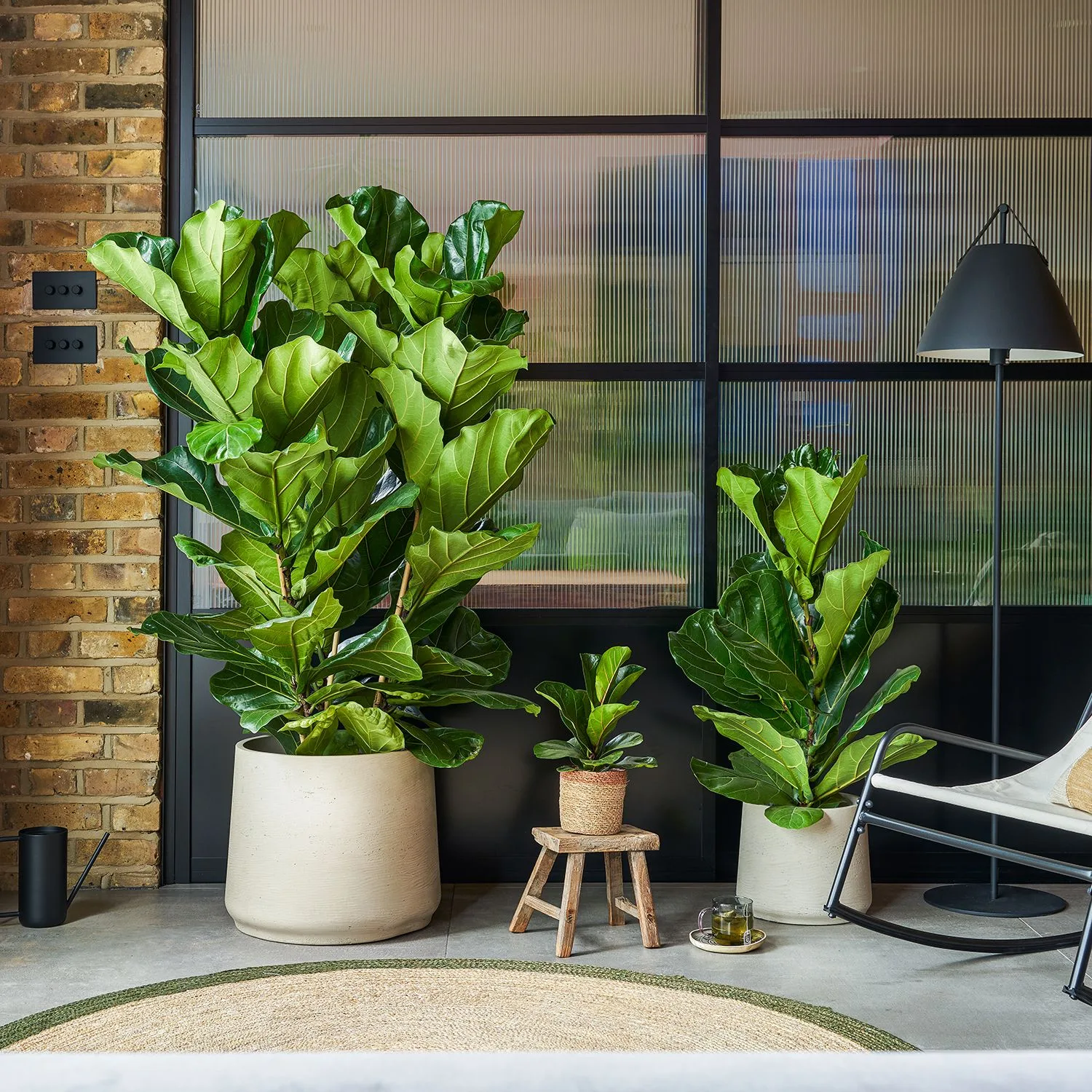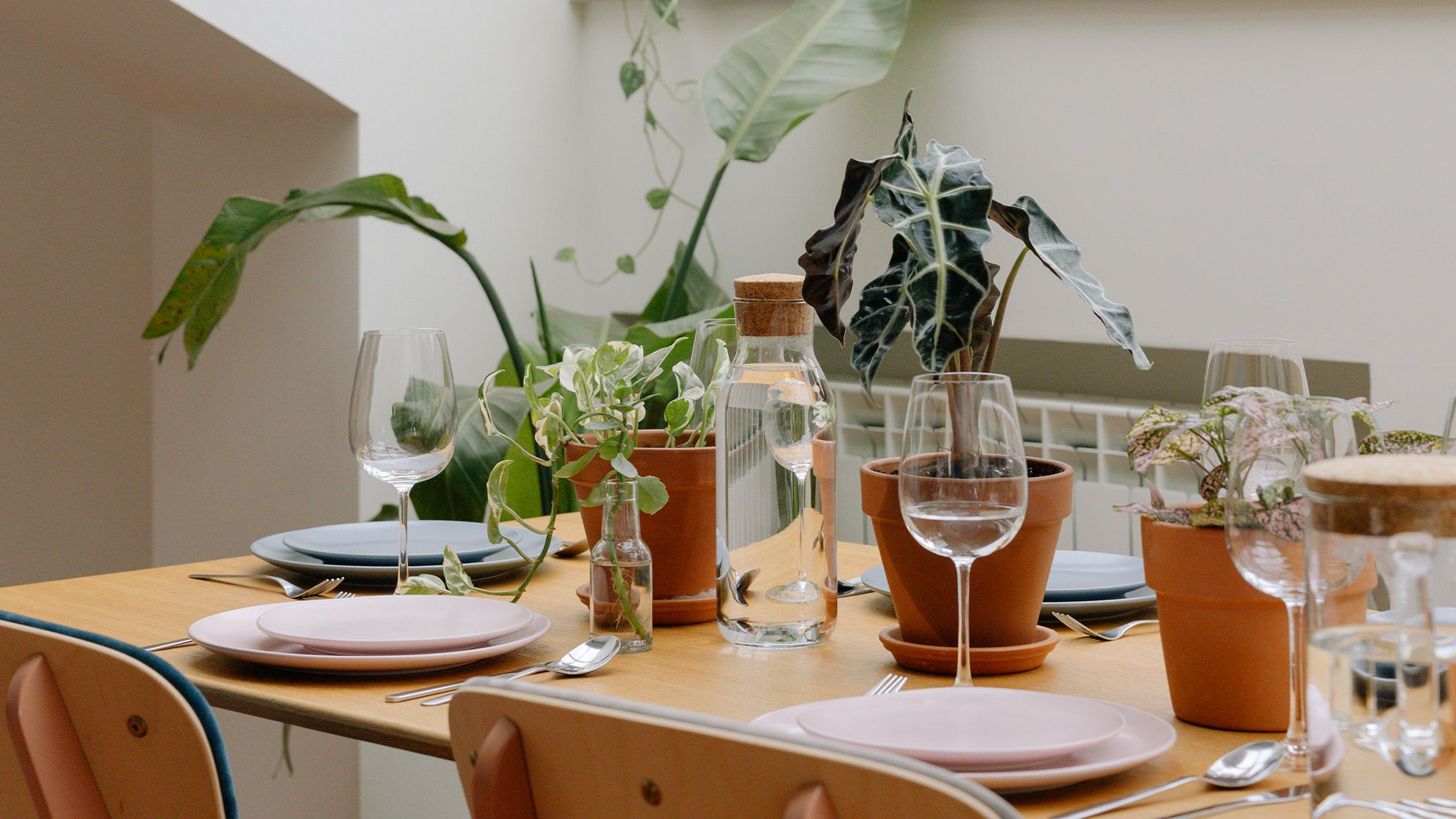
To mark the month, we’ve teamed up with our friends at Mindful Chef to show you how healthy eating and caring for plants go hand in hand for looking after your mental health.
Studies have shown that having a number of plants in your environment will result in a 60% improvement to your mental wellbeing, which alongside healthy eating habits, can help our brains process emotions, slow down, and feel better.
Here’s some ways eating a healthy diet and looking after plants can improve and maintain good mental health:
1. Eat well, live well
It’s no secret that maintaining a balanced diet, eating plenty of fruits, vegetables and slow-release carbs is a great starting point for giving your mental health some TLC. It sounds simple, but eating these foods is proven to boost your mood and improve cognitive function.
Plants demonstrate this point marvellously. If they don’t get enough sunlight or water, or they’re not planted in the right soil or given the right nutrients, they’re going to look pretty sad. Looking after plants can be a great reminder to consider what you need to thrive too.


3. Hydration, hydration, hydration
Humans and plants both need water to survive, that’s what connects most living things on planet Earth. Drinking plenty of water can help clear brain fog, fatigue, and improve your focus. Our brains are comprised of 85% water, so it’s especially important to drink plenty. Trying some different ways to get your water fix can encourage you to drink more. Try adding some homegrown lemon slices to hot water as an alternative to your usual coffee or tea. They’re a fantastic source of vitamin C and full of antioxidants.


5. Feed your brain (and your gut)
Hundreds of species of ‘healthy bacteria’ live in your stomach which help regulate the way our brain processes moods and feelings. They need a varied diet in order to work their magic. Make sure you’re eating a diverse range of gut-friendly food such as legumes, whole grains, fermented foods like yogurt and kimchi, and even homegrown citrus fruits.
When it comes to plants, green is a colour our brain finds naturally soothing. Try introducing a few staple plants into your space to create an environment of relaxation and calm your brain will thank you for.

6. Bring the great outdoors, indoors
It’s not just eating plenty of leafy greens and plants that benefits your mental health. Keeping plants at home, edible or not, helps connect us to nature and anchors your space to the calming presence of living things.
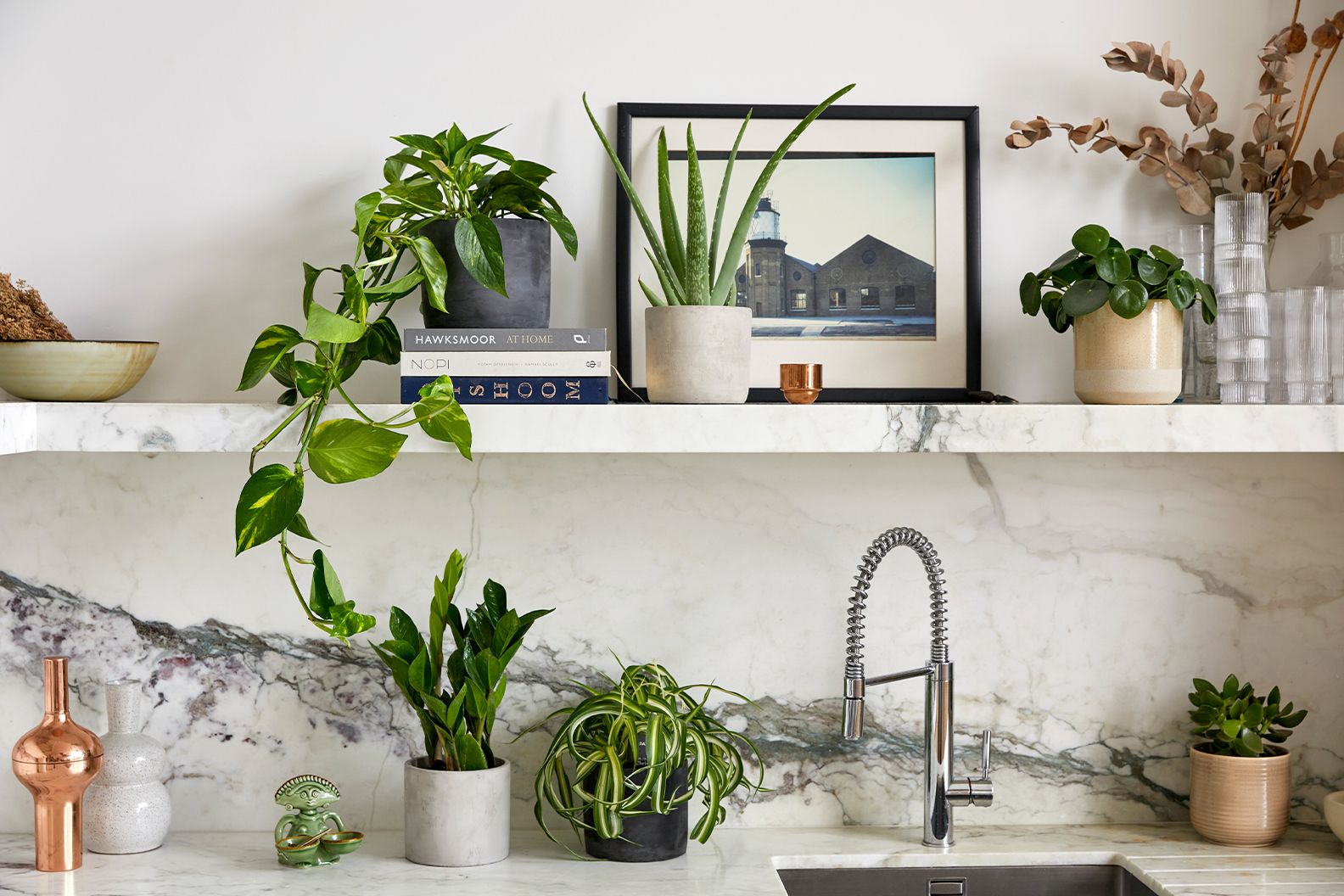
Nature can be hard to come by if you live in urban areas, so houseplants are a great way to bring the great outdoors indoors. Try an easy-care kitchen set to create a space you’re going to want to cook and spend more time in.
7. Practice daily self-care
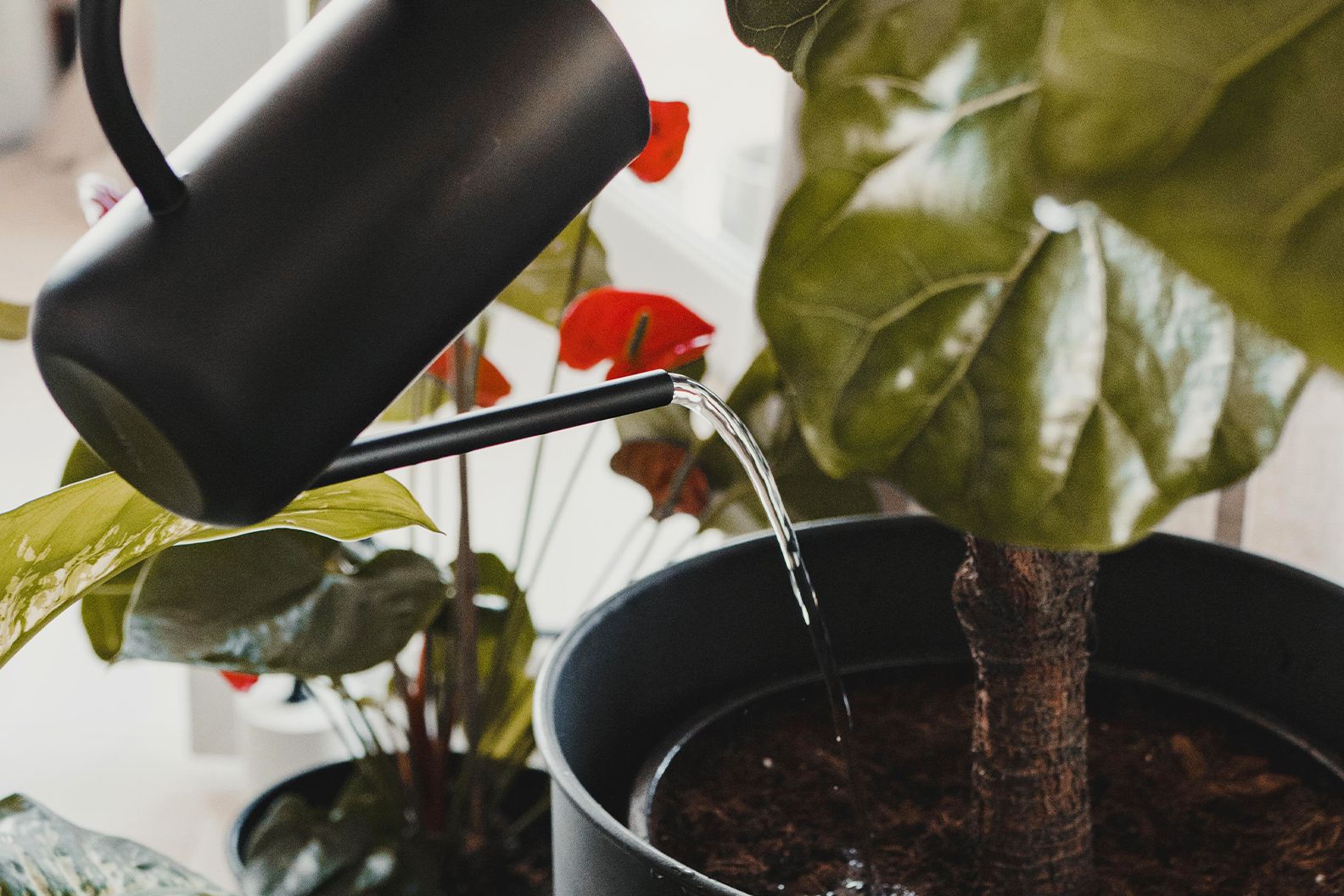
In these busy times we’re all looking for ways to soothe our frazzled brains. Cooking for yourself is an enormously rewarding way to practice self-care. It’s not just the food that you’re eating, it’s taking the time out of your day to focus on turning ingredients into something delicious. Caring for plants is another great way to practise daily self-care. Their needs are simple, and they’ll thrive if given the right amount of water, food, sunlight, and care (much like us humans). Cleaning, snipping, or watering plants gives your mind a chance to focus, unwind, and connect with nature.
Yet to try healthy eating made easy? Use the exclusive code PATCH at mindfulchef.com for 25% off your first 4 recipe boxes. Mindful Chef healthy recipe boxes provide you with the tools to cook delicious nutritious meals, in under 30 minutes. Each box contains recipe instructions, pre-portioned ingredients and fresh produce sourced from award-winning British farms.
Plant tips. Special offers. No spam.