The giant white bird of paradise brings instant jungle drama to a bright room, sending up big, glossy, banana-like leaves on tall stems. It’s more forgiving than it looks: get the light right, water when the soil dries, and it’ll keep reaching for the ceiling.
About Strelitzia nicolai
Native to the coastal forests of South Africa, Strelitzia nicolai can reach several metres tall in the wild. Indoors it makes a fast-growing, upright floor plant with large, paddle-shaped leaves. It rarely flowers as a houseplant, so it’s grown for its bold foliage — think of it as a living sculpture for a bright corner.
How much light does my strelitzia need?
As much bright light as you can give it. A spot right by a bright, sunny window is ideal — it will happily take a few hours of direct sun. In low light it grows slowly, gets leggy and won’t produce those big leaves, so bright is best.
How often should I water my strelitzia?
Water when the top few centimetres of soil feel dry, soaking it thoroughly and letting it drain completely — usually about weekly in summer and much less in winter. It likes to dry out a little between drinks; constantly wet soil leads to root rot and yellowing leaves.
Why are my strelitzia’s leaves splitting?
They’re meant to. In its windy coastal home the leaves split along the veins to let gusts pass through without tearing the whole leaf. Indoor splits are completely normal and nothing to worry about — not a sign of a problem.
What's the best temperature for my strelitzia?
Warm rooms between 18 and 24°C suit it best. It appreciates a little humidity, and dislikes the cold — keep it above about 12°C and away from draughts and unheated rooms in winter.
Does my strelitzia need any extra love?
Feed monthly with a liquid houseplant food from spring to late summer to support its fast growth. Wipe the big leaves now and then so they can soak up light, and turn the pot occasionally so it grows evenly rather than leaning towards the window.
When should I repot my strelitzia?
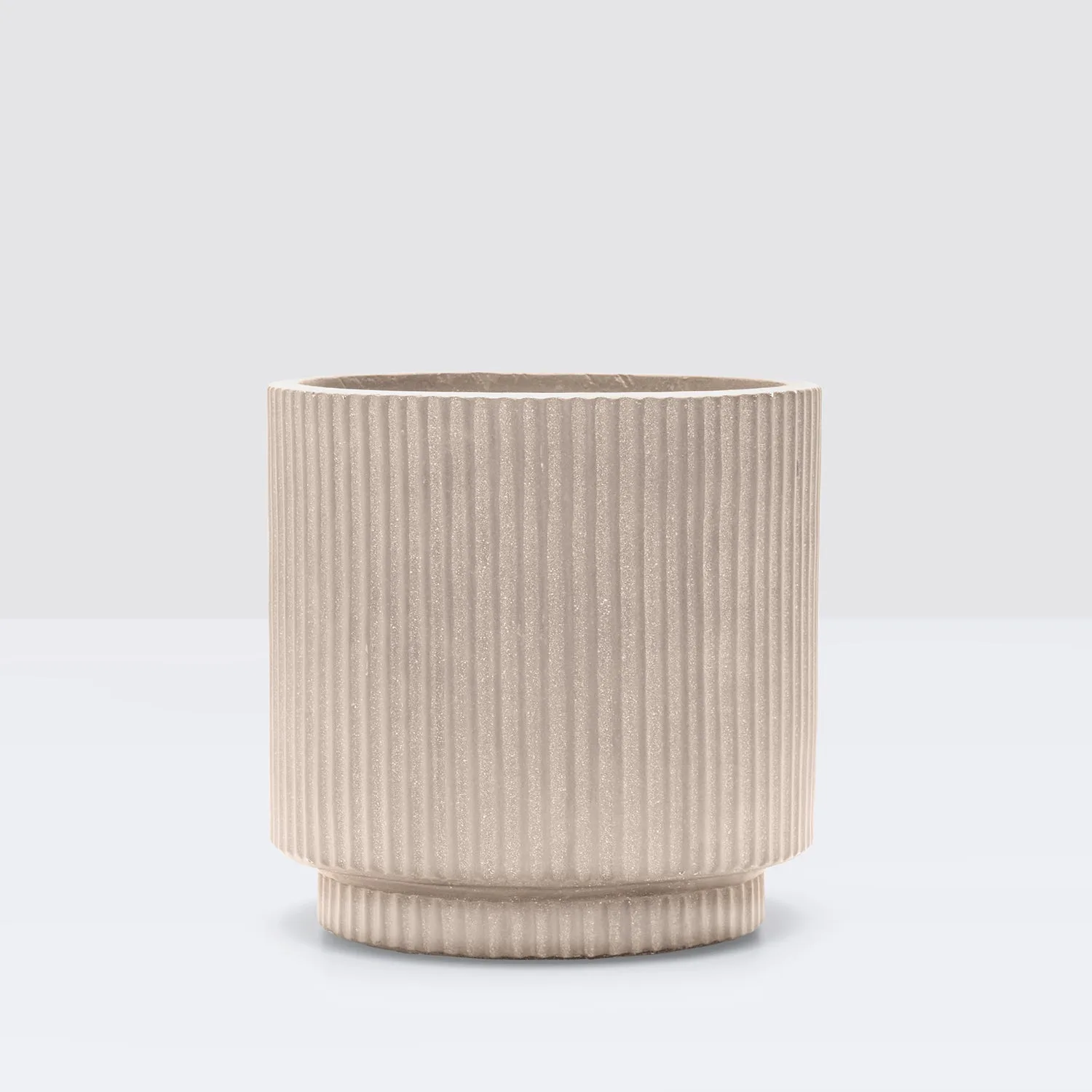
As a vigorous grower it’ll need moving up every year or two, into a sturdy pot one size larger in spring. A heavy pot helps balance the tall leaves, and a good peat-free mix with some added drainage keeps the roots healthy.